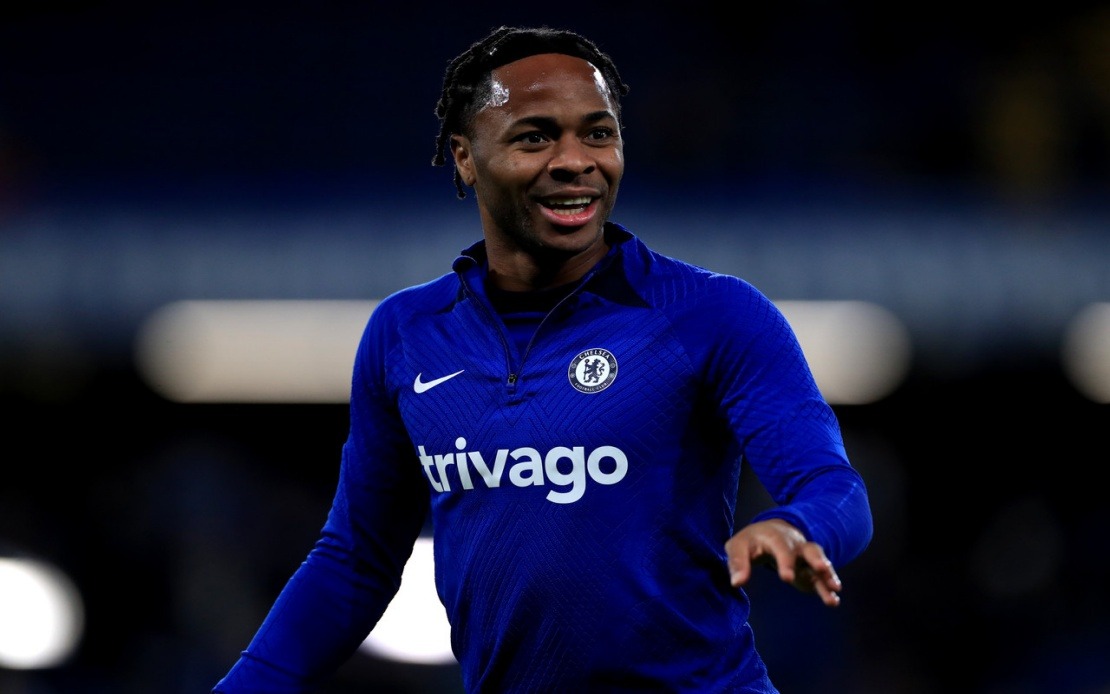
Raheem Sterling, the accomplished former England international, has been charged with dangerous driving and possession of nitrous oxide in connection with a motorway crash, police in Hampshire announced on August 26. The charges stem from a single-vehicle collision involving a Lamborghini that occurred on the M3 southbound near Minley interchange on May 28. The 31-year-old from Berkshire now faces three separate charges: dangerous driving, possession of nitrous oxide for wrongful inhalation, and failing to provide a specimen. Hampshire and Isle of Wight Constabulary confirmed that no other vehicles were involved in the incident and that no injuries were sustained.
Sterling is expected to make an appearance at Basingstoke Magistrates' Court on September 15 for a hearing related to the charges. The development marks a significant moment in the personal and public life of one of England's most prominent footballers in recent years. Throughout his career, Sterling has maintained a high profile both on and off the pitch, particularly through his advocacy work addressing racism and discrimination in sport.
During his international career, Sterling earned 82 caps for England and scored 20 goals, becoming an integral part of the national team's efforts to reach major tournament finals. He was part of Gareth Southgate's squad that reached the semifinals of the 2018 World Cup in Russia and subsequently guided England to the final of Euro 2020, the tournament held in 2021. His performances during these campaigns established him as one of the nation's premier attacking talents and a key player in the team's resurgence under Southgate's management.
Sterling's football journey began at the academy level with Queens Park Rangers, where he developed his early skills before progressing to senior football. He subsequently transferred to Liverpool, where he established himself as a professional player and gained valuable Premier League experience. This period proved formative in shaping his development as a top-level footballer, providing him with the platform to showcase his abilities at one of England's most prestigious clubs.
His most successful years came after joining Manchester City in 2015, where he spent nearly a decade establishing himself as one of the Premier League's most consistent performers. During his time at City, Sterling won four Premier League titles, demonstrating his ability to contribute to sustained success at the highest level of English football. He also claimed five League Cups and the FA Cup in 2019, adding to an impressive trophy collection that reflected his importance to the club's attacking setup and tactical flexibility.
In 2022, Sterling departed Manchester City to join Chelsea in a high-profile transfer move, but his time at Stamford Bridge proved less successful than anticipated. Facing limited opportunities and falling out of favour with the coaching staff, his stint in west London became uncomfortable. This led to a loan arrangement for the 2024-25 season with Arsenal, where he sought regular playing time and a chance to reignite his career. Following his departure from Chelsea, Sterling signed a short-term deal with Dutch club Feyenoord, continuing his search for consistent football at the highest level.
Beyond his achievements on the pitch, Sterling has earned recognition for his work promoting equality and combating discrimination in sport. In the 2021 Queen's Birthday Honours, he received an MBE in recognition of his services to racial equality in sport. This honour acknowledged his sustained efforts in fronting anti-racism campaigns and using his platform to speak out against racism, both within football and in broader society. His activism gained particular prominence during the Euro 2020 tournament, when he and fellow players faced scrutiny over the decision to take the knee before matches as a gesture of solidarity against racial intolerance.
The timing of Sterling's charges comes during a period of significant focus on professional athlete conduct and responsibility. For Malaysian and Southeast Asian sports enthusiasts who follow the English Premier League closely, Sterling's situation illustrates the complex intersection of sporting stardom, personal conduct, and legal accountability. The incident also reflects broader societal conversations about substance use and road safety that resonate across different sporting cultures and jurisdictions throughout the region.
The charges carry potential implications for Sterling's career trajectory and public standing, particularly given his established role as a voice for social justice causes in football. His legal situation may influence discussions about athlete responsibility and the expectations placed on high-profile sports figures who engage in advocacy work. The case will likely attract significant media attention in both Britain and internationally as it progresses through the legal system, with the September 15 hearing representing a critical juncture in determining the path forward for one of modern football's notable personalities.

