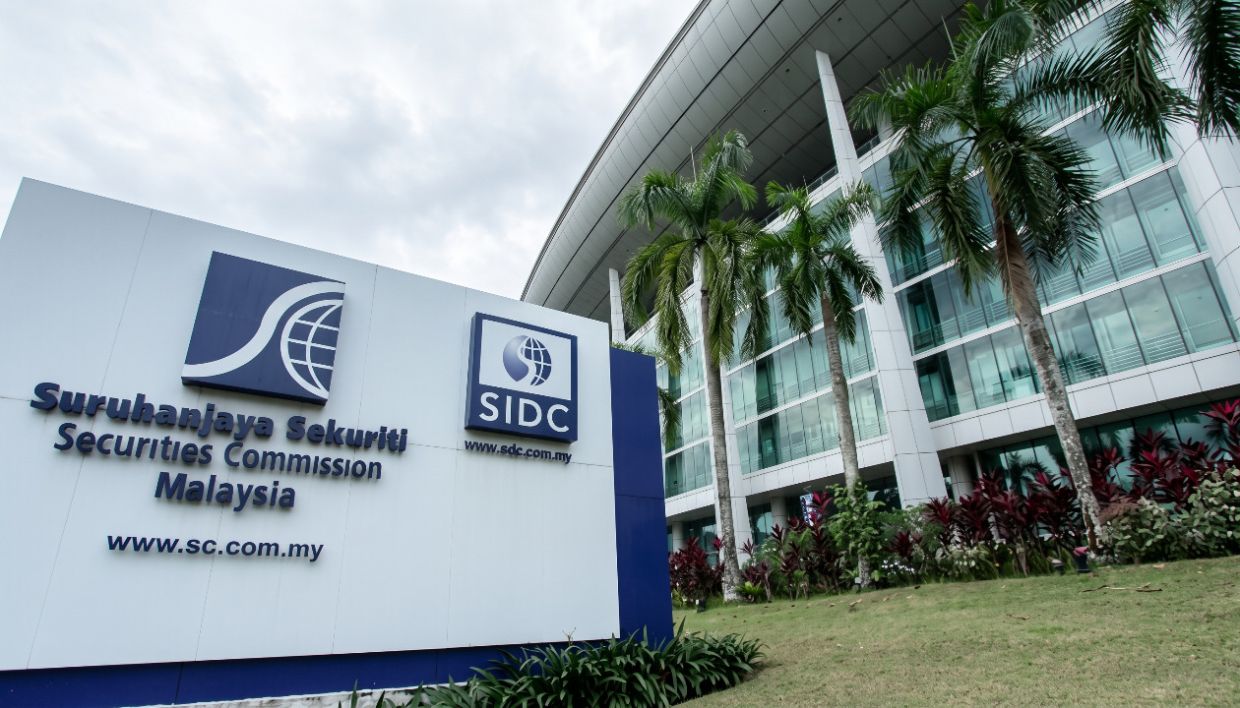
The Kuala Lumpur Sessions Court has delivered a significant blow to financial fraud, sentencing Muhamad Fadzli Jamaludin, former director of Kyaputen Sdn Bhd, to five years imprisonment for orchestrating an unlicensed fund management scheme that defrauded Malaysian investors. The conviction follows a comprehensive trial that exposed the systematic nature of the illegal operation, which spanned nearly two years and victimised at least six individuals across the Klang Valley and Melaka regions.
Fadzli faced a total of 12 charges stemming from his fraudulent activities. Three of these related directly to the Capital Markets and Services Act 2007, specifically for unlawfully presenting himself as a qualified fund manager without holding the mandatory licence from the Securities Commission Malaysia. The remaining nine charges invoked the Anti-Money Laundering, Terrorism Financing and Proceeds of Unlawful Activities Act, reflecting the prosecution's case that illegally obtained funds were subsequently laundered through various channels. This layering of charges underscores the serious nature of the offences, combining investment fraud with money laundering—a common pattern in sophisticated financial crimes across the region.
The investigation and prosecution required substantial resources and expert testimony. During the trial, the prosecution presented evidence from 23 witnesses, including the six investors who had collectively lost RM1.263 million to the scheme. These victims provided firsthand accounts of how they were persuaded to entrust their money to Fadzli, believing they were investing in legitimate fund management opportunities. The crimes occurred between August 2018 and April 2020, a period when awareness of unlicensed investment schemes remained relatively low among retail investors in Malaysia.
Fadzli's defence strategy proved ineffective in the courtroom. Rather than calling supporting witnesses or presenting documentary evidence, he chose to testify under oath himself—a high-risk strategy that ultimately backfired. Sessions Court Judge Puan Hamidah Mohamed Deril found that Fadzli's testimony failed to establish any reasonable doubt regarding the prosecution's case. His inability to convince the judge suggested that his explanations could not credibly counter the accumulated evidence of fraudulent conduct presented by the authorities.
The sentencing reflects the court's determination to impose meaningful punishment proportionate to the severity of the crimes. While the judge imposed five years imprisonment for each of the 12 charges, she ordered that all sentences be served concurrently rather than consecutively. This means Fadzli will serve five years total rather than a theoretically longer cumulative sentence. Under the Capital Markets and Services Act, offenders in such cases face a maximum penalty of ten years imprisonment or a fine up to RM10 million or both. The money laundering provisions carry even harsher potential sentences of up to 15 years, coupled with mandatory fines of at least five times the value of laundered proceeds or RM5 million, whichever is greater.
The case highlights the persistent vulnerability of Malaysian investors to unlicensed operators who exploit regulatory gaps and insufficient awareness of licensing requirements. Fadzli's operation succeeded because he was able to present himself convincingly as a legitimate fund manager to individuals unfamiliar with the regulatory framework. This represents a systemic challenge for financial regulators across Southeast Asia, where the proliferation of digital communication channels has made it easier for fraudsters to reach and persuade potential victims without geographic constraints.
From a regulatory perspective, the Securities Commission Malaysia has consistently emphasised that fund management constitutes a regulated activity in Malaysia, meaning anyone conducting such business without explicit licensing violates the law. The commission has issued repeated reminders to the public to verify the credentials of any individual or organisation before entrusting funds with them. Such warnings have become increasingly important as investment scams evolve in sophistication, with perpetrators often leveraging social media, messaging apps, and investment forums to build false credibility.
The conviction demonstrates that Malaysian law enforcement and judicial authorities possess the capacity and determination to pursue complex financial crime cases involving multiple victim types and transnational elements. The joint trial of both the licensing violations and money laundering offences allowed the court to see the full scope of Fadzli's criminal enterprise, understanding not merely how he unlawfully managed funds but also how he subsequently obscured their origins through laundering mechanisms. This comprehensive approach to prosecution strengthens the case against other potential offenders by establishing clear jurisprudence on how such cases should be handled.
For Malaysian investors and financial consumers, this verdict carries several practical implications. It confirms that regulatory licensing requirements exist to protect them and that authorities will enforce these rules. It also signals that victims of such schemes have recourse through the criminal justice system, though recovery of lost funds remains a separate and often more difficult civil process. The case serves as a cautionary tale about verifying credentials and conducting due diligence before committing substantial sums to any investment opportunity, particularly those promoted through informal networks or by individuals without established institutional affiliations.
Looking forward, the conviction may prompt the Securities Commission Malaysia to intensify public education campaigns targeting common investor demographics vulnerable to such schemes. Enhanced cooperation with financial institutions to identify suspicious fund flows linked to unlicensed operators could provide early warning systems for future cases. Additionally, the decision reinforces the need for continued professional development among judges handling financial crime cases, ensuring that technical complexities in fund management and money laundering do not obscure the fundamental illegality of such operations.

