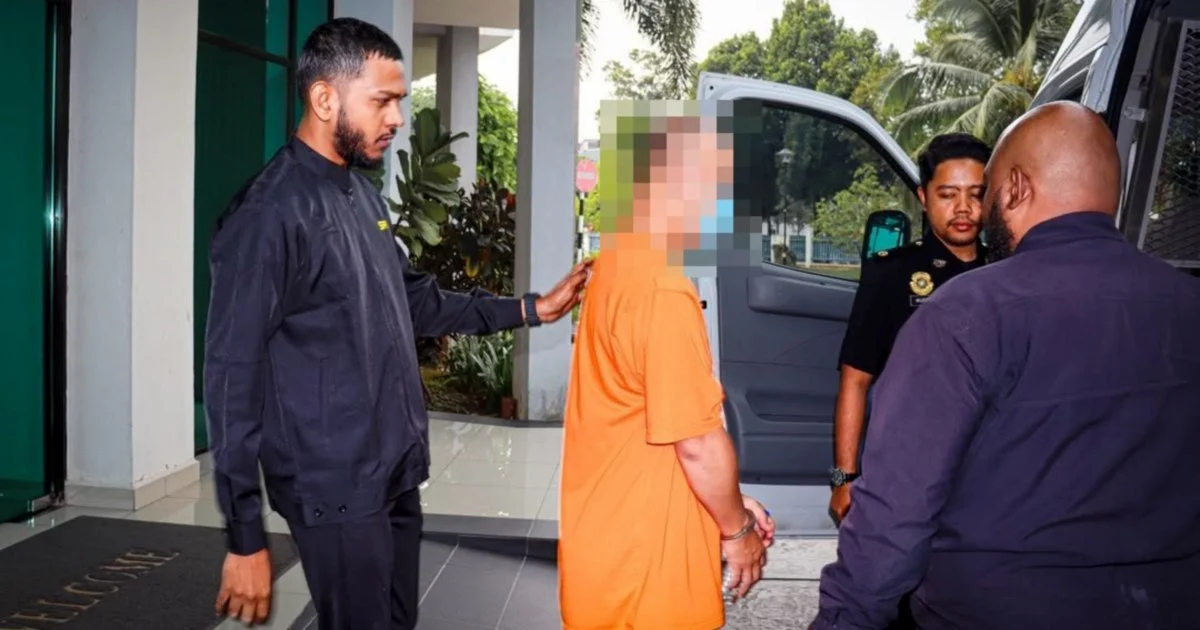
A former government official has been remanded in custody following allegations that he systematically fabricated documents to unlawfully claim nearly RM300,000 in financial assistance through official state schemes. The arrest marks another case involving alleged misuse of public welfare mechanisms and raises fresh questions about the adequacy of verification procedures within Malaysia's civil assistance programmes.
The detention, made in Kuala Lumpur, centres on accusations that the individual submitted forged or misleading documentation to state authorities in order to qualify for and receive substantial sums under financial assistance schemes. Investigators allege the falsified particulars were designed to bypass standard eligibility requirements and security checks that typically govern the distribution of such funds. The scale of the alleged fraud—spanning several hundred thousand ringgit—suggests a deliberate and sustained pattern rather than an isolated error.
What distinguishes this case is the suspect's background within the civil service apparatus itself. Former government employees often possess intimate knowledge of administrative systems, approval workflows, and documentation standards that ordinary citizens lack. This insider perspective potentially enables more sophisticated fraud schemes, as individuals may understand precisely which checkpoints to circumvent and how to craft documents that appear authentic to untrained reviewers.
The financial assistance programmes that form the backdrop of this investigation serve a crucial role in Malaysia's social safety net. These schemes are intended to provide relief to vulnerable populations facing hardship, whether through temporary joblessness, medical emergencies, or other qualifying circumstances. When such programmes become targets for exploitation, they not only divert scarce resources from genuinely needy recipients but also undermine public confidence in government institutions.
Financial fraud within civil assistance systems is not unique to Malaysia but reflects a broader Southeast Asian challenge. As welfare programmes expand to meet rising demand during economic uncertainties, the administrative burden on verifying thousands of claims increases proportionally. Budget constraints often prevent state agencies from implementing sophisticated cross-reference systems or deploying sufficient personnel for rigorous document authentication, creating opportunities for sophisticated fraudsters.
The investigation's outcome will likely inform discussions about strengthening institutional safeguards. Authorities may examine whether training programmes for civil servants adequately emphasise fraud prevention, whether digital authentication systems might replace traditional paper-based verification, and whether inter-agency data-sharing protocols could flag suspicious applications before approval. These improvements would require investment but could generate substantial long-term savings through reduced fraudulent payouts.
The case also carries implications for internal accountability within the civil service itself. Government agencies employing thousands of staff members face particular vulnerability to insider fraud, where employees leverage their positions and access privileges to circumvent controls. Enhanced vetting of benefit claims initiated by state employees, mandatory rotation of staff handling sensitive approvals, and whistleblower protection mechanisms could help mitigate such risks.
From a broader perspective, this incident reflects how fraud schemes have evolved in sophistication. Rather than simple document forgery, modern fraudsters may layer multiple false claims, establish shell entities, or coordinate with accomplices in administrative positions. Detection increasingly depends on pattern recognition systems and cross-institutional data analysis rather than human document inspection alone.
The arrest underscores the ongoing tension between programme accessibility and security. Making it easy for legitimate applicants to secure assistance quickly—a reasonable policy goal—creates potential vulnerabilities that sophisticated fraudsters can exploit. Conversely, implementing stringent verification requirements may deter genuine applicants from accessing support they rightfully deserve. Authorities must navigate this balance carefully, particularly in schemes serving low-income or marginalised populations with limited capacity to navigate complex bureaucratic processes.
For Malaysian civil servants and public sector workers generally, this case serves as a stark reminder of the consequences of financial misconduct. Beyond criminal prosecution and imprisonment, convicted officials typically face permanent loss of employment and pension forfeiture, representing severe personal and financial consequences. Given these penalties, the decision to commit fraud reflects either desperate circumstances or serious ethical failures within individuals entrusted with public resources.
The investigation continues as authorities work to establish the full scope of fraudulent claims and identify any additional suspects or accomplices who may have participated in the scheme. Forensic analysis of submitted documents, financial records tracing, and examination of bank transactions typically form the foundation of such investigations. The prosecution will need to demonstrate not merely that documents contained false information, but that the suspect knowingly submitted them with intent to defraud.
Looking forward, this case will likely prompt government agencies administering financial assistance to audit recent claims, implement additional verification layers, and review internal security protocols. While such administrative responses impose operational costs, they remain essential investments in protecting public funds and maintaining programme integrity. Malaysian authorities must continue strengthening institutional defences against fraud while preserving the accessibility that makes social assistance programmes effective.

