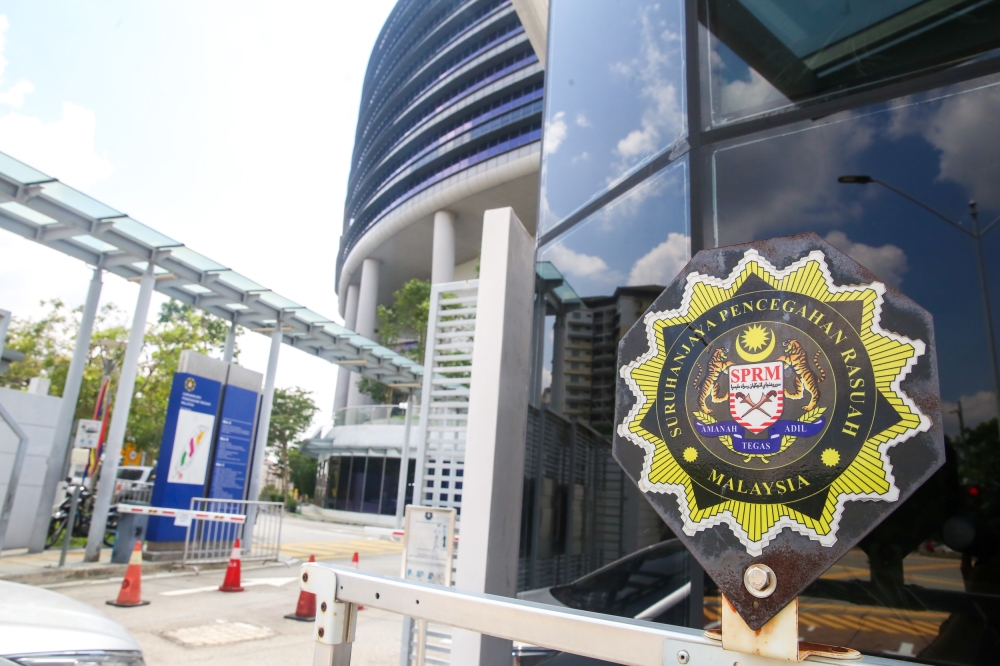
A retired government worker has been placed under remand by the Malaysian Anti-Corruption Commission following serious allegations that he fraudulently obtained RM300,000 in welfare assistance by misusing personal details belonging to eleven different people. The four-day detention order, granted in Kuala Lumpur yesterday, represents the latest development in an expanding investigation into financial malfeasance within the civil service bureaucracy.
The MACC's swift action reflects growing concerns about systemic vulnerabilities in the administration and distribution of government aid programmes. Identity fraud targeting welfare schemes has emerged as a persistent challenge across Southeast Asia, where weak verification systems and insufficient cross-agency data sharing create opportunities for exploitation. The sheer scale of the alleged deception—involving nearly a dozen victims' credentials—suggests a deliberate and methodical approach rather than opportunistic wrongdoing.
According to investigative records, the former civil servant allegedly submitted fraudulent claims to multiple welfare authorities, falsifying identity documents and personal information associated with each of the eleven individuals. Such schemes typically involve either accessing confidential government databases or obtaining personal identity numbers through other corrupt officials. The sophistication of the operation underscores how insiders within the bureaucracy possess inherent advantages in circumventing security protocols designed to prevent such abuses.
The RM300,000 amount involved indicates this was not a minor infraction but a substantial criminal enterprise. For a single individual to amass such a sum through fraudulent aid claims suggests either an extended operational period or involvement of accomplices who may yet face scrutiny. Investigators are reportedly examining whether the accused acted independently or as part of a larger organised scheme involving other government personnel or private sector facilitators.
This case arrives amid heightened public and institutional focus on corruption within Malaysia's civil service. The MACC has intensified enforcement actions targeting government employees who abuse their access to sensitive systems and confidential information. Each high-profile arrest sends a cautionary signal through the bureaucracy, though critics argue that detection remains insufficient given the apparent ease with which fraudulent claims can be submitted and processed.
The welfare and assistance programmes targeted in this instance typically serve vulnerable populations requiring urgent financial support. When such schemes are compromised by fraudsters, resources intended for genuinely needy citizens are diverted, creating a dual injustice: both the depletion of public funds and the deprivation of legitimate beneficiaries. The ripple effects extend beyond individual victims to undermine public confidence in state assistance mechanisms and government integrity more broadly.
Analysts examining transnational patterns observe that identity fraud targeting welfare systems remains a significant vulnerability across the region, from Indonesia to Thailand to the Philippines. Malaysia's detection and prosecution of such cases positions it relatively well within this context, though opportunities for improvement persist. Enhanced integration between the MACC, government ministries managing aid programmes, and the National Registration Department could strengthen verification protocols and expedite the identification of fraudulent claims before disbursement occurs.
The investigation into the former civil servant's conduct will likely encompass not only his personal culpability but also potential systemic weaknesses that permitted such extensive fraud to occur undetected. Internal audits of the relevant welfare agencies may reveal whether supervisory controls failed, whether multiple submissions by the same individual triggered no alerts, and whether basic cross-verification mechanisms functioned adequately. Such scrutiny, while often uncomfortable for bureaucratic institutions, remains essential for building more resilient systems.
For Malaysian citizens and policymakers, the case underscores the importance of continuous modernisation of government administrative systems. Digital identity verification, real-time data integration across departments, and automated anomaly detection represent technological solutions increasingly available and implemented in neighbouring countries. Investment in such infrastructure, while costly upfront, ultimately protects public resources and maintains the integrity of safety-net programmes upon which millions of Malaysians depend during economic hardship.
The four-day remand period will afford investigators opportunity to interrogate the suspect regarding the scope of his alleged activities, the identities of potential co-conspirators, and the methods by which he accessed or obtained the personal information of his victims. Depending on evidence gathered during custody, authorities may extend the investigation or file formal charges within the coming weeks. Observers will be watching closely to determine whether this prosecution leads to institutional reforms preventing future similar incidents or remains an isolated response to a detected individual transgression.

