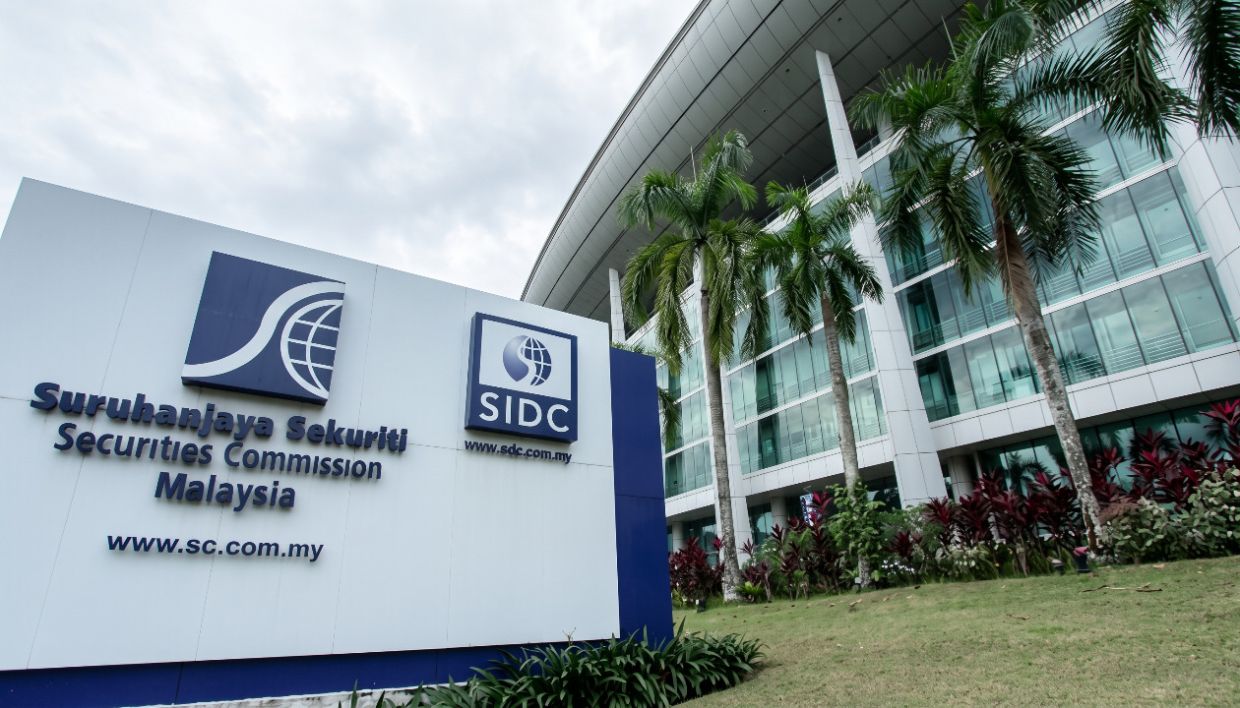
The Kuala Lumpur Sessions Court has handed down a three-year custodial sentence to former bank analyst Mohd Arif Fadzlee Mohd Arifin after convicting him of conducting regulated financial services without proper licensing and fraudulently using professional titles. The verdict represents a notable enforcement action by the Securities Commission Malaysia in its ongoing crackdown against unauthorised individuals operating in the capital markets sector.
Mohd Arif faced two distinct charges brought by the Securities Commission Malaysia, both stemming from activities in Petaling Jaya and Nilai during 2011. The first charge involved presenting himself as a representative of CIMB Wealth Advisors Berhad while engaging in securities dealing, a core regulated activity under Malaysian financial services law, despite lacking the necessary Capital Markets Services Representative's Licence from the regulator. The second charge centred on his unauthorised use of the Unit Trust Consultant title, which he wielded to create the false impression among clients that he possessed legitimate licensing to conduct securities transactions.
Under Malaysia's regulatory framework, all individuals involved in dealing with securities must obtain explicit licensing from the Securities Commission. This requirement exists as a fundamental protective mechanism within the Capital Markets and Services Act 2007, designed to ensure that only properly trained, vetted, and monitored professionals handle client investments. Securities dealing sits within Schedule 2 of the legislation as a clearly demarcated regulated activity, making any unlicensed operations a breach of law regardless of whether harm actually materialised.
The prosecution constructed its case through testimony from ten witnesses, including two victims who had apparently engaged with Mohd Arif for securities-related services. The trial process culminated on February 27, 2026, when the court determined that the prosecution had established a prima facie case of sufficient strength to warrant ordering the defendant to present his defence on both charges. This threshold determination indicated that the evidence presented by authorities had raised reasonable grounds for belief in the charges' validity.
In mounting his defence, Mohd Arif elected to testify under oath but chose not to call supporting witnesses. His testimony strategy appears to have centred on attempting to undermine the prosecution's narrative through his own account. However, the court found his evidence unpersuasive, concluding that he had failed to introduce reasonable doubt into the case against him. The judicial assessment suggested that his personal testimony did not successfully challenge the weight of evidence presented by the Securities Commission's investigators and witnesses.
The sentencing decision imposed three years imprisonment on each conviction, with the court ordering both sentences to run concurrently rather than consecutively. This concurrent approach means the total jail duration is three years rather than six, reflecting judicial discretion in determining proportionate punishment. Notably, the sentences sat at the lower end of available penalties, as the Capital Markets and Services Act 2007 permits judges to impose fines reaching RM5 million or up to five years imprisonment for section 59(1) violations, and fines up to RM1 million or imprisonment extending to five years for section 362(3) offences.
The case carries broader significance for Malaysia's financial services sector, particularly in signalling regulatory determination to prosecute unlicensed operators who exploit professional credentials to gain client confidence. The incident occurred over a decade ago, highlighting how securities regulators maintain focus on historical violations even when considerable time has elapsed. This approach underscores the Securities Commission's commitment to comprehensive oversight rather than prosecutorial selectivity based on recency.
For Malaysian investors and the wider public, the conviction reinforces practical lessons about verifying professional credentials before engaging financial service providers. The use of legitimate-sounding titles like Unit Trust Consultant, combined with association with actual financial institutions, creates sophisticated deception that ordinary investors may struggle to penetrate. Regulatory guidance consistently emphasises checking the Securities Commission's official registries before committing funds to any financial advisor or securities dealer, a precaution demonstrated as necessary by cases like this one.
The broader regulatory landscape in Southeast Asia has witnessed increasing attention to unlicensed financial services provision, as emerging market economies grapple with balancing innovation and accessibility against protection of retail investors from fraudulent or incompetent operators. Malaysia's approach through criminal prosecution serves as a deterrent to would-be violators, whereas some neighbouring jurisdictions employ predominantly civil regulatory mechanisms. The three-year sentence signals that Malaysian authorities view securities licensing violations as serious matters warranting imprisonment, not merely administrative fines.
Beyond the individual case, this prosecution demonstrates the sustained capacity of Malaysia's securities regulator to investigate complex matters retrospectively and build evidential cases capable of withstanding courtroom scrutiny. The involvement of ten prosecution witnesses and the conviction despite the defendant's testimony suggests thorough investigative groundwork and clear documentation of the unlawful conduct. Such prosecutorial success helps establish credibility for regulatory warnings about unlicensed operators.
For compliance professionals within Malaysia's financial services industry, the case reinforces obligations around proper licensing verification and the serious legal consequences attached to misrepresentation of credentials. CIMB Wealth Advisors Berhad's role in the case appears limited to being named in the defendant's false claims, though the prosecution details suggest his association with the institution lent credibility to his deceptive positioning. The decision indirectly underscores industry expectations regarding supervision and verification of who legitimately represents financial institutions.
Moving forward, the conviction may influence future enforcement priorities within the Securities Commission, potentially prompting intensified scrutiny of historical cases and cold-case investigation of older violations. The lengthy investigation period also suggests that building criminal cases against unlicensed operators requires considerable time and resources, potentially explaining why regulatory agencies sometimes prioritise ongoing or egregious violations over historical misconduct. The success in this instance may nonetheless encourage prosecution teams to revisit accumulated evidence from previous years.

