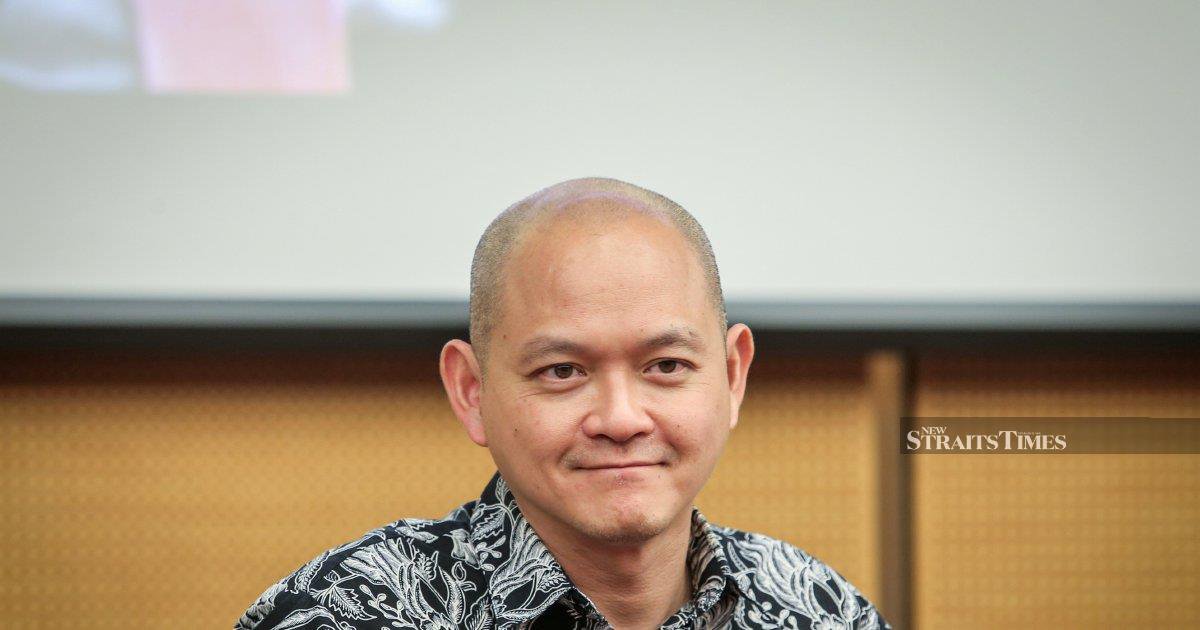
Dr Ong Kian Ming, who previously served as the member of parliament for Bangi, has formally stepped down from the Democratic Action Party following what observers view as a major repositioning within Malaysia's increasingly fluid political landscape. The announcement carries implications for the opposition coalition's composition and signals potential realignment ahead of the next general election.
Ong's departure from DAP represents another case of political flux at the senior level of Malaysia's major parties. His decision to transition away from the party where he built his parliamentary career introduces fresh dynamics into opposition politics, particularly as the country prepares for electoral contests that will shape the political terrain for the coming years. The timing of such moves often reflects broader strategic calculations within parties and among individual politicians.
The former Bangi legislator has committed to working alongside Khairy Jamaluddin, whose prominence in Malaysian politics has evolved significantly across different political formations. This association suggests a particular strategic direction for the approaching electoral cycle, as political figures seek to consolidate support networks and build momentum for their respective campaigns. Khairy's positioning within the current political environment makes such alliances noteworthy for observers tracking coalition dynamics.
Within the opposition landscape, DAP has maintained significant parliamentary representation and continues to play a central role in opposition coalition strategies. The departure of a figure with Ong's profile and parliamentary experience nonetheless constitutes a loss of both institutional knowledge and potential electoral appeal in constituencies where he maintains political traction. Parties often recalibrate their bench strength following such departures, prompting adjustments to campaign strategies and candidate selection processes.
Ong's background as an economist and policy specialist has positioned him as a technologically-oriented politician capable of articulating sophisticated policy positions on economic matters. His contributions to parliamentary debates and committee work have garnered attention from both supporters and critics across the political spectrum. The skill set and credibility he brings to any political endeavour carries weight in electoral contexts where voters increasingly seek leaders capable of addressing complex economic challenges.
The decision to assist Khairy specifically suggests confidence in a particular electoral strategy and leadership approach heading into the general election campaign. Khairy's track record encompasses both government and opposition roles, giving him a distinctive political biography compared to many contemporaries. Coalition partners and individual politicians often calculate that association with such figures enhances their electoral positioning or policy influence in post-election formations.
For Malaysian political watchers, Ong's repositioning underscores the ongoing volatility characterizing the nation's political ecosystem. Party switching and electoral alliances continue to reshape the landscape between general elections, with senior figures making calculations based on evolving circumstances, policy alignment, and perceived electoral prospects. The frequency of such movements reflects both individual ambition and genuine disagreement over party direction or electoral viability.
The timing of announcements regarding political transitions frequently coincides with party strategy sessions, electoral preparations, or specific policy disagreements that become untenable for individual members. Ong's departure therefore likely reflects considered deliberation rather than impulsive decision-making. Understanding the precise motivations requires examining both his previous roles within DAP structures and his stated reasons for supporting Khairy's forthcoming campaign efforts.
From a Southeast Asian perspective, Malaysia's continuing political fluidity stands out among regional democracies. Neighbouring countries often observe Malaysian political developments with interest, given the nation's historical significance and the lessons its democratic evolution offers. The mobility of senior political figures and the relative porousness of party boundaries in Malaysia create a distinct political culture compared to more rigidly structured political systems elsewhere in the region.
Ong's move also reflects broader questions about party discipline, ideological coherence, and organizational identity within Malaysian political formations. As parties compete for votes and influence, senior members sometimes conclude that their values or policy preferences align better elsewhere. Such departures prompt internal discussions within parties about whether structural, ideological, or strategic factors contributed to the loss.
The 16th general election looms as a pivotal moment for Malaysian politics, with implications for governance priorities, coalition composition, and the balance of representation between different regions and communities. Political figures are actively positioning themselves and building networks ahead of the contest. Ong's decision to work with Khairy represents one data point within this larger repositioning process unfolding across the political spectrum.
Looking forward, observers will monitor whether Ong's transition presages broader shifts in opposition coalition dynamics or represents an individual strategic choice. His parliamentary experience and technical expertise may prove valuable assets in the election campaign and potentially in post-election governance structures. The coming months will reveal whether his departure signals frustration with DAP's direction or reflects substantive agreement with Khairy's vision for the future political landscape.

