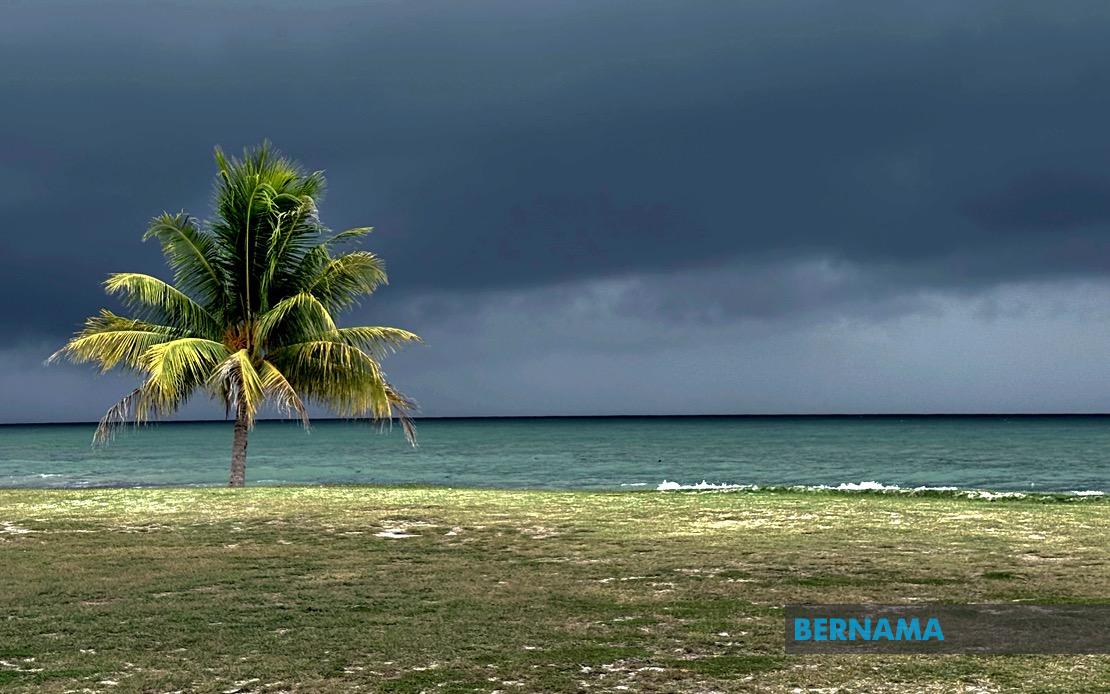
The Malaysian Meteorological Department has cautioned the public about dangerous weather conditions developing across multiple regions on June 25, with adverse atmospheric patterns expected to bring thunderstorms, heavy downpours and gusty winds until 11 pm that day. The alert encompasses both peninsular and east Malaysian territories, suggesting a broad weather system affecting the country's eastern corridor and Borneo regions simultaneously.
On the peninsula, the warning primarily targets the east coast states where monsoon influences and geographical features create conditions conducive to afternoon and evening convective storms. Kelantan faces the most widespread alert, affecting the districts of Kota Bharu, Bachok, Machang and Pasir Puteh, which are positioned along the northeast coast and inland areas vulnerable to moisture-laden winds. The state's terrain and proximity to the South China Sea mean residents in these areas should anticipate rapid weather deterioration with minimal warning as thunderstorm cells develop and intensify.
Terengganu's Kemaman district also comes under the alert, a region that frequently experiences severe weather during certain seasons due to its coastal exposure and topographical characteristics. Kemaman's position on the eastern seaboard places it in the direct path of moisture-bearing systems, making it susceptible to concentrated rainfall and associated hazards. Residents and businesses in this area were advised to remain vigilant and take protective measures during the warning period.
Pahang's interior and central regions round out the peninsular alert zone, with MetMalaysia flagging Jerantut, Temerloh, Maran and Kuantan as areas of concern. These districts span from the state's highland interior to its coastal zone, indicating that the weather system has sufficient atmospheric reach to affect multiple elevation zones simultaneously. The concentration of warnings across this geographical spread suggests organised convective activity rather than isolated thunderstorms, which typically produces more substantial rainfall totals and longer durations of severe weather.
Across the South China Sea, Sarawak faces similar meteorological challenges with Limbang, specifically the Lawas area, placed under advisory. Limbang sits at the northern tip of Sarawak's territory adjacent to Brunei, and its exposure to maritime air masses and local geography means such weather events can develop with particular intensity in this region. Residents in rural and coastal areas of Limbang needed to prepare for potential flooding and hazardous travel conditions.
In Sabah, the alert encompasses a geographically diverse set of locations reflecting the varied terrain across the state. The Interior division, covering Nabawan and Keningau, faces inland thunderstorm activity that could disrupt road access and create challenging conditions in these relatively remote areas. The West Coast region, including Ranau, encompasses highland areas where elevation can influence storm development and rainfall intensity. Sandakan division on the east coast, covering Tongod, Telupid, Beluran and Sandakan itself, represents the most developed urban and commercial centre included in the alert, meaning potential impact extends to significant population centres and economic activity zones.
The timing of the warning through 11 pm indicates a typical late afternoon and early evening convective pattern, when solar heating reaches its peak and atmospheric instability becomes pronounced. This timing window is consistent with how tropical thunderstorms typically develop and dissipate in Malaysian regions, though the specificity of extending warnings until 11 pm suggests meteorological confidence that conditions would persist longer than routine afternoon activity.
For residents and businesses across all affected areas, such warnings typically trigger responses including preparation of drainage systems, securing loose materials, ensuring adequate water supply, and avoiding unnecessary outdoor activities or travel during the warning period. The simultaneous alert across peninsular and Borneo territories indicates a weather system of substantial spatial extent, though localised rainfall intensity may vary considerably across different districts based on exact storm cell trajectories and timing.
MetMalaysia's issuance of such alerts represents an important component of Malaysia's weather safety framework, providing critical advance notice that allows individuals, communities and organisations to implement protective measures. The department continuously monitors atmospheric conditions and updates warnings as systems evolve, recognising that tropical weather can change rapidly. Residents in the affected areas were encouraged to monitor official weather updates and heed safety recommendations from local authorities throughout the warning period to minimise risks from flooding, lightning strikes and hazardous wind conditions.

