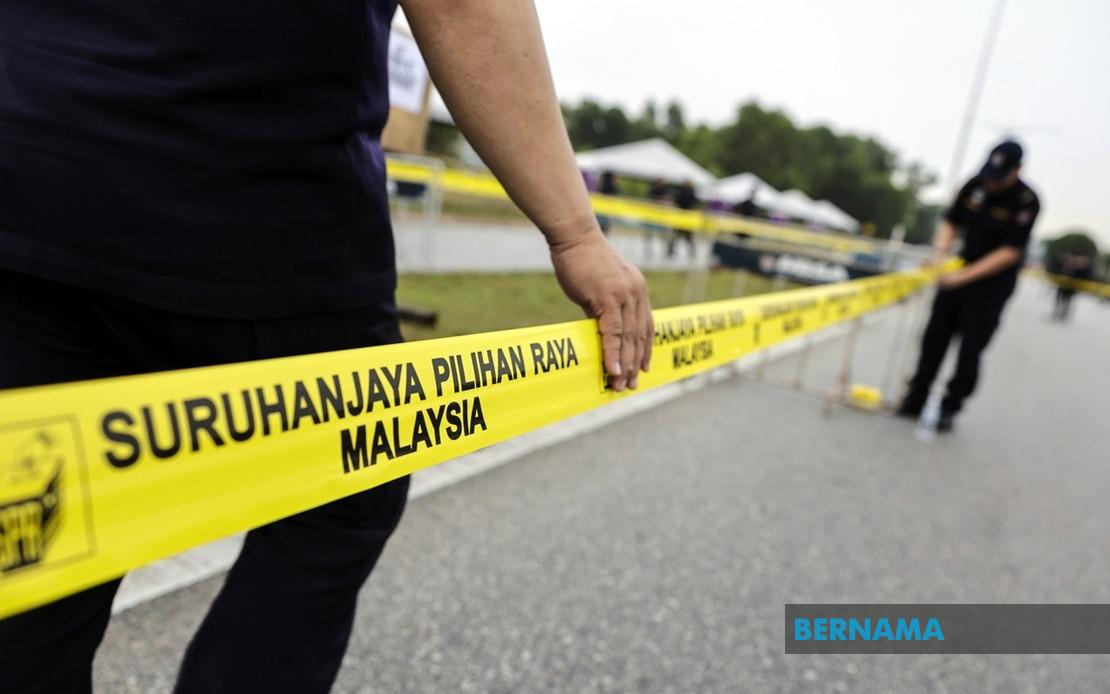
Voters and candidates preparing for Negeri Sembilan's nomination day tomorrow can expect generally pleasant morning conditions across most of the state, though afternoon thunderstorms will likely develop, according to the Malaysian Meteorological Department. The weather outlook, provided by MetMalaysia director-general Dr Mohd Hisham Mohd Anip, suggests that while morning sessions in key districts will proceed under clear skies, election participants should remain vigilant for deteriorating conditions later in the day.
The meteorological forecast paints a bifurcated weather picture across the state's districts. Fair conditions are anticipated during morning hours in Jelebu, Jempol, Kuala Pilah, Rembau and Tampin, where nomination proceedings will commence at 9 am and conclude by 10 am. However, Port Dickson and Seremban, the state capital and likely focal point for media attention and candidate activity, face the prospect of rain showers during these critical hours. This variance underscores the localized nature of weather patterns in the state and the varying conditions voters and election officials may encounter depending on their location.
Dr Mohd Hisham emphasized that despite the forecast of thunderstorms across most districts in the afternoon, the rainfall is not expected to be particularly disruptive. The department characterizes the anticipated precipitation as temporary showers of limited intensity rather than sustained heavy downpours that could impede election operations. This distinction holds significance for election organizers and the public alike, as brief passing rain is unlikely to cause substantial delays or logistical complications, though participants should nonetheless prepare for wet conditions.
Temperature variations throughout the state will remain moderate, with minimum readings hovering between 23 and 24 degrees Celsius, while daytime highs are forecast to reach 32 to 33 degrees Celsius. These typical tropical conditions, whilst warm, should not present exceptional challenges to voters or election workers, though the combination of heat and anticipated humidity could make afternoon conditions moderately uncomfortable. The meteorological department has advised all parties involved in the electoral process to monitor its website for updated forecasts as nomination day approaches.
The nomination process itself, scheduled to run from 9 am to 10 am across eight designated nomination centres throughout the state, provides a compressed timeframe within which candidates must formally register their candidacy. Following the completion of nominations at each centre, returning officers will proceed to announce officially confirmed candidates. The condensed morning schedule means that any significant weather disruption during these hours could create logistical challenges, though the current forecast suggests this remains unlikely.
Negeri Sembilan's 36-seat legislature has attracted an unusually diverse array of political participants, reflecting the increasingly fragmented nature of Malaysian electoral politics. Pakatan Harapan plans to contest all seats, with PKR fielding 16 candidates, DAP putting forward 11, and Amanah contributing nine. Barisan Nasional, traditionally a formidable electoral force in the state, will contest 25 seats, comprising 16 UMNO candidates, seven from MCA and two from MIC, indicating a selective rather than comprehensive approach to seat coverage.
Perikatan Nasional has announced its participation in 11 seats, with PAS contributing five candidates, Parti Wawasan Negara providing four, and Gerakan and the Malaysian Indian People's Party each fielding one representative. Beyond these three major coalitions, smaller parties have signalled their intent to participate, including Parti Orang Asli Malaysia, Parti Sosialis Malaysia, and Parti Barisan Jemaah Islamiah Se-Malaysia, each contesting a single seat. Parti Pribumi Bersatu Malaysia is expected to announce its candidate list later today, completing the initial picture of the electoral landscape.
The Election Commission dissolved the Negeri Sembilan State Legislative Assembly on June 5, establishing July 28 as the designated early voting date and August 1 as polling day. This timeline affords candidates approximately two weeks from nomination to campaign amongst voters, a relatively brief window in which to mobilize support and articulate their messages. The compressed electoral calendar contrasts with the state's broader political context, where factional tensions and coalition dynamics have shaped recent legislative outcomes.
Approximately 889,490 registered voters are eligible to participate in the election, representing a substantial electorate that will determine the composition of the state legislature. Of this total, 867,151 are ordinary voters participating through standard polling mechanisms, whilst 16,884 military personnel and their spouses, and 5,455 police officers, are entitled to cast votes during the designated early voting session on July 28. This segmentation of the electorate according to occupational status reflects institutional arrangements designed to facilitate participation amongst security forces whilst maintaining broader democratic principles.
The Negeri Sembilan state election assumes heightened significance within Malaysia's broader political landscape, occurring at a juncture when coalition dynamics remain fluid and factional realignments continue reshaping the electoral environment. The participation of Perikatan Nasional alongside the traditional Pakatan Harapan and Barisan Nasional coalitions, combined with numerous independent candidates from smaller parties, creates a genuinely multi-polar contest. This fragmentation contrasts markedly with earlier electoral contests in Malaysian history, when two dominant coalitions typically dominated competition.
The weather forecast, whilst appearing superficially routine, carries practical implications for voter turnout and election operations. Morning conditions should facilitate smooth processing of nominations and candidate registration, whilst afternoon conditions may deter some voters during any extended campaigning or organizational activities that extend beyond the formal morning nomination window. Election officials and candidate organizations are likely monitoring the meteorological department's updates to finalize logistical planning and ensure that adverse weather does not undermine their respective electoral efforts.

