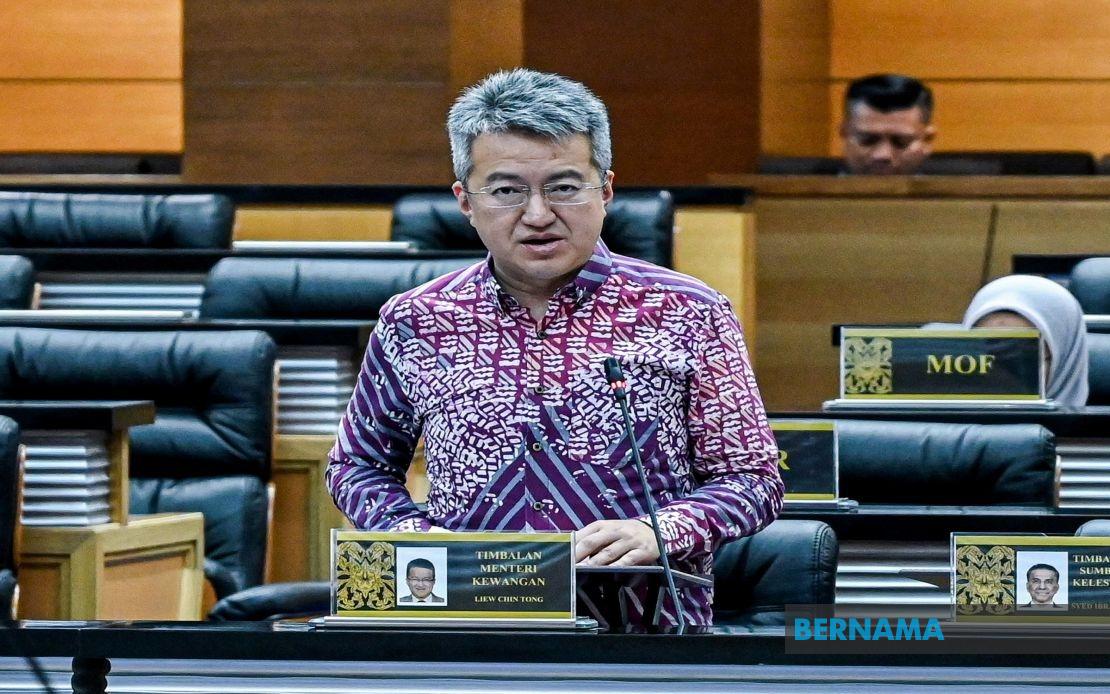
The Malaysian government is examining whether elderly care centres should be relieved from paying the eight per cent Sales and Service Tax, a move being studied jointly by the Ministry of Finance and the Ministry of Women, Family and Community Development. Deputy Finance Minister Liew Chin Tong revealed the initiative during parliamentary proceedings on July 16, signalling the government's responsiveness to cost-of-living pressures facing families with ageing relatives.
The proposal has gained traction amid growing concerns that the SST is compounding financial strain for ordinary Malaysian households already grappling with elevated expenses. Parliamentarian Lee Chuan How, representing Ipoh Timor, had raised the issue in the Dewan Rakyat, specifically requesting that the tax be waived for care services delivered by centres registered with the Social Welfare Department. His intervention highlights how the tax structure is creating practical difficulties for middle-income families navigating the costs of elder care, with typical monthly fees hovering around RM2,500.
The Finance Ministry's study encompasses a detailed categorisation of care facilities to distinguish between those offering basic services and those providing premium offerings. This differentiation is crucial because policymakers want to ensure that any targeted relief genuinely protects vulnerable segments of the population rather than providing blanket benefits to all operators. The approach suggests the government recognises that not all elderly care providers operate at the same cost level or serve similar demographic groups.
Deputy Minister Liew emphasised that the government remains committed to preventing the service tax from inadvertently worsening the financial predicament of Malaysians already struggling with high living costs. This statement reflects broader acknowledgment within the administration that the SST, introduced as a revenue measure, can have unintended consequences for essential services touching on social welfare and family support. The government appears willing to recalibrate tax policy where it directly affects vulnerable populations.
Crucially, Liew indicated that the Finance Ministry intends to conduct field visits to elderly care centres alongside officials from the Women, Family and Community Development Ministry. These on-site assessments are designed to provide decision-makers with ground-truth understanding of operational challenges faced by care centre proprietors and the real-world impact of the tax on service delivery. Such engagement represents a policy approach that moves beyond desk-based analysis to incorporate stakeholder feedback directly.
The planned visits will incorporate structured discussions with care centre operators, allowing the Finance Ministry to develop granular knowledge of sector-specific issues before finalising recommendations. By directly engaging with industry practitioners, officials hope to identify practical solutions that balance revenue considerations with the need to maintain affordable and accessible elder care services. This collaborative approach also signals openness to input from affected businesses in shaping final policy.
The timing of this review reflects broader societal shifts in Malaysia. As the population ages and more families require professional care services, the intersection of taxation policy and social welfare has become increasingly politically salient. Policymakers recognise that decisions affecting elderly care directly touch on family obligations, intergenerational support systems, and the affordability of services that are becoming essential rather than optional for growing numbers of Malaysians.
The government has signalled its intention to consider proposals from all stakeholders—including care centres, families, and advocacy groups—before concluding the study. This consultative stance suggests the Finance Ministry recognises the complexity of the issue and wants to avoid unintended consequences. However, the timeline for completion remains unclear, leaving families and operators in a state of uncertainty regarding potential relief.
The proposal also carries broader implications for how Malaysia's tax system accommodates social services. If elderly care centres are exempted or granted special treatment, it may prompt similar requests from other essential service providers, from childcare facilities to disability support centres. The government will need to establish clear principles for determining which services warrant tax relief, a decision that will likely influence policy across multiple sectors.
From a regional perspective, Malaysia's approach to taxing elderly care services reflects challenges facing other ageing Southeast Asian societies. Countries across the region are grappling with how to fund ageing population support while maintaining economic competitiveness and fiscal sustainability. Malaysia's deliberate study and consultation process may offer useful lessons for neighbouring nations contemplating similar policy adjustments.
The parliamentary discussion also underscores the role of backbench and opposition scrutiny in bringing social issues to ministerial attention. The Special Chamber session that produced this exchange had seen 63 motions tabled over 16 days, demonstrating how the parliament continues to surface community concerns that might otherwise escape high-level policymaking attention. This mechanism has proven particularly valuable for raising issues affecting specific groups like elderly care users.
Look ahead, the Finance Ministry's commitment to finalise its study and engage with stakeholders suggests that a policy decision may emerge within coming months. Whether exemption takes the form of full waiver, tiered relief based on service type, or targeted support for lower-income beneficiaries will likely shape how effectively any eventual measure alleviates cost pressures. The government's willingness to revisit tax policy in response to social concerns demonstrates that even established fiscal measures remain subject to adjustment when compelling cases for reform emerge.

