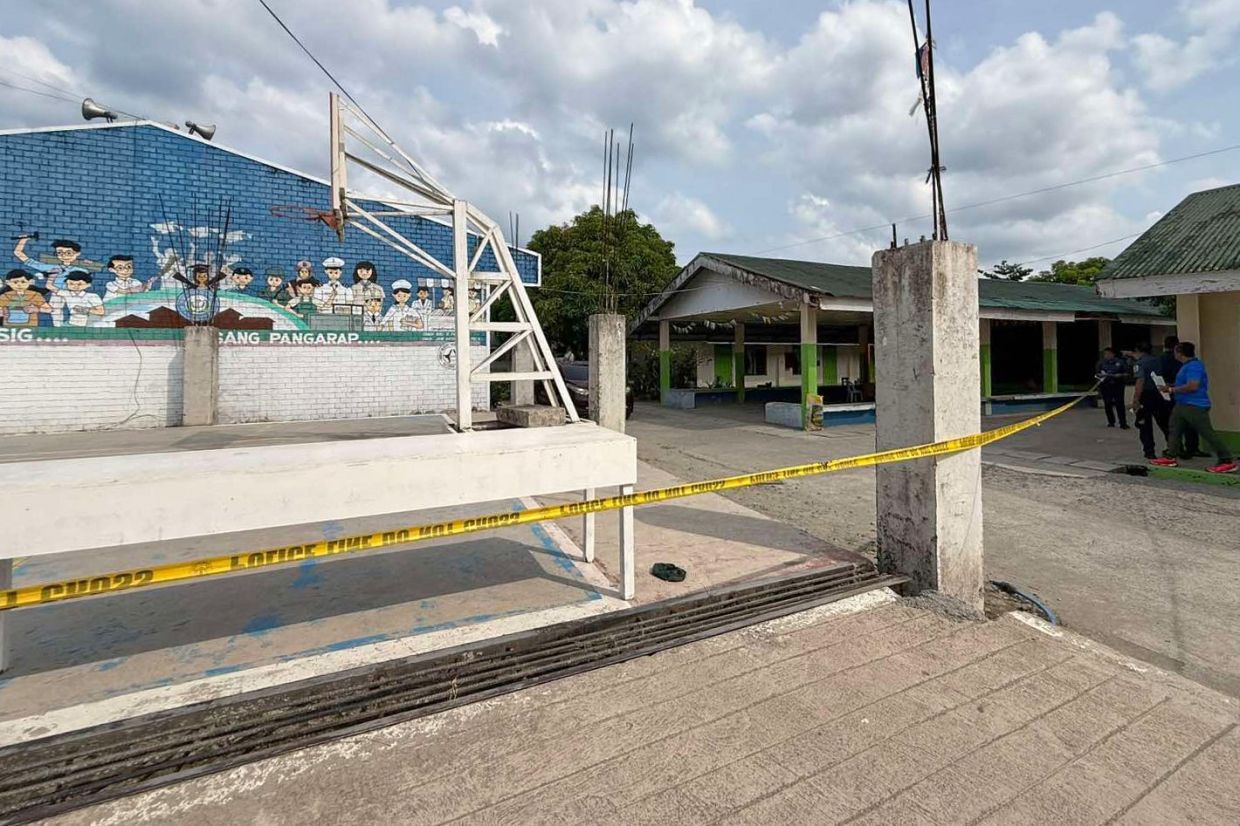
A 14-year-old Grade 10 student from Tolosa National High School in Leyte has been taken into police custody for allegedly threatening violence against her institution through social media posts, marking a troubling escalation in school safety concerns across the Philippines. Interior Secretary Jonvic Remulla announced the development at Camp Crame on Thursday, revealing that the Philippine National Police Criminal Investigation and Detection Group apprehended the minor following a tip from Senator Bam Aquino about the threatening posts made on Wednesday evening.
The student's social media message contained explicit menacing language directed at her schoolmates, warning them to "prepare yourselves" and threatening to "disrupt the school" with unspecified violence. The post, which circulated across multiple accounts created by the teen, stated that classmates would not know her identity until they recognised her, and ominously declared: "Be prepared for whoever gets shot or stabbed." The language mirrored patterns of school threat communications that have become increasingly prevalent globally, particularly following high-profile incidents of campus violence.
Police investigators determined that the minor had deliberately established multiple Facebook accounts to spread the threatening message more widely, suggesting a deliberate effort to amplify the warning across her peer network. Remulla noted that the teen's identity was established through detailed social media analysis coupled with information provided by concerned individuals who reported the posts to authorities. However, when law enforcement moved to investigate further, the accounts and posts had already been deleted, likely once the teenager became aware of the official response.
The girl's cooperation with authorities proved limited, with Remulla observing that she demonstrated hesitation and reluctance to engage with police questioning, apparently fearful of the consequences her actions might trigger. Her parents compounded investigative difficulties by refusing to provide additional information when approached by the Tolosa Municipal Police Station, raising questions about the family dynamics surrounding the incident and whether household tensions contributed to the teen's online behaviour.
Under Philippine law, the minor could not face criminal charges due to protections afforded under Republic Act No. 9344, the Juvenile Justice and Welfare Act, which shields children below a certain age from standard prosecution. Consequently, the Department of Social Welfare and Development took temporary custody before releasing the teen, though the case remained under administrative and protective supervision. This legal framework prioritises rehabilitation and welfare considerations over punitive measures, reflecting international best practices in juvenile justice systems.
Remulla's investigation identified "personal and family issues" as potential catalysts for the threatening posts, suggesting the teen's actions stemmed from interpersonal grievances rather than ideological motivation or organised planning. Significantly, authorities found no evidence of coordinated involvement with other individuals, no access to actual weapons or firearms by either the student or her family, and no indication of a concrete operational plan to carry out the threatened violence. These findings suggest the posts may have represented an expression of emotional distress rather than a genuine preparatory threat.
A particularly concerning pattern emerged during the investigation: authorities established that the teen was an avid player of GoreBox, a graphically violent video game that has become the subject of scrutiny following recent school violence incidents. The same gaming title was reportedly played by both suspects involved in the San Jose National High School shooting in Tacloban City on Monday, which resulted in three student deaths and at least twenty wounded. While causality between gaming and violence remains scientifically contested, the recurring association has prompted Philippine authorities to take action, with the Cybercrime Investigation and Coordinating Centre imposing a temporary ban on the game following the Tacloban shooting.
The incident at San Jose National High School involved two youthful perpetrators aged fourteen and fifteen, underscoring how school-based violence in the Philippines increasingly involves young offenders, similar to troubling global trends. The deadly shooting set off alarm bells across Philippine educational institutions and prompted heightened security measures and threat reporting protocols at schools nationwide. Remulla indicated that the Tolosa student's threatening posts appeared directly influenced by media coverage and social awareness of the Tacloban incident, suggesting a potential copycat effect wherein highly publicised violence can inspire subsequent threats or incidents among vulnerable youth.
After family engagement and counselling interventions, authorities assessed that the specific threat had been "neutralised and rendered inactive," with no ongoing risk materialising. The girl's parents reportedly cooperated more substantively following initial police contact, allowing investigators to complete a fuller assessment of her mental and emotional state. The case illustrates both the speed at which school safety threats can emerge through digital channels and the complexity of distinguishing genuine danger from expressions of adolescent emotional distress.
The incidents raise important questions for Malaysian and broader Southeast Asian educational communities about school security protocols, digital threat assessment capabilities, and the intersection of youth mental health with online behaviour. Philippine authorities' response demonstrates the importance of inter-agency coordination, tip-line systems that encourage community reporting, and rapid response mechanisms that can identify and evaluate threats within hours. As schools across the region grapple with balancing security measures against student welfare considerations, the Philippine experience offers instructive lessons about both the potential dangers posed by online threats and the critical importance of proportionate, restorative approaches to juvenile cases.

