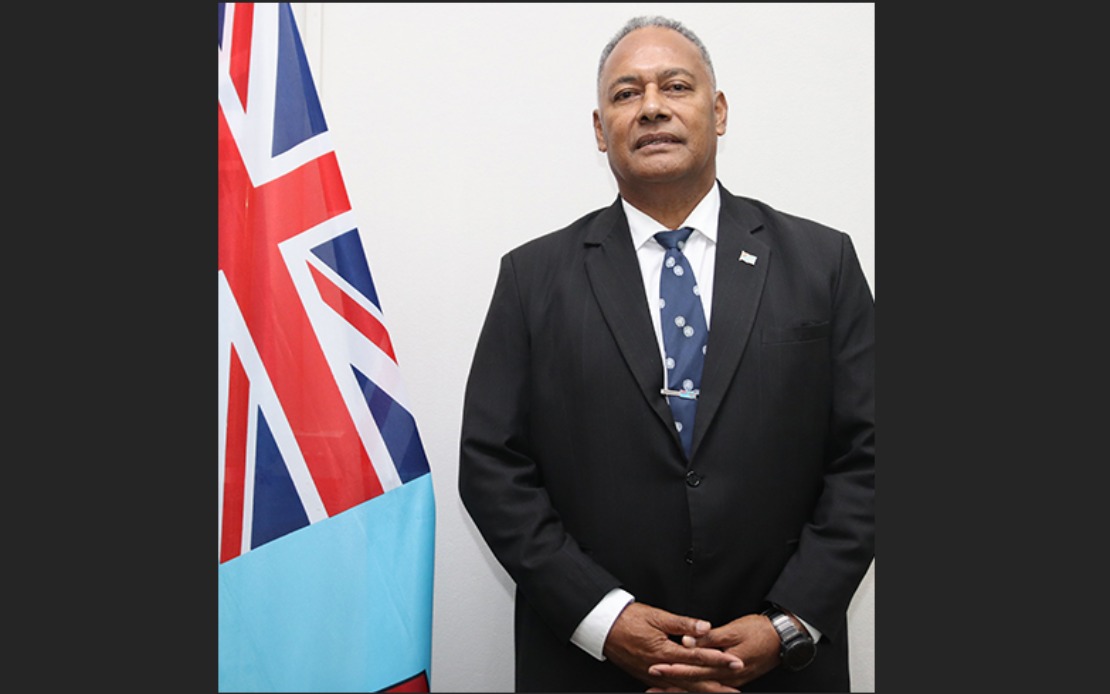
Fijian Foreign and External Trade Minister Sakiasi Raisevu Ditoka is set to arrive in Malaysia on Sunday for a four-day working visit aimed at broadening the two nations' partnership across multiple sectors. The visit underscores growing diplomatic momentum in Southeast Asia's engagement with Pacific Island nations, a region increasingly recognised as strategically important amid broader geopolitical shifts in the Indo-Pacific.
During his time in Kuala Lumpur, Ditoka will hold substantive discussions with Malaysia's Foreign Minister Datuk Seri Mohamad Hasan on mechanisms to deepen bilateral cooperation. The agenda encompasses trade and investment facilitation, capacity building initiatives, forestry development, renewable energy collaboration, and cultural exchange programmes. Such comprehensive discussions reflect both nations' commitment to broadening their relationship beyond traditional trade relationships into areas of mutual development interest.
The diplomatic engagement also provides a forum for the two ministers to engage in broader strategic dialogue. They will exchange perspectives on pressing regional and international matters affecting their respective interests and communities. Additionally, the talks will focus on strengthening Malaysia's cooperative ties with Pacific Island nations collectively, recognising the importance of coordinated engagement with this geographically dispersed but economically significant region.
Beyond the Foreign Ministry, Ditoka's itinerary includes meetings with Investment, Trade, and Industry Minister Datuk Seri Johari Abdul Ghani. These discussions specifically target identifying fresh avenues for economic collaboration that would generate tangible benefits for both Malaysia and Fiji. Such ministerial-level engagement at the investment and trade portfolios indicates serious intent from both governments to move beyond diplomatic courtesy into concrete commercial partnership.
A symbolic highlight of the visit is Ditoka's participation in reopening the High Commission of the Republic of Fiji in Kuala Lumpur. This diplomatic presence represents more than ceremonial significance; it signals Fiji's commitment to deeper engagement with Malaysia and the broader Southeast Asian region. The reopened mission will serve as a hub for facilitating business connections, managing consular matters, and coordinating bilateral initiatives.
Complementing the government-level activities, the establishment of the Malaysia-Fiji Business Council during this visit represents a crucial institutional development. Such business councils typically function as platforms enabling private sector actors from both nations to identify investment opportunities, negotiate partnerships, and navigate regulatory frameworks. For Malaysian companies seeking exposure to Pacific markets and Fijian enterprises eyeing Southeast Asian expansion, this council provides essential networking infrastructure.
The trade statistics reveal an imbalanced but growing relationship. In 2025, total bilateral commerce reached RM880.01 million, equivalent to approximately US$206.2 million. Malaysia's exports to Fiji considerably outweigh imports, with Malaysian shipments valued at RM867.92 million against Fijian imports of only RM12.09 million. This significant trade deficit from Fiji's perspective creates negotiating space during current discussions, as Fijian officials likely seek mechanisms to boost their export competitiveness and identify products where they can serve Malaysian markets more effectively.
For Malaysian policymakers, engagement with Pacific Island nations like Fiji addresses multiple strategic objectives simultaneously. These island economies represent emerging markets with growing middle-class populations and infrastructure development needs where Malaysian companies possess competitive advantages. Furthermore, strengthening ties with Pacific nations contributes to Malaysia's broader diplomatic positioning within the Indo-Pacific region and supports ASEAN's dialogue partnership frameworks with Pacific Island Forum members.
The renewable energy cooperation dimension carries particular significance given global transitions toward clean energy. Fiji, being an island nation, possesses excellent potential for solar, wind, and tidal energy development. Malaysian expertise in renewable technology deployment and project financing could facilitate Fiji's energy transition while creating commercial opportunities for Malaysian enterprises. Similarly, forestry collaboration touches on sustainable resource management—an area where both nations face similar environmental governance challenges.
Cultural and capacity-building components of the bilateral agenda reflect recognition that sustainable partnerships require people-to-people connections and institutional strengthening. Educational exchanges, training programmes, and cultural events build long-term understanding and create networks of mutual interest that transcend political cycles.
The timing of this visit aligns with intensified regional interest in Pacific engagement. As major powers compete for influence in the Indo-Pacific, mid-sized regional players like Malaysia are proactively deepening relationships with island economies. This visit demonstrates Malaysia's commitment to being an active stakeholder in Pacific development rather than treating the region as peripheral to Southeast Asian concerns.
Government-to-government initiatives like this ministerial visit ultimately depend on private sector responsiveness for success. The effectiveness of the Malaysia-Fiji Business Council and specific economic partnership outcomes will be determined by Malaysian companies' willingness to explore Fijian opportunities and Fijian enterprises' capacity to meet Malaysian market requirements. Success requires sustained engagement beyond the diplomatic visit itself, with follow-up mechanisms ensuring momentum translates into actual business transactions.

