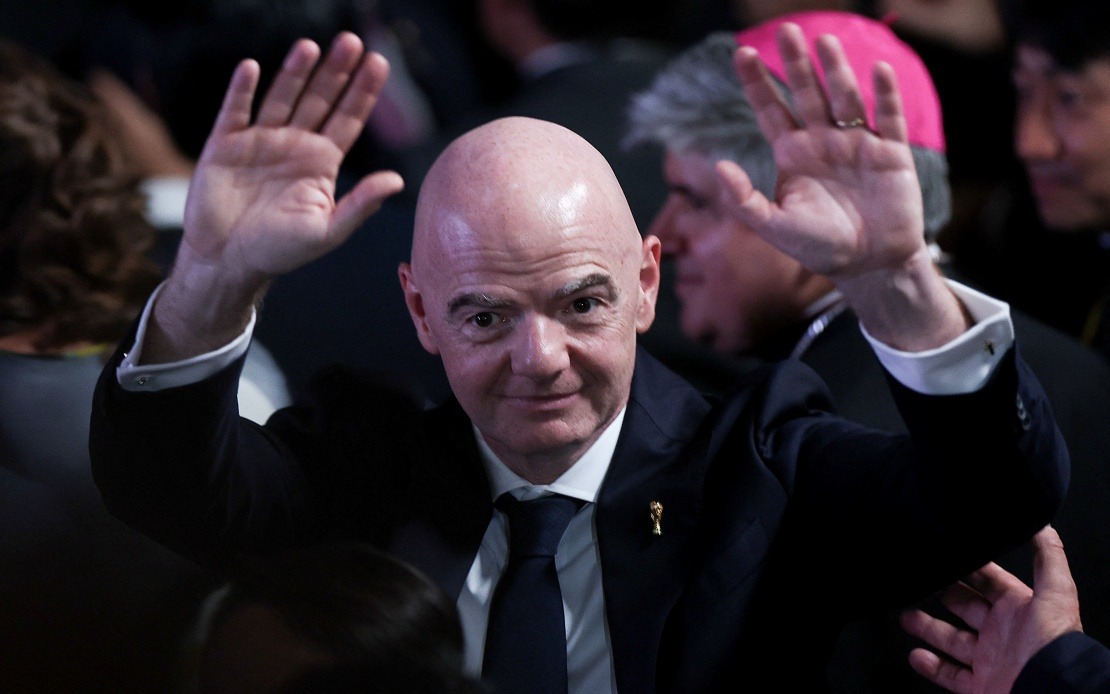
FIFA has moved swiftly to shore up Gianni Infantino's presidency, issuing a pointed statement late Saturday that drew a clear line around the bounds of acceptable internal dissent. The world football governing body declared it would neither support nor tolerate any attempt to stage a presidential election that circumvents its established statutes and governance framework, signalling zero tolerance for procedural irregularities as the Italian-Swiss administrator pursues a fourth consecutive mandate.
The statement represents a muscular defence of both Infantino's institutional legitimacy and the formal processes that legitimised his past elections. FIFA emphasised that its president remains in office by virtue of being "democratically elected by FIFA's Member Associations," a deliberate invocation of procedural propriety designed to pre-empt claims that his tenure lacks genuine grassroots support. The governing body framed the continued backing as an ongoing mandate from the confederation's 211 member nations, grounding Infantino's authority in what FIFA characterises as authentic democratic endorsement.
Notably, FIFA's statement did not emerge in isolation. The organisation cited "recent positions" from major regional confederations—specifically mentioning the South American Football Confederation (CONMEBOL) and the Confederation of African Football (CAF)—suggesting that Infantino enjoys protective support across the global football ecosystem. This confederation-level backing matters substantially in FIFA's power structure, where member associations wield voting authority. By publicly tying continental leaders to his defence, FIFA has effectively mobilised key gatekeepers against potential challengers.
Beneath the formal language, however, FIFA's statement reveals genuine anxiety about the trajectory of internal sentiment. The organisation accused unnamed individuals of orchestrating "a concerted and ongoing effort" to undermine both FIFA and Infantino personally, alleging they are attempting through "allegations, insinuations or misinformation" what they cannot achieve through democratic procedures. This framing transforms criticism from legitimate governance scrutiny into a coordinated smear campaign, delegitimising dissent even before its substance is addressed.
The governing body's dismissal of recent reporting as containing "unsubstantiated assertions and demonstrably false claims" suggests that critical coverage has multiplied in recent months. FIFA's insistence that "speculation and insinuation should not be presented as fact, and repetition does not make an allegation true" reflects frustration with persistent questioning that has apparently gained traction in football media. The tone—somewhat preachy and defensive—indicates that FIFA feels obliged to counter a narrative it perceives as gaining ground.
Infantino's record was paraded as evidence of his constructive stewardship. FIFA highlighted his more than three decades in European and world football administration, emphasising his purported contributions to expanding "access, resources and opportunities across the game." This biographical recitation appears designed to remind member associations of tangible benefits they may attribute to his tenure, potentially motivating them to overlook controversies or concerns that have emerged during his decade-plus as president.
Yet FIFA's assertion that it "welcomes legitimate scrutiny" sits awkwardly against its broader messaging. The organisation simultaneously claims a right to distinguish between acceptable criticism and what it labels manufactured distraction, effectively reserving the right to determine which questions deserve engagement. This gatekeeping approach—permitting scrutiny only when filtered through FIFA's standards of legitimacy—undermines the openness implied by the welcoming language.
For Malaysian football stakeholders and Southeast Asian readers, the tussle carries particular resonance. Asian confederation dynamics will influence how FIFA's crisis unfolds, and any weakening of Infantino's position could reshape continental power alignments. Additionally, Malaysian football's development priorities—youth systems, infrastructure investment, competition formats—are partly shaped by FIFA's strategic direction. Uncertainty about FIFA's leadership stability could create fluctuations in funding priorities or policy focus.
The statement's timing and intensity suggest that divisions within FIFA have become sufficiently pronounced to warrant a pre-emptive, forceful restatement of institutional support for Infantino. Rather than dismissing concerns as marginal grumbling, FIFA felt compelled to deploy significant rhetorical firepower, hinting that organised opposition—whether from specific confederations, wealthy clubs, or other power centres—poses a genuine challenge to his reelection ambitions.
Infantino's path to a fourth term, originally appearing inevitable given his organisational control, now appears more contested than FIFA's public posture would suggest. The gap between FIFA's assertion of harmonious democratic backing and the obvious necessity for this defensive statement reveals underlying fractures. Whether these tensions crystallise into a genuine electoral challenge remains uncertain, but the need for such vigorous public reaffirmation indicates that Infantino's supposed mandate is more conditional than institutional messaging implies.
The coming months will likely witness further jockeying among regional confederations, individual member associations, and potential rival candidates. FIFA's hardline statement may deter some challengers but could also entrench opposition among those who resent what they perceive as the organisation closing ranks against legitimate democratic contestation. The battle for football's highest office is far from settled, notwithstanding FIFA's confident assertions of procedural invulnerability and Infantino's secure mandate.

