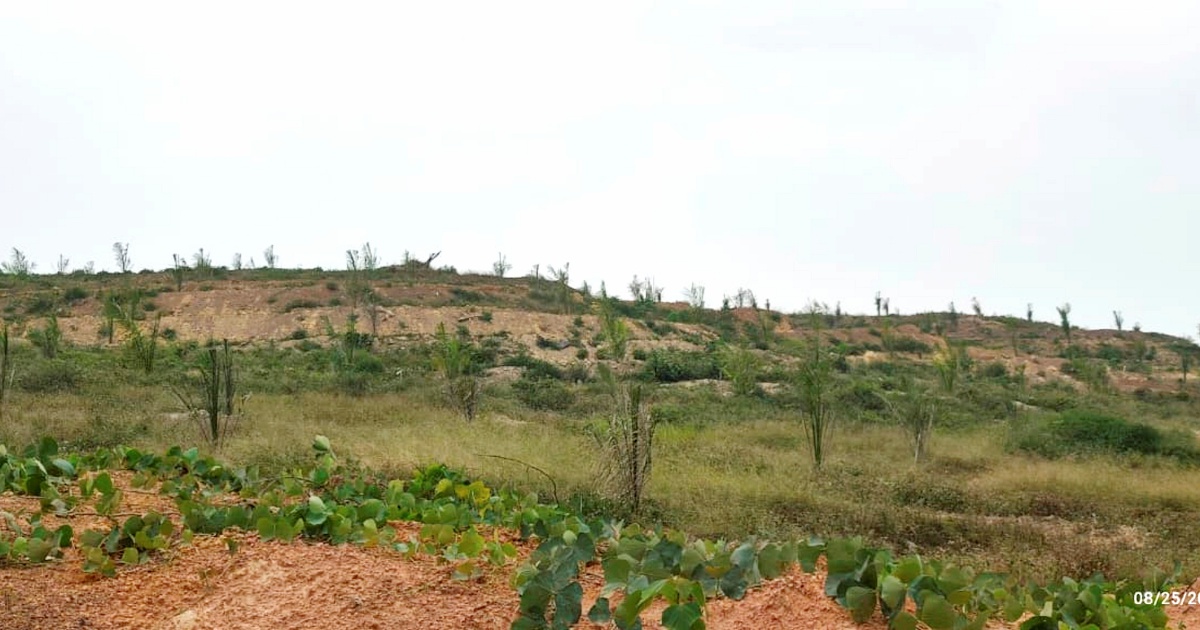
Residents of Felda Palong 7 in Jempol have taken formal action against what they describe as a systematic supply problem involving inferior and inconsistent oil palm seedlings, bringing their grievances before the Malaysian Anti-Corruption Commission in a move that underscores mounting frustration within the federal land development scheme.
The complaint centres on the provision of seedlings that fail to meet acceptable agricultural standards, with settlers asserting that the quality inconsistencies have created difficulties for their farming operations. The decision to escalate the matter to MACC suggests that those involved suspect possible mismanagement or irregularities in the procurement process, rather than simple operational lapses.
Felda settlements represent a cornerstone of Malaysia's rural development framework, established to provide small-scale farmers with organized support structures and guaranteed markets for their produce. Palong 7, like other Felda schemes, operates within a cooperative model where settlers depend on centralized supply chains for inputs including seedlings. When these supply chains fail to deliver consistent quality, the financial implications ripple through individual farming operations and affect the settlement's overall productivity.
Oil palm cultivation remains one of Malaysia's most significant agricultural sectors, generating substantial export revenues and employment. The quality of initial seedlings directly influences crop performance, disease resistance, and eventual yields. Non-uniform seedlings can mature at different rates, complicating harvesting schedules and reducing efficiency across the plantation. Settlers investing their labour and capital into these operations face compounded losses when seedling quality becomes unreliable, effectively undermining the economic viability of their farming ventures.
The decision to involve MACC rather than pursue conventional administrative channels indicates that the settlers perceive potential misconduct beyond mere procurement inefficiency. This could include allegations of kickbacks, collusion between suppliers and officials, or deliberate cost-cutting measures that compromise product standards while maintaining profit margins. Such scenarios would constitute corruption rather than simple commercial failure, justifying the involvement of Malaysia's dedicated anti-corruption authority.
Felda settlers typically operate within constrained circumstances compared to independent planters, relying heavily on institutional structures for inputs, technical advice, and market access. This dependency, while providing stability, also leaves them vulnerable to supply chain failures. When settlers cannot source quality seedlings through alternative channels without abandoning the cooperative framework, they face limited options for addressing problems independently, making formal complaints to oversight agencies their primary recourse.
The timing of such complaints reflects broader dynamics within Malaysia's agricultural sector, where modernization pressures and consolidation have sometimes created tensions within traditional rural schemes. Younger settlers or those with commercial aspirations may feel particularly aggrieved when institutional failures prevent them from maximizing productivity on their allocated land. The escalation to MACC suggests that internal grievance mechanisms may have proved inadequate or that settlers lack confidence in conventional remedies.
An investigation into these allegations would examine procurement documentation, supplier selection criteria, quality control procedures, and communication between settlement management and suppliers. MACC would assess whether any officials breached their fiduciary duties by accepting substandard supplies or failing to enforce quality standards. The investigation could also scrutinize whether competitive tendering processes were properly observed or whether favoured suppliers received preferential treatment despite inferior products.
For Felda as an institution, such complaints carry reputational and operational implications. The organization has undergone significant structural changes in recent years as it attempts to modernize operations and improve financial sustainability. Quality assurance failures, particularly if systemic, undermine confidence in institutional capacity and potentially trigger demands for further oversight and reform. Settlers losing faith in centralized supply systems may seek greater autonomy or independence, accelerating the transformation of Felda's traditional operational model.
The outcome of this investigation will likely set precedents for how similar complaints within Felda schemes are handled. Should MACC substantiate corruption allegations, it would trigger disciplinary action against implicated officials and potentially criminal prosecution. Conversely, if the investigation attributes problems to operational inadequacy rather than misconduct, it would nevertheless highlight systemic vulnerabilities requiring management attention and resource allocation.
For other Felda settlements across Malaysia, this complaint serves as a signal that institutional failures can now be escalated to independent authorities with real investigative power. This shift toward formal accountability mechanisms reflects broader changes in Malaysian governance culture and may encourage similar reports from other schemes experiencing comparable supply problems. The outcome will influence whether settlers view MACC intervention as an effective remedy or whether broader structural reforms to Felda procurement and quality assurance systems will prove necessary.

