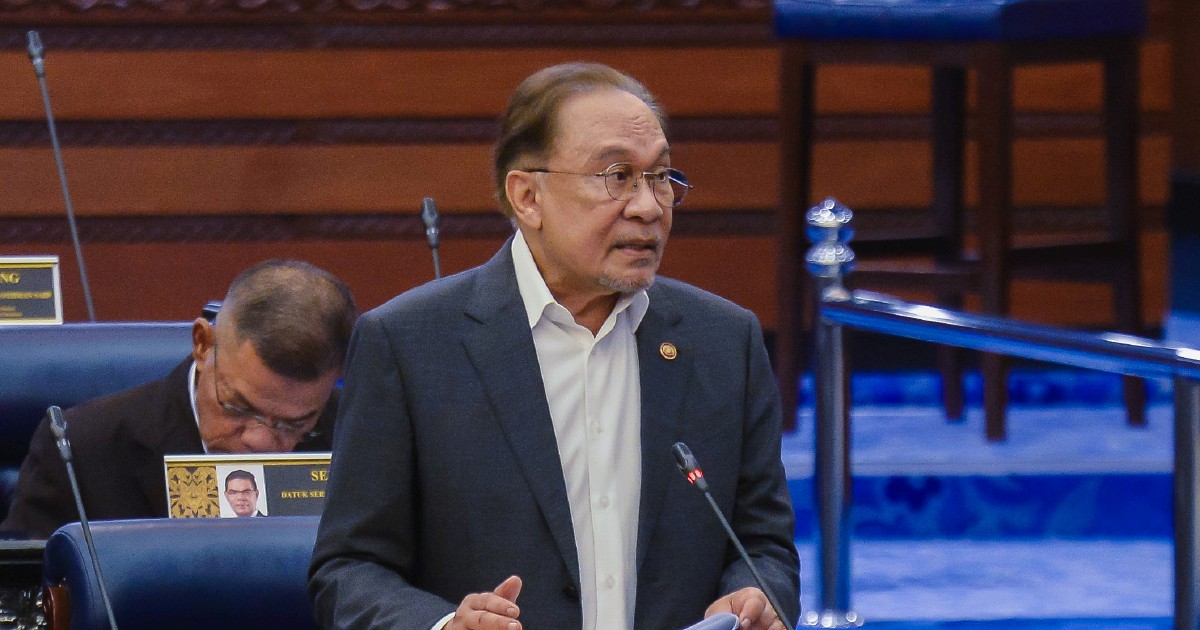
Prime Minister Datuk Seri Anwar Ibrahim has announced that Putrajaya is in active negotiations with Sarawak over raising the state's special grant entitlement under the Malaysia Agreement 1963 (MA63), marking a significant development in centre-state fiscal relations that could reshape resource distribution in the country's federal framework.
The MA63, a foundational constitutional document signed when Malaysia was formed, provides Sarawak with specific financial arrangements and constitutional safeguards distinct from other peninsular states. The special grant component has long been a focal point of discussion between the state and federal authorities, with Sarawak historically advocating for adjustments that better reflect contemporary economic realities and revenue contributions.
Anwar's confirmation of these negotiations indicates the federal government's willingness to address longstanding concerns from East Malaysia regarding fair resource allocation. Sarawak, as one of Malaysia's largest states by land area and a significant contributor to national oil and gas revenues, has periodically called for improved financial settlements that acknowledge its economic contributions and development needs.
The timing of these talks carries political significance within Malaysia's broader federal structure. Sarawak maintains considerable autonomy in areas including education, healthcare, and immigration matters—powers enshrined in MA63—and the state government has consistently used its position to negotiate enhanced financial packages from the centre. Recent state elections and shifts in the political landscape have provided fresh impetus for these discussions.
For Malaysian readers, understanding the implications of MA63 negotiations is crucial. The agreement represents a unique constitutional arrangement that gives Sarawak protections unavailable to other states, making it a benchmark for centre-state relations. Any increase to Sarawak's special grant would set precedents potentially affecting federal-state dynamics across the federation and could influence how other states view their own fiscal entitlements.
The financial dimension of these talks extends beyond mere grant amounts. Sarawak generates substantial wealth from petroleum resources and other natural commodities, yet the mechanisms through which this wealth translates into state government revenue remain contested. Discussions about grant increases typically encompass broader questions about revenue-sharing formulas and the recognition of resource-producing states' contributions to national wealth.
Regional context matters significantly here. Sarawak's negotiations with Putrajaya occur alongside broader Southeast Asian trends toward decentralisation and greater regional autonomy. States across the region increasingly assert fiscal independence and demand larger shares of resource revenues, reflecting growing sophistication in financial governance and demographic demands from expanding populations.
For economic observers, these negotiations signal potential fiscal consequences for the federal budget. Any substantial increase to Sarawak's special grant would need accommodation within the overall federal fiscal framework, potentially affecting allocations to other states or federal programmes unless offset by revenue increases or efficiency gains elsewhere in government spending.
The role of political coalitions adds another layer to these discussions. Sarawak's considerable parliamentary representation and its strategic importance to federal government stability provide the state with meaningful negotiating leverage. The outcome of these talks could influence Sarawak's positioning within national coalitions and its approach to future federal elections.
For multinational corporations operating in Sarawak's energy sector and other resource-based industries, the outcome of these negotiations carries business implications. Changes to the state's fiscal arrangements could affect government spending priorities and investment in infrastructure, particularly in ports, transportation networks, and connectivity projects that facilitate resource extraction and export.
Historically, MA63 negotiations have proceeded incrementally, with adjustments made through various mechanisms including special allocations, loan schemes, and administrative arrangements rather than formal amendments to the agreement itself. The current discussions likely follow similar patterns, though the specific form of any grant increase remains undisclosed.
Governance observers note that transparent negotiation processes around MA63 build confidence in Malaysia's federal system. Public disclosure by the Prime Minister about these talks demonstrates commitment to addressing regional concerns through dialogue rather than allowing grievances to fester—an important signal for federal stability.
The broader significance of these negotiations extends to Malaysia's continued cohesion as a federal state. Successfully resolving outstanding fiscal questions with Sarawak reinforces the viability of the constitutional arrangement that binds Malaysia together and demonstrates that centre-state differences can be managed through negotiated settlement rather than constitutional rupture.

