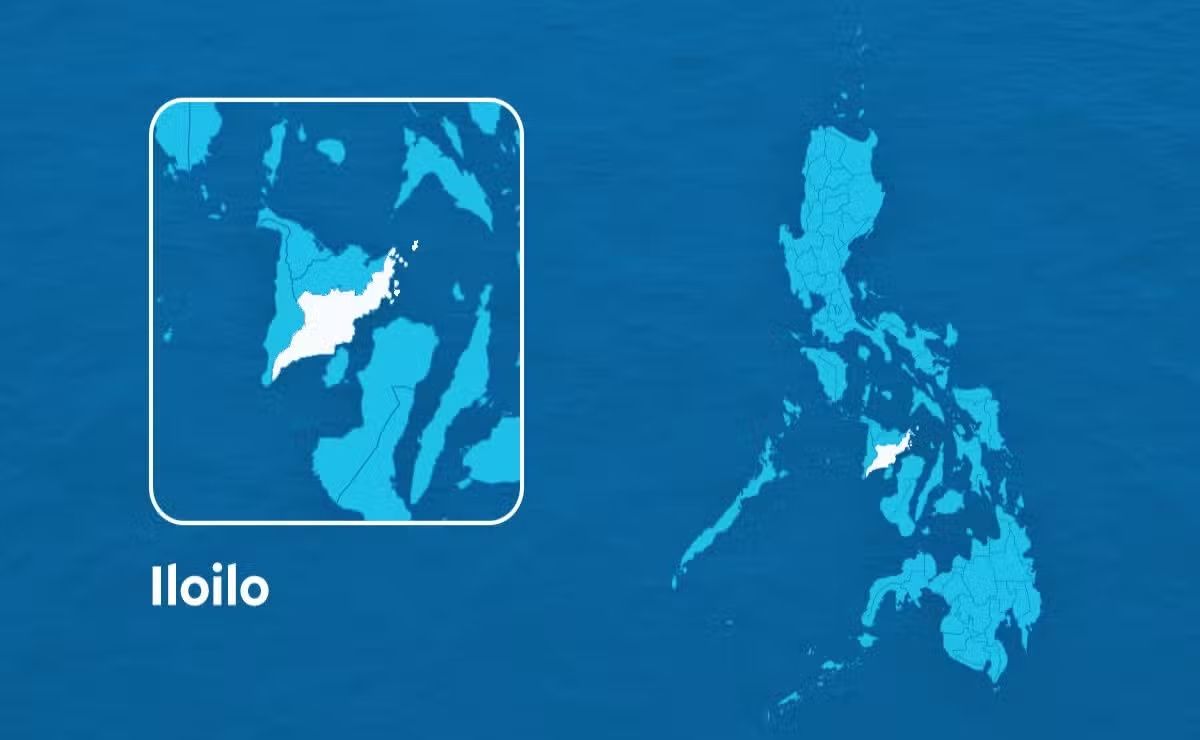
Rey Grabato II, an Ilonggo businessman recently named to the Federal Bureau of Investigation's Most Wanted Fraudsters list, remains in the Philippines, according to confirmation from his family this week. The announcement has drawn significant public attention in his hometown of Iloilo, though his relatives are appealing for measured consideration of the case given his current health circumstances. Mayor Rey Grabato, the businessman's father and town mayor of Mina, Iloilo, acknowledged on Friday that his son is in the province but offered no additional details about his whereabouts or circumstances.
The FBI's designation came on Thursday, August 13, placing Grabato among its most sought fugitives for an array of serious financial crimes. The charges against him encompass conspiracy to commit securities fraud, securities fraud itself, conspiracy to commit wire fraud, wire fraud, and conspiracy to defraud the United States regarding tax matters. The inclusion on this high-profile list represents a significant escalation in what appears to be a complex financial investigation spanning both Philippine and American jurisdictions. Such designations typically follow extensive investigative work and signal that authorities consider the individual a priority for apprehension.
In a statement released Friday evening through his personal Facebook account, Christopher Rey Grabato, the businessman's youngest brother, sought to provide context for the family's position while addressing the allegations indirectly. He emphasised that neither Rey Grabato II nor any authorised family representatives have received formal notice or summons from Philippine or United States authorities at this stage. This distinction is legally significant, as it suggests the family may still be in the initial phases of engagement with authorities or that formal proceedings have not yet commenced. The family's approach appears to balance acknowledgment of the situation with a desire to manage public perception carefully.
The statement pivoted to focusing on Rey Grabato II's serious medical condition, which the family indicates should be a primary consideration in understanding his current situation. According to Christopher Rey's account, the businessman suffered a severe stroke that has left him partially paralysed with continuing substantial limitations affecting his mobility, ability to communicate, and cognitive functioning. He remains under ongoing medical supervision with his family prioritising his treatment, rehabilitation, and general wellbeing. This medical reality complicates any potential legal proceedings and raises questions about his capacity to address charges or appear in court proceedings.
The central allegations relate to activities at the National Realty Investment Advisors (NRIA), an entity that has become the subject of a broader federal investigation into fraudulent financial practices. Christopher Rey's statement attempts to minimise his brother's culpability by citing characterisations from the financial publication Barron's, which is owned by Dow Jones & Company. The statement references reporting in which federal prosecutors allegedly described Grabato's leadership position at NRIA as merely "titular" in nature, suggesting nominal authority without substantive operational control or decision-making power. This distinction, if accurate, could potentially mitigate his individual responsibility for the organisation's alleged misconduct.
According to the family's version of events, the actual governance and operational leadership of NRIA rested with Thomas Nicholas Salzano, who has already been apprehended by federal authorities. By positioning Salzano as the principal figure responsible for the company's activities, the family implicitly argues that their brother held a figurehead position rather than directing the fraudulent schemes allegedly perpetrated by the organisation. This narrative strategy attempts to reframe the situation as one of nominal association rather than active culpability, though the FBI's determination to include Grabato on its Most Wanted list suggests federal authorities take a different view of his involvement.
For Malaysian and Southeast Asian readers, this case illustrates the expanding reach of US financial crime enforcement across the region. The inclusion of a Philippine-based businessman on the FBI's Most Wanted list demonstrates how American authorities pursue financial crimes with significant consequences for targets and their families, regardless of geographical distance. The case also highlights the complexities that arise when individuals face serious federal charges while simultaneously dealing with severe health emergencies, creating genuine complications for both legal proceedings and family dynamics.
The family's public plea for restraint and understanding reflects a broader tension in high-profile fraud cases between the presumption of innocence and the reputational damage that accompanies designation on prestigious crime lists. Their emphasis on medical circumstances and limited formal notice suggests they are preparing for a protracted legal battle while managing immediate health concerns. The characterisation of Grabato's role as merely titular, if ultimately accepted by courts, could significantly alter the trajectory of his case, though the FBI's determination to pursue him indicates prosecutors have evidence contradicting the family's characterisation.
The case remains fluid, with no indication of imminent apprehension or extradition proceedings. The family has committed to addressing legal matters through proper forums and complying with required legal processes, a statement that may signal their eventual cooperation with authorities. Whether Grabato's medical condition will delay or affect any potential proceedings remains unclear, though his current limitations in communication and cognitive functioning could substantially complicate any defence or legal strategy his counsel might pursue in coming months.

