Modern family dynamics in Malaysia demand a fundamental shift in how fathers approach their responsibilities within the household. The National Population and Family Development Board (LPPKN) has underscored that contemporary parenting requires men to embrace roles that transcend the traditional income-earner model, positioning themselves as primary agents of emotional resilience and educational support for their children. This evolving understanding of fatherhood reflects changing social realities and the mounting pressures facing Malaysian families navigating rapidly shifting lifestyle patterns and economic circumstances.
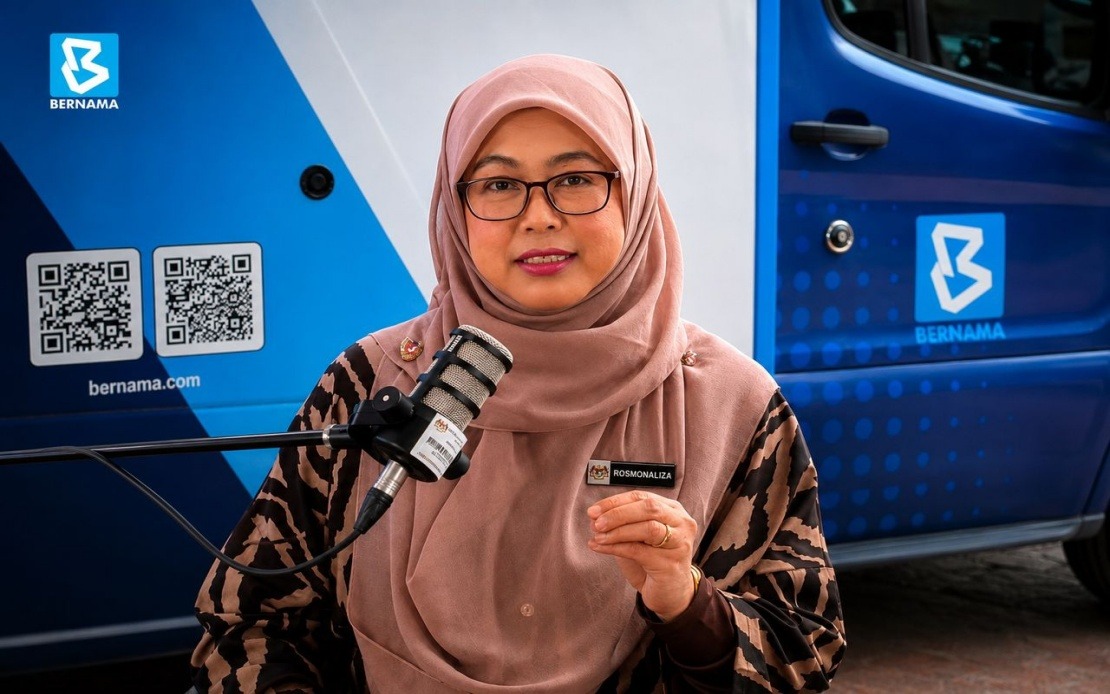
Rosmonaliza Abdul Ghani, director of LPPKN's Family Well-being Division, articulated this reframing during a recent podcast discussion, emphasizing that fathers now occupy a multifaceted position within family units. The traditional conception of fathers as sole financial providers has become insufficient in addressing contemporary family challenges. Instead, modern fathers are expected to function as catalysts for positive change, fostering environments where children develop emotional intelligence, resilience, and strong educational foundations. This expanded role acknowledges that financial security alone cannot substitute for the psychological and developmental benefits that direct paternal involvement provides.
Effective family communication emerges as the cornerstone of this modern paternal engagement. Rosmonaliza emphasized that for fathers to remain meaningful figures in their children's lives, they must cultivate open dialogues about emotions, concerns, and aspirations. This communication framework allows fathers to understand their children's psychological needs, identify early warning signs of distress, and provide timely support. Such engagement proves particularly vital in Malaysia's competitive educational landscape, where parental involvement significantly influences academic outcomes and the development of critical thinking skills.
A noteworthy trend documented by LPPKN reflects growing male willingness to seek professional support. Increasingly, Malaysian men are overcoming cultural stigma and traditional masculine expectations to attend counselling sessions, both individually and with their families. This shift indicates a broader acceptance of mental health as essential to family stability. Rosmonaliza noted that men facing financial strain, mental health challenges, or life transitions are gradually recognizing that professional guidance strengthens rather than undermines their capacity to serve as effective family leaders and emotional anchors.
LPPKN's comprehensive support infrastructure offers Malaysian fathers multiple pathways to enhance their effectiveness within family systems. The board provides counselling services, therapeutic interventions, and personality assessments tailored to address the specific pressures confronting contemporary men. These resources recognize that fathers often bear unique burdens—workplace stress, financial responsibility, societal expectations—that can accumulate into serious psychological consequences. By establishing a non-judgmental space where men can articulate their struggles, LPPKN addresses a critical gap in Malaysian family support systems, preventing the isolation that frequently exacerbates personal crises.
The absence of active paternal figures produces cascading social consequences that extend far beyond individual families. Field experience with urban poor and street children demonstrates that family breakdown rooted in paternal disengagement frequently precedes involvement in drug abuse, petty crime, and educational failure. The correlation between absent or dysfunctional father figures and social problems appears particularly pronounced among economically disadvantaged communities, where limited resources amplify the destabilizing effects of parental absence. This suggests that interventions strengthening paternal involvement simultaneously function as preventative measures against broader social pathology.
Addressing paternal challenges requires nuanced, compassionate approaches rather than punitive frameworks. Practitioners working with struggling fathers have found that rigid, judgmental responses often entrench defensiveness and resistance. Instead, strategies grounded in religious values, cultural respect, and recognition of family principles create openings for behavioral transformation. Such approaches acknowledge that many fathers facing significant difficulties simultaneously struggle with shame, inadequacy, and fractured self-identity. Compassionate engagement helps rebuild their capacity to function as responsible household leaders, restoring both personal agency and family stability.
The reciprocal nature of family support deserves equal emphasis in contemporary discussions of paternal roles. Rosmonaliza highlighted that spouses and children themselves constitute essential resources for helping fathers navigate life's pressures. When family members actively appreciate paternal efforts, acknowledge sacrifices, and provide emotional validation, fathers develop resilience against depression and hopelessness that might otherwise drive destructive coping mechanisms. Children, in particular, require age-appropriate understanding of their father's challenges, cultivating empathy rather than resentment and creating psychological space for meaningful connection.
Quality time and paternal presence function as irreplaceable developmental resources for Malaysian children. Rosmonaliza's observation that children increasingly defer appreciation for their fathers' sacrifices until adulthood reflects a troubling tendency to underestimate immediate psychological benefits of paternal engagement. Research across cultures consistently demonstrates that children prioritize parental presence and emotional attentiveness far more than material provision. The time fathers invest in conversation, shared activities, and emotional availability shapes children's attachment patterns, emotional regulation abilities, and capacity for healthy relationships throughout life—benefits that material accumulation cannot replicate.
For Malaysian families specifically, strengthening paternal engagement addresses multiple policy priorities simultaneously. Enhanced father involvement correlates with improved educational outcomes, reduced youth at-risk behavior, and more stable household financial management. Given Malaysia's ongoing challenges with school dropout rates among disadvantaged communities, substance abuse among young people, and family instability, interventions that activate fathers as partners in family well-being represent cost-effective strategies for broader social improvement. LPPKN's emphasis on this dimension of family support reflects recognition that sustainable solutions to social challenges must involve men as active participants in transformation rather than perpetual targets of intervention or blame.
The broader implication of LPPKN's messaging extends to Malaysian workplace culture and policy frameworks. If contemporary fatherhood demands genuine emotional engagement and educational involvement, employers and policymakers must create structural conditions enabling such participation. Flexible working arrangements, parental leave policies that include fathers, and workplace cultures that normalize discussion of family responsibilities become essential supports for transforming fatherhood in practice rather than rhetoric. Malaysia's economic development aspirations cannot be fully realized while half the population remains confined to narrow, outdated role definitions that prevent them from contributing their full humanity to family and community life.

