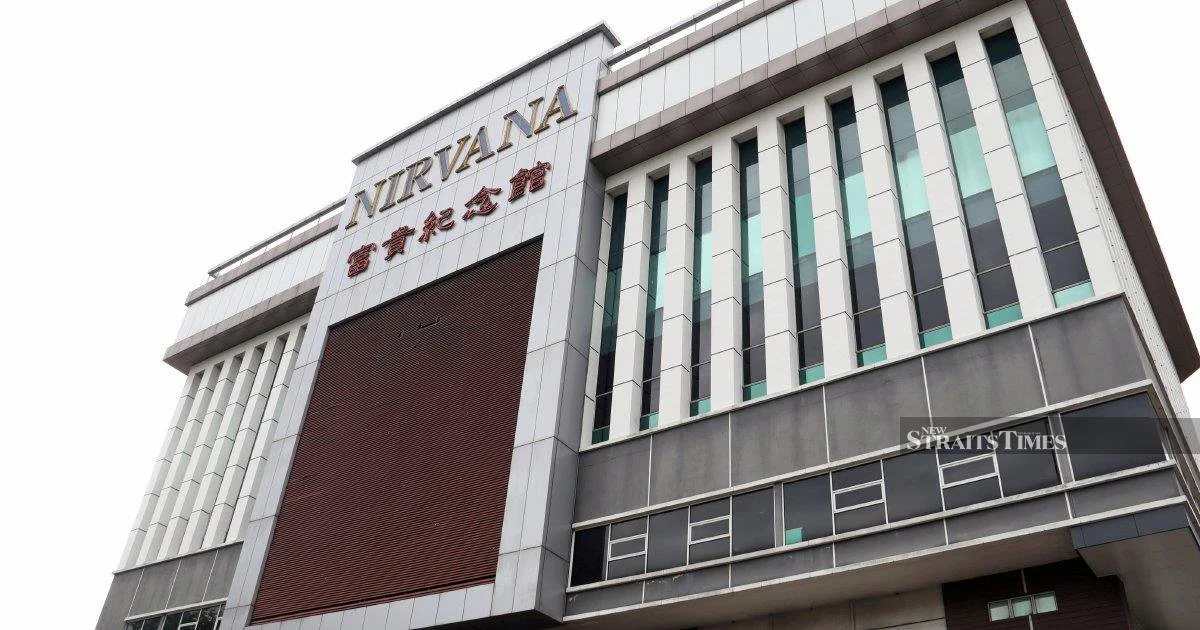
A grieving family in Shah Alam has initiated legal proceedings against Nirvana Memorial Park (Shah Alam) Sdn Bhd, citing negligence and loss following the alleged theft of two urns holding their deceased parents' ashes from the facility's columbarium earlier this year. The case highlights growing concerns about the security and safeguarding standards at cremation and burial facilities across Malaysia, raising questions about how memorial parks protect one of the most sensitive possessions entrusted to their care.
The incident, which occurred in January, represents more than a simple property loss. For many Malaysian families, particularly those observing Buddhist, Hindu, or other religious traditions requiring cremation, the ashes of loved ones hold profound spiritual and emotional significance. The disappearance of these remains strikes at the heart of final rites and ancestral veneration practices deeply embedded in Malaysian culture. The alleged theft underscores vulnerabilities in how some memorial facilities manage their security protocols and inventory systems.
Memorial parks across Malaysia have become increasingly popular as alternatives to traditional burial grounds, driven by limited land availability in urban areas and changing family preferences regarding end-of-life arrangements. However, the expansion of the industry has not always been matched by corresponding improvements in security infrastructure and staff training. Many facilities operate with minimal oversight, relying on basic CCTV systems and limited staff supervision, particularly during off-peak hours. The alleged incident at Nirvana Memorial Park suggests that even established operators may face challenges in maintaining adequate protection over stored remains.
The legal action centres on allegations of negligence, implying that the family believes the memorial park failed in its duty of care to properly secure and monitor the columbarium. Such negligence claims typically require demonstrating that the facility breached its obligation to maintain reasonable security standards. In Malaysia's civil law framework, memorial park operators are expected to exercise reasonable precautions proportionate to the value and sensitivity of what they are storing. The family's lawyers will likely need to establish what security measures were in place, whether those measures met industry standards, and how the alleged theft could have occurred despite those safeguards.
For other families with ashes stored at memorial parks nationwide, this lawsuit carries immediate practical implications. Many may now question whether their loved ones' remains are adequately protected. The case could prompt a broader examination of security standards across the cremation and memorial services industry, potentially leading to calls for enhanced regulations. Industry bodies and the government may face pressure to establish minimum security requirements, mandatory insurance coverage, and clearer compensation frameworks for such incidents.
Nirvana Memorial Park operates multiple facilities throughout Malaysia and is among the larger players in the memorial services sector. The company has not publicly commented on the specific allegations, but operators in this industry typically maintain that they employ standard security protocols. The outcome of this lawsuit will likely set precedent for how similar cases are handled in Malaysian courts and may influence industry practices going forward. If the family's negligence claims succeed, it could establish legal liability standards that other memorial parks must meet.
The timing of the incident—January—falls outside the peak visitation seasons for many memorial parks in Malaysia, when family members typically visit during festive periods like Chinese New Year, Deepavali, or Thaipusam. This temporal aspect may be relevant to the negligence claim, as it could suggest reduced security vigilance during quieter periods. The family's lawsuit will need to examine whether staffing levels were appropriate and whether security monitoring was maintained consistently throughout the year.
Beyond the specific circumstances of this case, the broader issue reflects Malaysia's evolving relationship with modern memorial services. As urbanisation accelerates and traditional family structures shift, more Malaysians are opting for cremation and columbarium storage rather than in-ground burial. This trend places greater responsibility on memorial parks to maintain high standards of security, record-keeping, and customer service. The incident at Nirvana Memorial Park serves as a cautionary example of what can occur when facilities fail to implement robust protective measures.
The legal battle ahead will likely involve detailed discovery processes, including examination of security camera footage, access logs, staffing records, and internal procedures. The courts will need to assess what a reasonable memorial park operator would have done under similar circumstances. Expert testimony regarding industry standards may play a crucial role in determining whether the facility's security measures fell below acceptable thresholds. Additionally, the case may address questions about compensation—what financial remedy is appropriate for the emotional and spiritual harm caused by the loss of a loved one's remains.
Malaysian families affected by similar incidents in the past may also view this lawsuit with interest, potentially bringing their own cases forward or seeking out-of-court settlements. The publicity surrounding the Nirvana Memorial Park case could serve as a catalyst for industry-wide reforms. Consumer associations and religious organisations may intensify calls for mandatory security audits, clearer liability frameworks, and better protection mechanisms for families using these services.
Moving forward, the outcome of this lawsuit will likely influence how memorial park operators across Malaysia approach security investments and operational protocols. Whether the courts find Nirvana Memorial Park liable for negligence remains to be determined, but the case has already succeeded in drawing public attention to an overlooked aspect of funeral services—the protection of cremated remains. For a grieving family seeking justice and closure, the legal process represents a difficult but necessary step toward accountability and preventing similar incidents.

