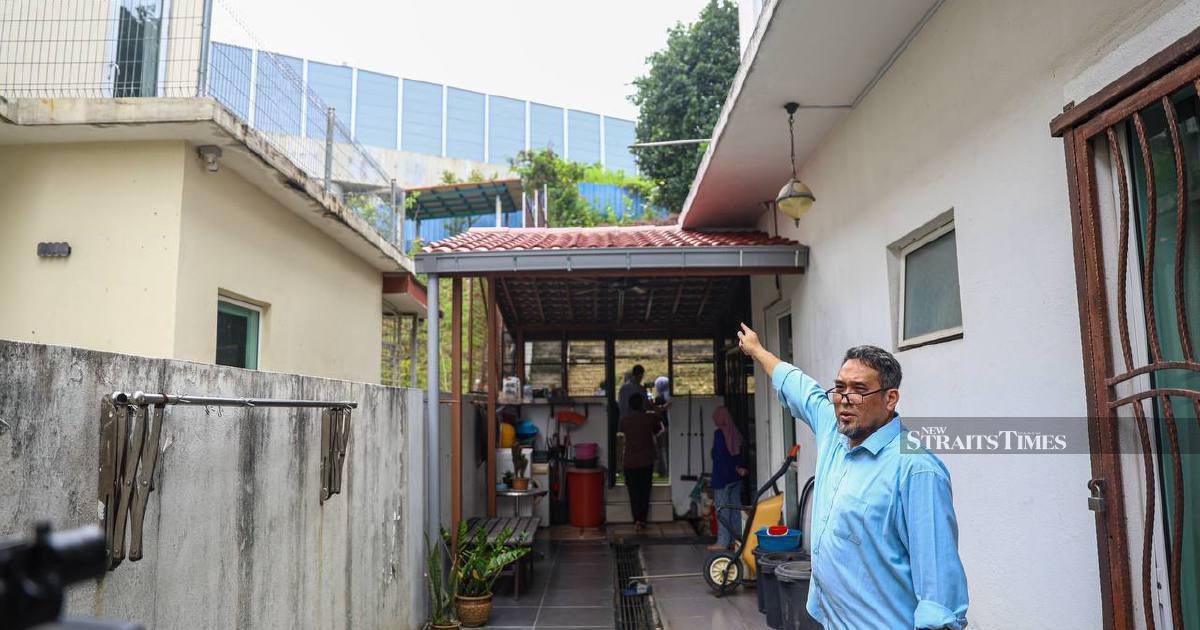
A family in Kuala Lumpur has initiated legal proceedings valued at RM1.33 million against three entities connected to the East Coast Rail Link project, contending that construction activities have undermined the safety and structural stability of their residence. The lawsuit represents an escalation of concerns surrounding potential collateral damage from the ambitious rail infrastructure initiative, which has encountered various challenges since its inception.
The ECRL, one of Malaysia's most significant transport infrastructure projects, has been the subject of increased scrutiny in recent years regarding its execution and impact on surrounding communities. The project's scope—connecting Port Klang in Selangor with Kota Bharu in Kelantan—spans across multiple states and involves substantial excavation and construction work in densely populated and suburban areas. This geographical spread has created potential friction points where residential properties lie in proximity to active construction zones.
Structural damage claims related to major infrastructure projects are not uncommon in Malaysia, though they often remain unreported or settled quietly between parties. The decision by this family to pursue formal legal action suggests either a breakdown in settlement negotiations or a belief that the damage warrants public adjudication. The specific allegations regarding compromised safety and integrity indicate concerns that extend beyond superficial cracks or minor disturbances, potentially encompassing foundation problems, subsidence, or more serious structural compromises.
Construction-adjacent property damage typically arises from multiple sources: vibration from heavy machinery and blasting operations, ground settlement due to tunnelling or excavation, water table disruption, or direct physical impact. The ECRL's nature as a rail project involving underground sections in certain areas makes these risks particularly relevant. Identifying culpability among multiple contractors and project entities often becomes legally complex, as does establishing the causal link between specific construction activities and documented damage.
The involvement of three distinct parties in the lawsuit suggests a comprehensive approach to attributing responsibility. These could encompass the primary contractor, a subcontractor, and the project owner or supervisor entity. Distributing liability among multiple defendants is a common legal strategy in infrastructure-related damage claims, as it increases the likelihood of recovery and reflects the reality that project execution involves layered organizational structures with shared accountability.
For Malaysian homeowners residing near major infrastructure projects, this case illustrates the potential vulnerabilities they face. Property insurance policies often exclude damage caused by nearby construction activities, leaving residents to pursue legal remedies independently. The costs associated with structural assessment, legal representation, and prolonged litigation can be substantial, creating an unequal dynamic where affluent homeowners are more likely to pursue claims than those with limited financial resources.
The ECRL project itself has faced multiple setbacks and criticisms, including cost overruns and delays. This lawsuit introduces another dimension of complexity, as construction disputes and claims can further extend timelines and inflate expenses. Project developers and contractors typically incorporate contingency budgets for such claims, but systemic issues with construction practices or site management may indicate more pervasive problems affecting multiple properties beyond those formally litigating.
From a regulatory perspective, this case raises questions about the adequacy of pre-construction impact assessments and ongoing monitoring mechanisms. Construction impact management should ideally include baseline structural surveys of nearby properties, continuous monitoring during active work, and rapid response protocols for addressing damage. The severity of the allegations in this lawsuit suggests potential gaps between established procedures and actual implementation on the ground.
The outcome of this dispute could establish important precedent for future infrastructure projects in Malaysia, particularly regarding standards of care, liability thresholds, and compensation calculation methods. Should the family succeed, it might embolden other affected homeowners to pursue similar claims and could incentivize stricter construction management practices across the industry. Conversely, if the defence proves successful, it may reflect the legal difficulty of establishing definitive causal links between construction activities and structural damage.
Regional observers of Malaysia's infrastructure development model are likely monitoring this case closely. Southeast Asian nations are simultaneously pursuing ambitious infrastructure expansion while grappling with community impacts and environmental justice concerns. How Malaysian courts handle construction-related property damage claims may influence regulatory approaches and corporate practices across the region.
The broader context matters too: Malaysia's economy relies on sustained infrastructure investment to support growth, yet this must be balanced against the legitimate interests of property owners. The RM1.33 million claim, while substantial in absolute terms, represents what could be modest compensation if the structural damage is extensive. Insurance companies and legal analysts will be watching to determine whether damages awarded reflect actual costs of remediation or incorporate softer factors such as diminished property value and inconvenience.
This lawsuit serves as a reminder that large-scale infrastructure projects, while beneficial to national development, create real costs for proximate communities. Ensuring fair mechanisms for identifying, assessing, and compensating such impacts remains an ongoing challenge for project developers and regulators. The family's decision to pursue this claim publicly underscores growing expectations that those responsible for major projects should bear the costs of unavoidable collateral damage to private property.

