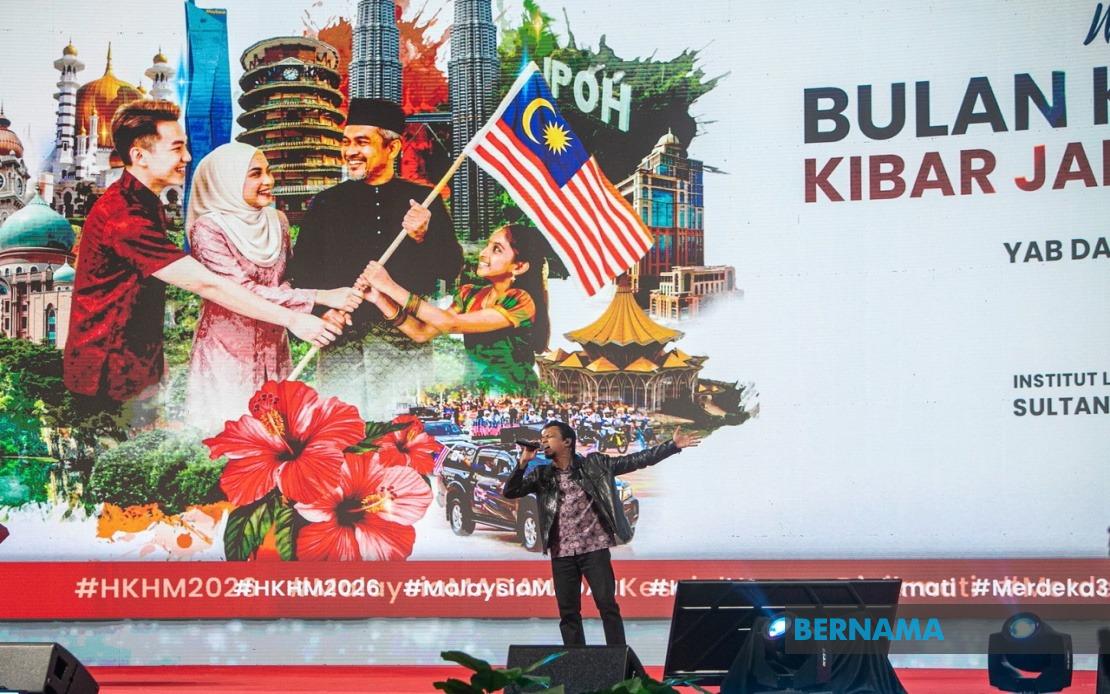
Malaysian recording artist Faizal Tahir has been selected to contribute the official theme song for the nation's 2026 National Month and Fly the Jalur Gemilang Campaign celebrations. The composition, titled 'Aku Berjanji', made its public debut at a formal launch event held at the Sultan Azlan Shah Ministry of Health Malaysia Training Institute, marking a significant moment in the country's annual patriotic programming.
The two-minute-29-second track represents Tahir's artistic attempt to capture Malaysia's collective identity through music. According to the artist, the composition weaves together thematic elements centring on national cohesion, mutual solidarity, and citizens' devotion to safeguarding the country's independence and territorial integrity. The choice reflects an official strategy to leverage popular entertainment as a vehicle for reinforcing national consciousness during the significant commemorative period.
Tahir expressed considerable pride in receiving the designation, describing it as a meaningful acknowledgement of his two-decade career spanning the Malaysian music industry. Speaking to media representatives following the unveiling, he underscored his hope that the composition would resonate with the broader Malaysian populace and serve as a unifying cultural expression. His remarks emphasised music's potential to transcend linguistic and demographic divisions, creating common emotional ground among listeners from diverse backgrounds.
The production timeline for 'Aku Berjanji' spanned approximately one month from conception to completion, though preliminary conceptualisation of a patriotic musical work had commenced around May. This relatively compressed development schedule highlights the deliberate coordination between the artist and relevant government agencies in commissioning and finalising the official anthem. The efficient turnaround suggests careful pre-planning and clear artistic direction from commissioning bodies.
Faizal Tahir's trajectory through Malaysian entertainment carries particular resonance given his selection for this high-profile national role. His prominence within the industry crystallised following his runner-up placement in the 2006 reality television programme "One In A Million", which served as a launching platform for numerous subsequent Malaysian music talents. The programme's format of identifying and developing performance capability through competitive audience evaluation proved instrumental in establishing his credibility and public recognition.
The designation of an artist-composed theme song represents an established Malaysian governmental tradition during National Month observations. These annual compositions typically transcend mere ceremonial function, becoming embedded within popular cultural memory and contributing to the nation-building narrative throughout the designated month and beyond. Such compositions often experience sustained radio airplay and digital streaming, extending their reach far beyond initial launch events.
The strategic selection of a domestically-produced composition reflects broader cultural policy objectives prioritising local creative industries. By commissioning established Malaysian artists rather than international acts, government agencies reinforce narratives of national self-sufficiency and creative capability. This approach simultaneously provides commercial and reputational benefits to participating artists, creating mutual reinforcement between state institutions and the entertainment sector.
For Malaysian audiences and regional observers, the unveiling of such official cultural productions functions as a barometer of governmental messaging priorities during any given year. The thematic emphasis within 'Aku Berjanji' on unity and sovereignty defence suggests 2026 National Month programming will prioritise cohesion narratives, potentially reflecting contemporary political considerations regarding national stability and collective identity. The lyrical and musical substance of officially-endorsed compositions frequently carry implications extending beyond their nominal celebratory purpose.
The public reception of Tahir's composition will substantially influence its ultimate cultural impact and longevity within Malaysian popular consciousness. Initial response metrics from broadcast outlets, streaming platforms, and grassroots adoption will determine whether 'Aku Berjanji' achieves the status of a genuinely memorable national anthem or remains confined to its immediate ceremonial context. Success in this regard requires both artistic merit and alignment with widespread public sentiment regarding national pride and collective identity.
Moving forward, the composition's integration within National Month programming across educational institutions, government agencies, and commercial broadcasting will shape its visibility and cultural penetration. The song's availability through multiple distribution channels—radio networks, social media platforms, official government websites, and live performances at formal ceremonies—will facilitate exposure across generational and socioeconomic demographics. Such comprehensive distribution represents a substantial platform for Tahir's artistic contribution and career advancement.

