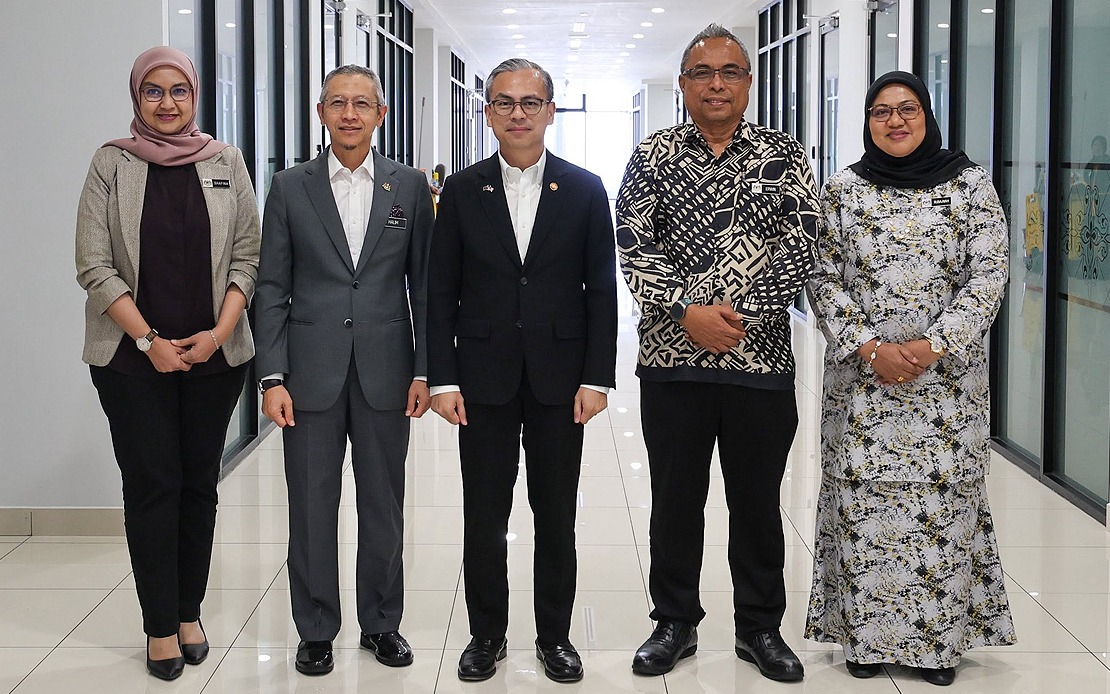
Communications Minister Datuk Fahmi Fadzil has offered his formal congratulations to Erwin Khairul Ahmad, who assumes the role of director-general at the Information Department (JaPen), and Wan Saidatul Shafina Mohd Amin, appointed as deputy director-general overseeing digital content operations. The appointments represent significant leadership transitions within a department that serves as a cornerstone of Malaysia's government communications strategy, tasked with disseminating official information to the public across multiple platforms and audiences.
In his remarks following the announcement, Fahmi emphasised the importance of the new leadership team bringing sustained commitment and principled governance to their respective positions. He called upon both appointees to approach their duties with dedication and wisdom while maintaining the vigour necessary to advance the department's mandate. The minister's statement underscores the government's expectation that JaPen will continue strengthening its capacity as a credible and efficient channel for conveying information to Malaysian citizens at a time when information ecosystems have grown increasingly complex.
The transition at JaPen's helm reflects broader considerations about institutional continuity and renewal within Malaysia's civil service. Erwin Khairul's elevation to the top position comes with the weight of rebuilding public confidence in official communications, particularly given the evolving media landscape where traditional government messaging must compete with digital platforms and social media narratives. The appointment of Wan Saidatul Shafina as deputy director-general with specific responsibility for digital content signals a deliberate strategic shift toward digital-first communication approaches, acknowledging that younger audiences and increasingly urbanised populations consume information through online channels rather than conventional media.
Fahmi extended his gratitude to departing director-general Julina Johan, recognising her tenure and the contributions she made during her time leading the department. Acknowledging outgoing leaders is customary in Malaysia's civil service culture, and Fahmi's public recognition of Johan's service represents an attempt to maintain positive institutional memory while signalling a clear transition to new priorities and approaches under fresh leadership. This gesture also reflects the professional standards expected within government agencies, where transitions are managed with dignity and respect for past stewardship.
The formal appointment letters were presented by Tan Sri Wan Ahmad Dahlan Abdul Aziz, director-general of the Public Service Department (JPA), during an official ceremony. This ceremonial aspect of the appointment process underscores the significance attributed to these leadership positions within Malaysia's administrative hierarchy. The involvement of JPA in overseeing these transitions ensures standardisation and adherence to civil service protocols, maintaining the institutional integrity of the appointment process across government departments.
JaPen's strategic importance extends beyond routine communication functions. As Malaysia's primary official information agency, the department plays a vital role during national crises, policy announcements, and government initiatives. The appointment of new leadership at this juncture may signal government attention to how public institutions communicate amid heightened public scrutiny and demands for transparency. Both appointees inherit a department responsible for managing information that reaches millions of Malaysians daily through press releases, official websites, social media accounts, and media briefings.
The elevation of digital content to a deputy director-general position reflects contemporary governance realities. Digital platforms have become primary news sources for significant segments of Malaysia's population, and government institutions must adapt their communication strategies accordingly. By creating a dedicated senior position for digital operations, JaPen signals its intent to compete effectively in the digital information space while maintaining traditional communication channels that serve older demographics and rural communities with limited internet access.
The timing of leadership appointments in government agencies often coincides with broader policy reviews and strategic planning cycles. The transition at JaPen may indicate government intention to reassess how official information is produced, packaged, and disseminated across increasingly fragmented media ecosystems. Both Erwin Khairul and Wan Saidatul Shafina will face expectations to modernise departmental operations while maintaining the credibility and accuracy that public communications demand.
For Malaysian citizens and stakeholders, these leadership changes carry practical implications. Government announcements, policy clarifications, and official responses to public concerns will be channelled through these new appointees and their teams. The effectiveness and responsiveness of JaPen under new leadership will influence public perception of government transparency and accountability. Citizens seeking reliable official information will depend on these leaders' capacity to deliver timely, accurate, and accessible communications across multiple platforms and languages.
The broader context of these appointments reflects Malaysia's ongoing evolution as a digital economy with modernising governance structures. Both appointees inherit an organisation tasked with navigating complex challenges including managing misinformation, maintaining credibility amid polarised public discourse, and adapting communications strategies to reach diverse demographic groups with varying media consumption habits. Success in these roles will require balancing traditional government communication norms with innovative approaches that resonate with contemporary audiences and stakeholders.