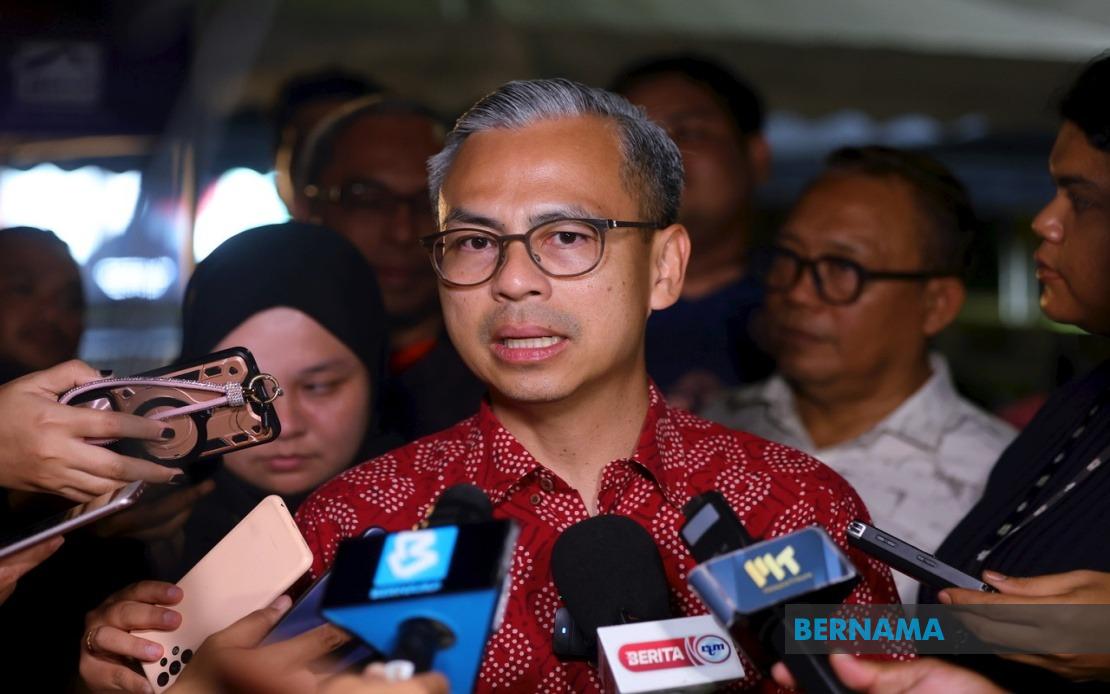
The Pakatan Harapan coalition has launched a sharp rebuke of Kedah Menteri Besar Datuk Seri Muhammad Sanusi Md Nor, with the bloc's communications director Datuk Seri Fahmi Fadzil arguing that the state leader's recent statements on racial matters exemplify a troubling approach to politics that prioritises division over cohesion. Speaking at an event in Jempol on July 25, Fahmi characterised Sanusi's pronouncements as reflecting a wider tendency within the PAS party hierarchy to invoke racial sensitivities as a political tool, a practice he contended runs counter to Malaysia's long-standing commitment to national solidarity.
Sanusi had earlier stated that Malaysia represents a homeland exclusively for Malays, suggesting that other ethnic communities possess alternative countries of origin in India and China. The Kedah leader, who also holds the position of PAS central election director, made these comments during a Barisan Nasional and Perikatan Nasional joint dialogue held in conjunction with the Negeri Sembilan state election campaign. Such pronouncements, Fahmi argued, breach the fundamental principles upon which Malaysian politics ought to operate, particularly in an era when the nation has long established its independence and pursued unity as a core national objective.
Fahmi's critique extends beyond Sanusi's individual remarks to implicate the broader leadership culture within PAS itself. He pointed to earlier statements from PAS president on immigration-related matters as evidence of a systemic problem rather than isolated incidents. This pattern, according to the PH communications chief, suggests a deliberate strategy within the Islamic party to leverage divisive messaging as a political mobilisation tool. For a multiethnic nation like Malaysia that has invested considerable effort in building shared identity and cohesion, such an approach represents a concerning regression in political discourse and civic conduct.
The minister called for all political actors to redirect their energies toward promoting understanding across Malaysia's diverse communities rather than exploiting fault lines for partisan advantage. With National Month celebrations having recently taken place and Malaysia having enjoyed decades of independence, Fahmi contended that contemporary political leaders bear a heightened responsibility to model inclusive behaviour and champion messages of unity. He expressed hope that Sanusi might reflect upon and alter his stance, though he tempered this with scepticism about the likelihood of such a change materialising.
Beyond the Sanusi affair, Fahmi also addressed comments made by MARA chairman Datuk Dr Asyraf Wajdi Dusuki regarding the Negeri Sembilan state election. Asyraf Wajdi had suggested that Democratic Action Party secretary-general Anthony Loke could potentially assume the Menteri Besar position should incumbent Menteri Besar Datuk Seri Aminuddin Harun lose the upcoming polls. Fahmi highlighted that the Negeri Sembilan Constitution has explicitly reserved the Menteri Besar office for Malays since its original enactment, rendering Asyraf Wajdi's speculation constitutionally unfounded. He called upon the MARA chairman to issue a public apology to Negeri Sembilan residents for what he characterised as a factually erroneous and potentially inflammatory statement.
The Pakatan Harapan leader also dismissed predictions from former Rembau MP Khairy Jamaluddin regarding Malay voter support for the opposition coalition in Johor, where Khairy claimed PH enjoys approximately 10 per cent backing among Malay voters. Fahmi contended that political dynamics vary significantly across different states and that Negeri Sembilan presents a distinct electoral landscape. He expressed confidence in the incumbent Aminuddin administration, noting its demonstrated track record in addressing the welfare concerns of all community segments irrespective of ethnic background or religious affiliation.
The conversation also touched upon speculation regarding the timing of Malaysia's next general election. UMNO deputy president Datuk Seri Mohamad Hasan had previously suggested that the 16th general election might occur by year-end, prompting media questions about the possibility of an early poll. Fahmi clarified that no such discussion has occurred within the Cabinet, characterising Mohamad Hasan's comments as merely personal conjecture rather than informed government position. This distinction matters significantly for political clarity and market confidence, as early elections could disrupt economic stabilisation efforts currently underway.
Fahmi emphasised that Prime Minister Datuk Seri Anwar Ibrahim and the current Cabinet remain focused on stabilising Malaysia's economic trajectory and recovering from destabilising effects of geopolitical conflicts affecting West Asia. Rather than engaging in protracted political manoeuvring or pursuing premature electoral contests, the government has prioritised macroeconomic management and regional stability. This approach reflects a pragmatic understanding that excessive political uncertainty can undermine investor confidence and complicate the nation's economic recovery path.
The broader context of these exchanges reveals underlying tensions within Malaysia's political ecosystem as it approaches crucial state elections and prepares for an eventual general election within the prescribed constitutional timeframe. The Negeri Sembilan polls have become a proxy battle between different visions of Malaysian politics, with Pakatan Harapan advancing inclusivity and competent administration against alternative approaches that appear to privilege identity-based messaging. For Southeast Asian observers, Malaysia's political evolution remains significant given the country's multicultural composition and historical role as a regional democratic example.
Fahmi's intervention reflects Pakatan Harapan's effort to reframe political discourse around substantive governance questions and inclusive citizenship rather than divisive identity appeals. Whether such framing proves persuasive to voters will become apparent as the Negeri Sembilan election approaches and as the broader political landscape solidifies ahead of the general election cycle. The coalition appears to be banking on voter fatigue with divisive rhetoric and demonstrated appetite for administrations focused on delivering tangible benefits across all communities.

