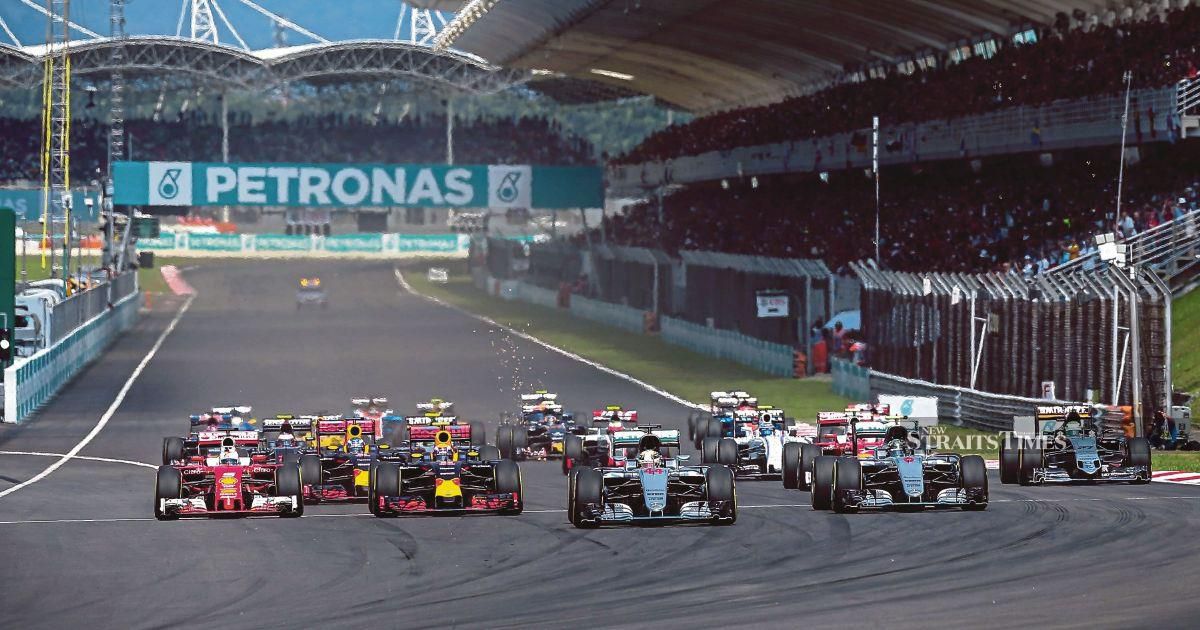
Malaysia's return to the Formula 1 Grand Prix calendar this October will feature a grassroots accessibility initiative designed to democratize attendance at one of motorsport's most exclusive events. Prime Minister Datuk Seri Anwar Ibrahim has unveiled a tiered ticket pricing structure anchored by the Madani offering, which begins at RM200 and represents a deliberate effort to extend the experience beyond the traditional demographic of high-income enthusiasts.
The Madani ticket scheme reflects a broader policy objective to ensure that major international sporting events generate tangible benefits across Malaysian society rather than remaining the preserve of affluent ticket holders. By reducing the entry barrier to a price point accessible to middle and working-class families, the initiative signals confidence that sustained demand exists among ordinary Malaysians who have followed Formula 1 through television coverage and digital platforms but lacked affordable opportunities to attend in person. This calculation proves particularly significant given Malaysia's diverse income distribution and the sport's growing popularity among younger audiences in Southeast Asia.
Sepang International Circuit's return to the F1 calendar after a hiatus marks a milestone for Malaysian motorsport infrastructure and national sporting prestige. The circuit, located in Selangor's suburban sprawl approximately 50 kilometres south of Kuala Lumpur, has undergone intermittent upgrades to meet contemporary technical requirements while preserving the challenging characteristics that made it a favoured venue among drivers and engineers. The October timing slots the Malaysian Grand Prix into the latter half of the F1 season, a period when championship narratives often intensify and global television audiences concentrate their attention, amplifying the international profile Malaysia gains from hosting.
The specific price architecture warrants examination because it reveals strategic thinking about demand segmentation. At RM200, the Madani ticket likely provides general admission with potentially restricted sightlines or limited facility access—the conventional approach to entry-level pricing at major sporting venues. Higher price tiers presumably offer premium positioning along key racing points, hospitality packages, and amenities that justify prices rising into the thousands of ringgit. This graduated structure enables the organizers to maximize attendance revenue while simultaneously capturing a portion of price-sensitive consumers who would otherwise abstain.
For Malaysian motorsport enthusiasts, the announcement represents vindication of persistent campaigns to retain or reclaim F1 status after the race departed the calendar in 2017 following financial disputes between the Malaysian Government and the rights holder. The intervening years witnessed declining investment in local racing talent development and reduced international visibility for Malaysian drivers aspiring to progression through junior formulas toward professional opportunities. The race's restoration creates renewed appetite for motorsport facilities, technical education, and spectator interest that can cascade through the sporting ecosystem.
The economic ramifications extend beyond ticket sales into hospitality, transportation, accommodation, and retail sectors. The Malaysian Grand Prix historically attracted international visitors requiring hotel accommodation in and around Kuala Lumpur, restaurant services, car rentals, and retail spending. While the pandemic and digital trends have altered travel patterns, a major sporting event still generates measurable economic activity concentrated over a multi-day period. Local businesses positioned to service visiting fans benefit from the traffic influx, though infrastructure capacity and crowd management will test Selangor's readiness.
Regional implications merit consideration within Southeast Asia's sporting competition hierarchy. Thailand's Bangkok street circuit hosts F1, while Singapore's Marina Bay circuit represents the region's premier Formula 1 venue with its night race infrastructure and luxury positioning. Malaysia's re-entry introduces competitive dynamics concerning audience distribution, sponsorship commitments, and broadcaster interest across Southeast Asian markets. The affordable Madani ticket strategy implicitly positions Malaysia as the accessible alternative to Singapore's premium positioning, potentially differentiating the market proposition to regional audiences.
Logistical execution will determine whether the Madani ticket concept translates into operational success. Ticketing systems must prevent secondary market exploitation where resellers purchase at RM200 then resell at markup prices to capture consumer surplus. Crowd management at Sepang requires coordination between circuit operators, law enforcement, transportation authorities, and event security to handle expected attendance volumes. The October date places the event within Malaysia's monsoon season, introducing weather variables that could affect spectator experience and track conditions during practice and qualifying sessions.
For Formula 1's commercial model, Malaysia's affordable entry strategy challenges assumptions about pricing power at emerging markets. Global rights holders have historically maximized per-ticket revenues at established markets while maintaining premium pricing internationally to signal exclusivity. The Madani approach suggests different elasticity in Malaysian demand, or government-backed willingness to trade immediate per-ticket revenue for volume and public legitimacy. This tension between commercial maximization and populist accessibility will likely feature in F1's engagement with other markets reconsidering their involvement.
The initiative also reflects competitive positioning within Malaysia's national sporting calendar, where government support increasingly gravitates toward events generating international visibility and demonstrating broad social benefit rather than concentrating benefits among narrow elite audiences. The Madani ticket pricing aligns symbolically with the current administration's stated economic philosophy emphasizing inclusive growth and wider stakeholder participation.
As preparations proceed for October's race, attention will focus on actual attendance figures, demographic composition of ticket purchasers, and operational performance metrics. Success will validate the affordable-access model and likely inform future F1 negotiations with other Southeast Asian nations or returning venues. Conversely, underperformance could prompt retreat to higher-margin pricing strategies that limit accessibility despite initial intentions. Malaysia's F1 return thus carries significance extending well beyond motorsport, testing whether premium international sporting events can genuinely democratize access without compromising commercial viability or quality of experience.

