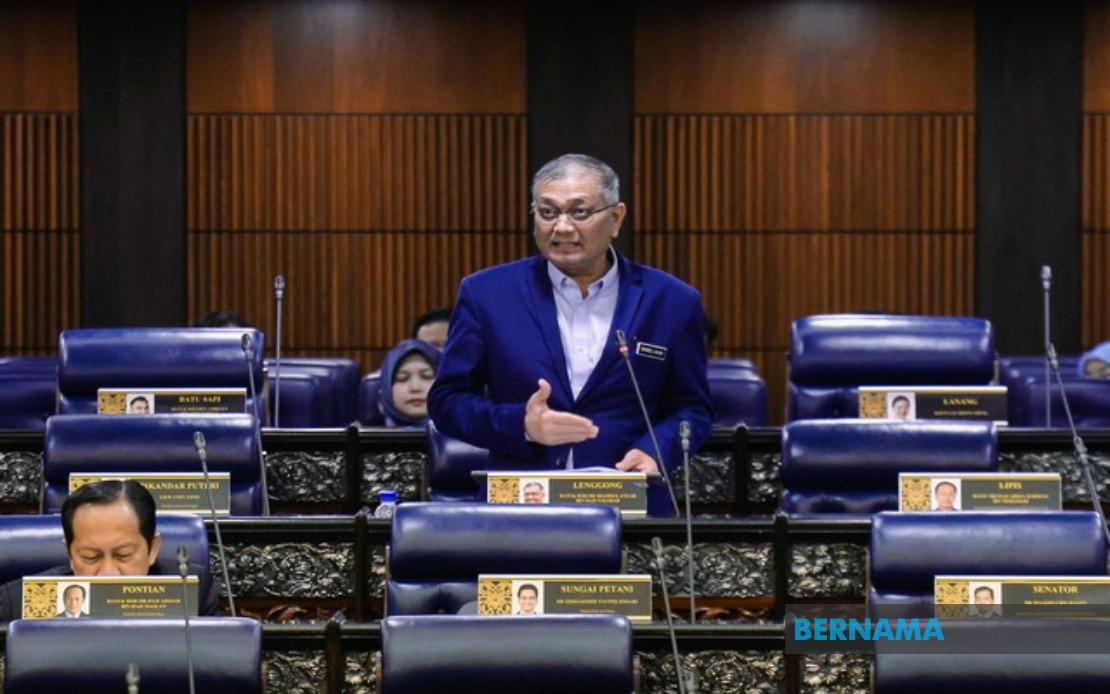
The Home Ministry has moved to defend the use of extra drills and field duties within the Royal Malaysia Police, characterising such measures as corrective tools designed to strengthen discipline among officers rather than punitive practices intended to inflict harm. Deputy Minister Datuk Seri Dr Shamsul Anuar Nasarah made the clarification in response to parliamentary questions concerning the procedures governing these assignments, which have drawn increased attention following the death of a policeman in Sepang during May this year.
The disciplinary mechanism operates under Paragraph 32 of the Inspector-General of Police's Standing Orders (PT KPN) A110 on Discipline, which specifically addresses how minor infractions should be handled among police ranks. The ministry's position distinguishes between formal disciplinary action and these field duty assignments, framing the latter as an intermediate approach designed to reshape behaviour and instil professional values without resorting to more severe career consequences. This framework applies primarily to junior officers, where the emphasis is placed on character development and remediation rather than punishment.
Following the May incident that sparked heightened scrutiny of police disciplinary practices, the PDRM Integrity and Standards Compliance Department (JIPS) introduced enhanced safeguards on 29 June. These new administrative directives now mandate the use of health assessment forms before extra drills are assigned, representing an explicit effort to incorporate medical and welfare considerations into the decision-making process. The amendment underscores the ministry's acknowledgement that existing procedures required strengthening, particularly regarding the monitoring of officer wellbeing during assignments.
Existing regulations establish clear boundaries on the implementation of field duties, limiting them to a maximum of four hours daily and restricting their duration to no more than five consecutive days. These parameters are intended to prevent excessive or unreasonable demands on personnel. The supervising officer carrying out such assignments bears responsibility for ensuring that duties are executed cautiously and with appropriate controls, with explicit instruction to consider the individual's physical condition, health status, environmental factors, and any other circumstances that could compromise safety. This allocation of responsibility reflects an administrative expectation that those implementing discipline should exercise judgement proportionate to individual circumstances.
Questions raised in parliament suggested concerns that extra drills were being applied selectively, with allegations that lower-ranking personnel faced harsher treatment than their senior counterparts. The deputy minister addressed these assertions by explaining that Paragraph 32 specifically targets junior officers, providing them an alternative to formal disciplinary procedures that could have lasting career implications. He maintained that the selective application to junior ranks does not constitute favouritism but rather reflects the different statutory frameworks governing disciplinary action across service grades.
Senior police officers operate under distinct legal provisions applicable to their service category, the ministry explained, with their disciplinary processes following separate regulatory pathways. This differentiation means that disciplinary mechanisms cannot be directly compared across ranks, as the legal instruments governing officers at different levels establish different procedures and consequences. The clarification attempts to rebut suggestions of unequal treatment by arguing that the structures themselves are necessarily differentiated.
Concerns about potential bullying or informal ragging within disciplinary processes were addressed through emphasis on procedural safeguards. The ministry stressed that every disciplinary measure, including field duty assignments, is subject to a formal process that prevents arbitrary imposition by individual superior officers. This procedural requirement is designed to introduce oversight and prevent the kind of ad-hoc disciplinary decisions that might constitute harassment. The framework theoretically prevents any single officer from unilaterally deciding to assign extra drills based solely on personal discretion or interpersonal conflict.
For Malaysian readers and those across Southeast Asia observing police reform efforts, this statement reflects broader tensions within police organisations regarding the balance between maintaining discipline and protecting officer welfare. The incident that prompted these questions has highlighted how traditional disciplinary mechanisms, particularly those involving physical exertion or field assignments, can pose risks that institutional frameworks may not adequately contemplate. The introduction of health assessment requirements suggests recognition that such risks exist and require active management.
The ministry's defence of the practice occurs within a context of increasing global scrutiny of police internal discipline mechanisms. Malaysian police reform, a longstanding priority, requires confidence that disciplinary procedures are fair, transparent, and safe. The parliamentary questions indicate that this confidence has been shaken by recent events, necessitating the ministry's detailed explanation of procedures and safeguards. The focus on procedural requirements and regulatory limits reflects an attempt to demonstrate that the system, when properly implemented, incorporates protections against abuse.
Looking forward, the effectiveness of these reassurances will depend substantially on consistent and transparent implementation. The June 29 directive introducing health assessments represents a concrete step toward addressing specific vulnerabilities, but enforcement and monitoring will determine whether such measures genuinely protect officer welfare. Given that this clarification emerged in direct response to a fatality, there remains potential for further reforms if incidents continue or if public confidence in existing safeguards remains low.
The distinction the ministry draws between punishment and discipline reflects a broader administrative philosophy, but one that depends on clear implementation standards and genuine oversight. The emphasis on procedural safeguards and regulatory limits suggests that the current system contemplates such protections, yet the circumstances prompting these parliamentary questions indicate that actual practice may have diverged from policy intent. Whether enhanced directives and formalized health assessments will prevent future incidents remains to be demonstrated through action rather than explanation.

