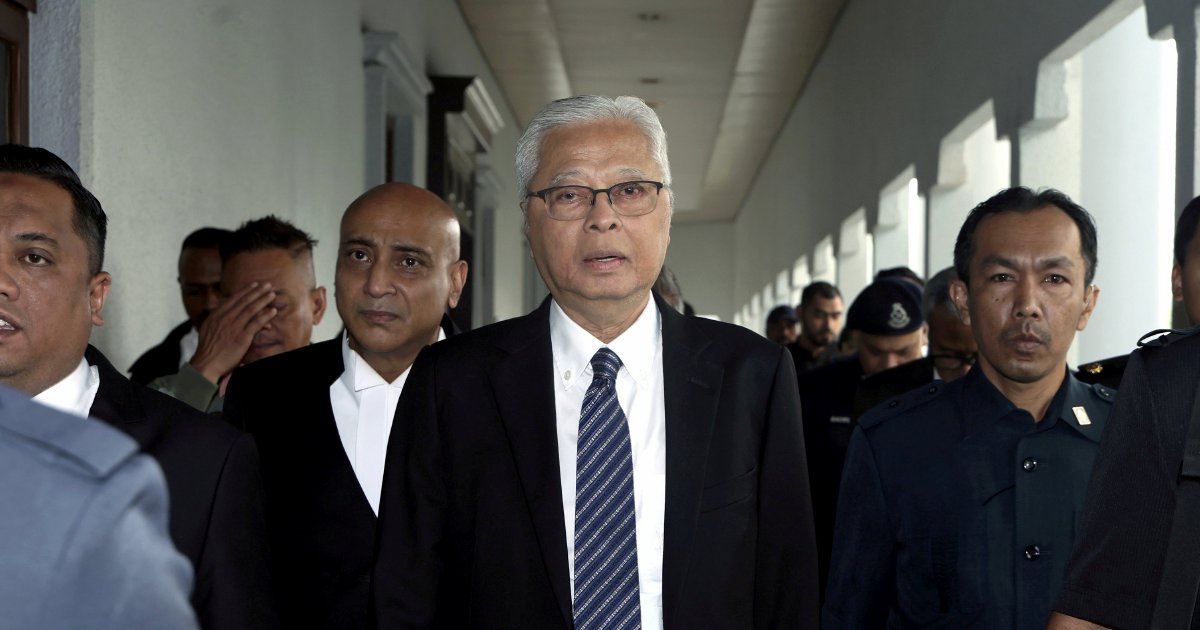
Former Prime Minister Datuk Seri Ismail Sabri Yaakob's defence team has mounted a procedural challenge against a corruption charge, describing it as unusual and potentially duplicative in nature. According to his lawyer, the allegation against the Bera MP concerns conduct that was previously examined and potentially addressed under a distinct section of the Malaysian Anti-Corruption Commission Act, raising questions about why the authorities have chosen to pursue a fresh charge involving essentially the same factual circumstances.
The legal argument hinges on a fundamental principle of criminal procedure—that the same conduct should not be prosecuted multiple times under different legislative provisions. Malaysia's anti-corruption framework, like many common law jurisdictions, generally discourages such prosecutorial overlap, as it can constitute an abuse of process or violate principles of fairness. The defence's characterisation of the charge as "peculiar" suggests that Ismail Sabri's team believes the prosecution has crossed into problematic territory by essentially re-litigating matters that fall within the scope of regulations already brought to bear on his conduct.
This legal manoeuvre reflects a broader strategic defence against what has been an intensifying accountability process targeting Malaysia's recent political leadership. In the years following the 2022 general election and the subsequent shift in governing coalitions, several former government officials and politicians have faced enhanced scrutiny from anti-corruption authorities. For Ismail Sabri, who served as Prime Minister between August 2021 and November 2022, the mounting legal pressures represent both a personal challenge and a potential precedent-setting moment for how Malaysian courts will interpret the boundaries of anti-corruption prosecutions.
The Malaysian Anti-Corruption Commission, which has been granted expanded investigative and prosecutorial powers over the past decade, operates under a legislative framework containing multiple provisions that can address similar conduct. Depending on how offences are categorised—whether involving gratification, solicitation, or abuse of position—the same underlying facts could theoretically fall under several different legal provisions. The defence's argument therefore touches on a critical tension within Malaysia's anti-corruption regime: how to prevent prosecutorial overreach while maintaining the ability to pursue genuine wrongdoing through flexible legal tools.
For Malaysian readers and observers of the political landscape, this case carries implications beyond the individual defendant. It speaks to questions about the consistency and fairness of enforcement against politicians of different backgrounds and affiliations. During Ismail Sabri's tenure as PM, Malaysia's political environment was highly fractured, with multiple coalitions competing for parliamentary support. His relatively brief premiership came after the controversial collapse of the Perikatan Nasional government and amid ongoing disputes over governance, legitimacy, and electoral accountability. The legal proceedings against him now occur within a context where numerous figures from the previous administration have similarly faced prosecution.
The procedural challenge mounted by Ismail Sabri's lawyers may prove decisive at an early stage of proceedings, or it may be dismissed and the substantive case proceed to trial. Either outcome will contribute to how Malaysia's legal precedents develop regarding double or overlapping prosecutions under the anti-corruption framework. Courts will need to assess whether the prosecution has genuinely structured its charges in a manner that respects statutory distinctions, or whether it has artificially multiplied allegations to increase pressure on the accused or ensure conviction under at least one provision even if others fail.
Regionally, Malaysia's handling of high-level corruption cases attracts attention from other Southeast Asian nations grappling with similar governance and accountability challenges. Singapore, Indonesia, and the Philippines have all pursued significant cases against former leaders and senior officials, creating a regional narrative about post-tenure accountability. How Malaysian courts balance aggressive anti-corruption prosecution with fairness and legal propriety will influence perceptions of the nation's commitment to the rule of law, a crucial factor in attracting investment and maintaining confidence in institutions during politically sensitive transitions.
The charge against Ismail Sabri forms part of a broader pattern of legal action against political figures from recent administrations. The timing, nature, and procedural handling of such cases inevitably generate scrutiny regarding whether enforcement is principled and consistent or influenced by political considerations. While allegations against politicians warrant serious investigation and prosecution where evidence warrants, the procedural legitimacy of those prosecutions remains essential to public confidence in the justice system itself. Courts must therefore carefully examine whether charges are structured appropriately and whether overlapping provisions are being weaponised.
Ismail Sabri's challenge to the charge's legitimacy represents a critical moment for testing how Malaysia's anti-corruption laws will be applied going forward. If his defence succeeds in establishing that the prosecution has indeed duplicated the same subject matter under different provisions, it could set a precedent requiring prosecutors to be more circumspect in how they structure charges. Conversely, if courts dismiss the challenge, they implicitly endorse the prosecution's approach, potentially enabling more aggressive multi-count strategies against future defendants. Either way, this case will likely influence how Malaysian courts and prosecutors navigate the complex terrain of anti-corruption enforcement in years to come.

