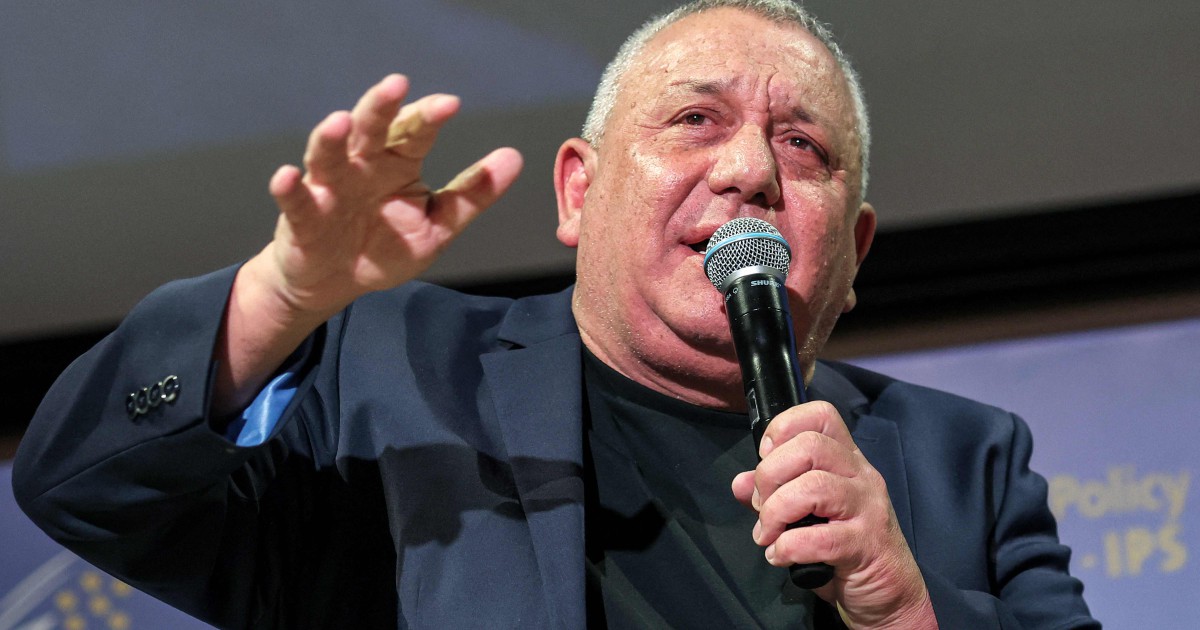
Israel is bracing for a closely fought general election on October 27, with the political establishment undergoing a significant realignment. Former military commander Gadi Eisenkot has positioned himself as the strongest contender to challenge the incumbent Prime Minister Benjamin Netanyahu's political dominance, marking a notable shift in the country's electoral dynamics.
Eisenkot's emergence as Netanyahu's main rival reflects broader discontent within Israeli society and a desire among voters for alternative leadership. His background as Israel Defence Forces chief of staff from 2014 to 2019 lends him considerable credibility on security matters, a perennially critical concern for the Israeli electorate. Unlike typical political newcomers, Eisenkot brings decades of military experience and strategic policymaking credentials that resonate with voters who prioritize national security expertise.
The former general has constructed his political narrative around restoring institutional integrity and consensus-building approaches to governance. His campaign implicitly contrasts with Netanyahu's tenure, which has been marked by considerable domestic polarization and ongoing legal challenges. Eisenkot's military background allows him to claim authority on defence policy without the baggage of prolonged political controversy that characterizes the prime minister's record.
Neither Netanyahu nor Eisenkot commands majority support in most polling data, reflecting the highly fragmented nature of Israeli politics. The country's proportional representation system typically necessitates coalition-building after elections, meaning the actual kingmaker role often falls to smaller parties with specific ideological or sectarian demands. This structural reality means that whoever wins the October 27 election faces substantial constraints in translating electoral gains into governing power.
The contest between these two figures encapsulates deeper divisions within Israeli society regarding the country's security strategy, judicial independence, and economic priorities. Netanyahu has consolidated a coalition that includes religious conservative parties and nationalist right-wing factions, while potential alternatives like Eisenkot appeal to secular, centre-left, and Arab minority voters seeking different policy directions. These competing visions will likely dominate campaign messaging in the coming weeks.
For Malaysian and Southeast Asian observers, Israel's election dynamics carry implications for regional stability and international alignments. Any change in Israeli leadership could influence Middle East policy, weapons procurement decisions, and security partnerships that indirectly affect broader geopolitical calculations. Nations throughout Asia with strategic interests in Middle Eastern affairs monitor Israeli political transitions closely, as they can signal shifts in defence spending, diplomatic posture, and conflict management philosophies.
Eisenkot's potential victory would represent a generational transition in Israeli politics, moving away from figures whose formative experiences shaped Cold War and post-Cold War geopolitics. A military figure untested in electoral politics faces considerable challenges translating command authority into democratic coalition-building. His campaign must convince diverse constituencies that his institutional and security expertise translates effectively to economic management, healthcare policy, and social welfare—domains where military experience provides limited insight.
The timing of Israel's election occurs amid persistent regional tensions and international scrutiny of the country's security posture. Both Netanyahu and Eisenkot must address voter concerns about economic inequality, cost-of-living pressures, and healthcare access alongside traditional security preoccupations. This multifaceted agenda complicates straightforward security-focused messaging, forcing candidates to develop comprehensive platforms addressing governance quality and social equity.
Political analysts suggest that Eisenkot's appeal rests partly on his outsider status relative to Israel's traditional political establishment. Despite his prominence in military circles, he represents a relatively fresh face compared to Netanyahu's dominance since 2009. This novelty factor holds particular weight among younger voters seeking change and centrist constituencies tired of prolonged political conflict. However, converting polling support into actual electoral victories remains uncertain given the complex mechanics of Israeli coalition politics.
The campaign period leading to October 27 will test whether Eisenkot can translate his security credentials and institutional prestige into sustained political momentum. His messaging must simultaneously appeal to security-conscious voters concerned about Iran and Palestinian militants while addressing the bread-and-butter issues affecting ordinary Israelis' daily lives. Balancing these competing demands represents the fundamental challenge facing any serious challenger to Netanyahu's established political machine.
Regional stability considerations also loom over this election. Countries across the Middle East and beyond have developed working relationships with Netanyahu's government, and a leadership transition could require diplomatic recalibration. For Southeast Asian nations maintaining trade relationships and strategic partnerships involving Israeli technology and security cooperation, political uncertainty in Tel Aviv carries practical consequences for bilateral engagement and supply chain reliability.
The October 27 election ultimately represents more than a simple leadership contest between two individuals. It reflects fundamental questions about Israel's governance model, security philosophy, and social priorities. Eisenkot's challenge to Netanyahu signals that significant portions of Israeli society demand alternative approaches to longstanding national challenges. Whether voters ultimately embrace this alternative or reaffirm Netanyahu's leadership will shape Middle Eastern dynamics and international relationships for years ahead.

