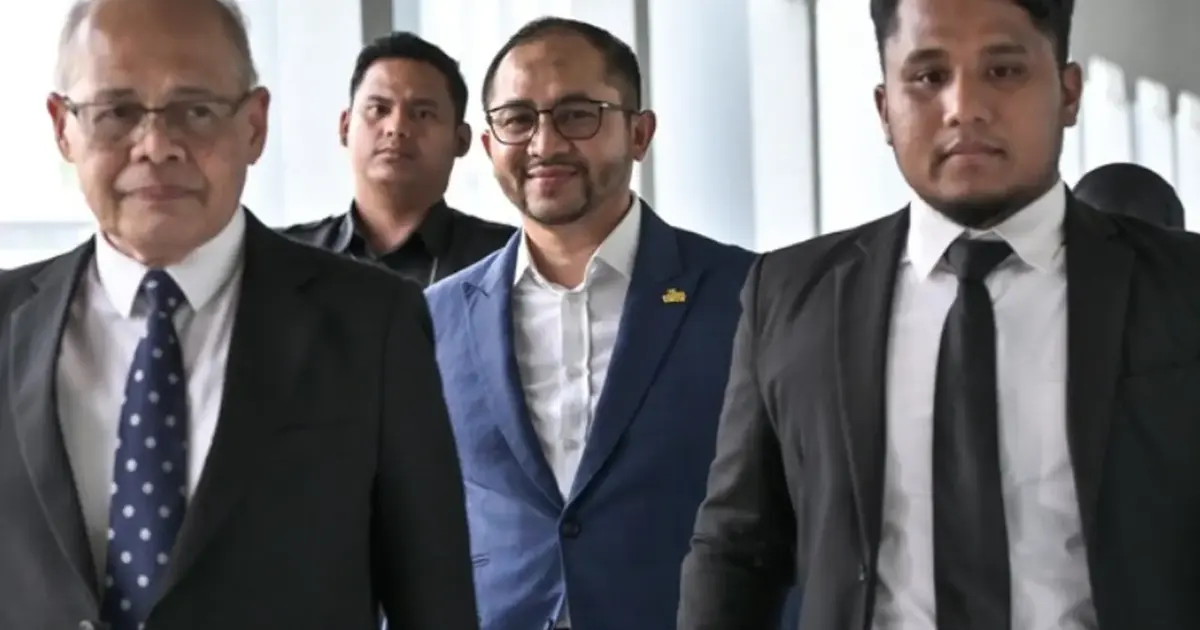
A managing director has told the Kuala Lumpur High Court that he faced pressure from a former political aide to surrender roughly half of a substantial consultancy arrangement related to a police tender. Khairi Mat Jahya's account provides a window into the alleged financial demands that followed the securing of what would become a RM19 million contract, casting light on the intersection between political connections and lucrative government procurement deals in Malaysia.
According to Khairi's testimony, the former political secretary Sayed Amir Muzzakkir Al Sayed Mohamad made the demands after Khairi's company had successfully obtained a consultancy fee connection to police procurement procedures. The specific circumstances surrounding how the contract was secured and the mechanics of the fee arrangement form a crucial backdrop to understanding the alleged coercion. Consultancy contracts in government procurement have long been a point of scrutiny in Malaysian governance, particularly when they involve large sums and individuals with political connections.
The case illustrates a pattern that Malaysian civil society observers have flagged repeatedly: the potential for connected individuals to leverage their political access into financial windfalls without necessarily providing commensurate professional services. When a RM19 million contract generates such intense interest from politically-connected figures, it raises questions about the legitimacy of the original arrangement and the mechanisms by which such contracts are awarded. The fact that a substantial portion was allegedly demanded post-award suggests the contract itself may have been the draw for political involvement.
Sayed Amir Muzzakkir's former role as political secretary places him in a position of significant influence and access. Political secretaries in Malaysia often serve as gatekeepers and facilitators for their principals, wielding informal power that extends well beyond their formal job descriptions. This proximity to decision-makers in government creates an environment where such individuals can leverage their connections for personal financial gain. The question of whether Sayed Amir Muzzakkir was acting independently or with the knowledge or direction of his principal remains a critical consideration in evaluating the full scope of the alleged misconduct.
The demand for approximately RM9 million—nearly half of the total RM19 million fee—suggests a particularly aggressive assertion of entitlement. This figure is substantial enough to represent a serious financial extraction that would materially impact a company's bottom line and profitability. The specificity of the amount alleged implies a calculated demand rather than a vague request, indicating that Sayed Amir Muzzakkir may have had clear expectations about his share from the outset. Understanding whether this figure was negotiated, imposed unilaterally, or emerged from some prior understanding will be crucial to the court's assessment.
The nature of consultancy fees in police procurement deserves particular attention, as such arrangements have been subject to criticism for lacking transparency and clear deliverables. Consultancy agreements can sometimes serve as vehicles for channeling funds to preferred recipients with minimal accountability for actual services rendered. When government agencies engage consultants for police-related projects, the public interest demands that such arrangements be justified by genuine expertise and measurable outcomes. The involvement of politically-connected figures in these arrangements raises concerns about whether competitive processes were truly followed or whether contracts were directed to favoured entities.
For Malaysian readers, this case resonates within the broader context of governance reform and anti-corruption efforts. The country has experienced multiple high-profile cases involving the misuse of political positions for personal enrichment, from the 1Malaysia Development Berhad scandal to various state-level corruption cases. While institutions like the Malaysian Anti-Corruption Commission have demonstrated capacity to investigate and prosecute, the prevalence of such allegations suggests systemic vulnerabilities remain. The court proceedings in Khairi's case will test whether the judiciary can effectively hold individuals accountable for leveraging political access into unjust financial gains.
The broader implications for government procurement are significant. If Sayed Amir Muzzakkir successfully extracted such sums from contractors, it effectively adds a hidden tax on government projects—one that benefits politically-connected individuals rather than the public. This mechanism incentivizes companies to factor in potential demands from political associates when bidding for contracts, ultimately raising costs for taxpayers. It also creates perverse incentives for political actors to cultivate relationships with government suppliers, turning public procurement into a wealth-generation scheme for the connected elite.
The court will need to examine what leverage or coercion mechanisms were employed to extract the alleged RM9 million. Did Sayed Amir Muzzakkir threaten to undermine the contract, withdraw political support, or create regulatory obstacles? Did he simply appeal to gratitude and obligation? Understanding the nature of the pressure sheds light on the power dynamics at play and the vulnerability of private companies to demands from politically-positioned individuals. The testimony should reveal whether such arrangements are systematized or opportunistic.
Regional observers will watch this case with interest, as similar patterns of political-commercial entanglement have been documented across Southeast Asia. Malaysia's response to such allegations through its legal system provides a test case for how the region handles governance challenges that threaten economic efficiency and public trust. The outcome may influence how other governments in the region approach reform of procurement processes and regulation of political actors' commercial activities.

