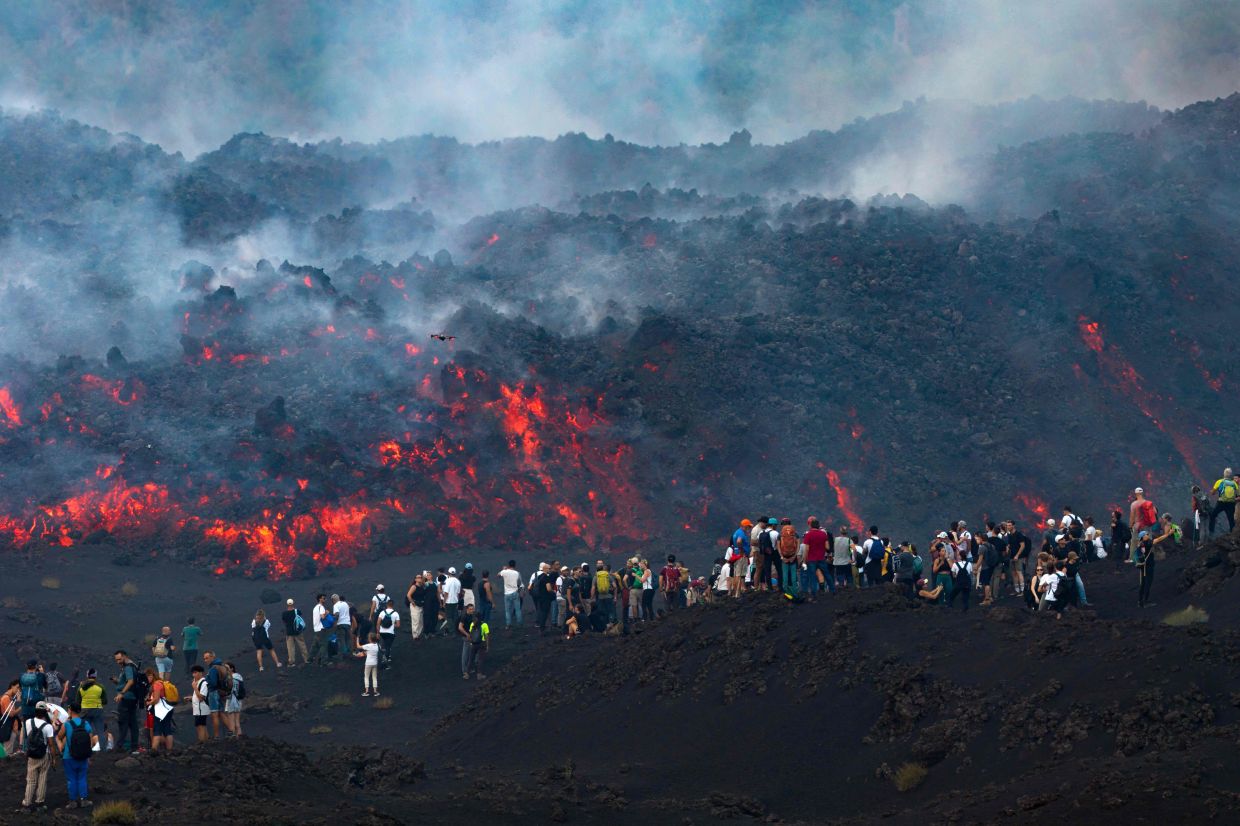
Europe's most active volcano is experiencing a dramatic resurgence in visitor interest as Mount Etna continues spewing lava and ash down its slopes in a spectacular display that has captivated tourists and locals alike. The sustained volcanic activity, broadcast across social media in vivid detail, has transformed the Sicilian landmark into an unexpected tourism hotspot, overwhelming the guides and infrastructure designed to manage mountain access and straining the region's transport links.
The eruption has forced the closure of Catania airport, Sicily's primary international gateway, disrupting travel plans for thousands of visitors to one of Italy's most sought-after destinations. Catania International Airport, which processed around 12 million passengers throughout 2024 and serves the eastern portion of Sicily, has repeatedly halted flight operations over recent days as volcanic ash drifts across its runways. Italian media reports indicate that hundreds of flights have been cancelled since Saturday alone, creating bottlenecks for both arriving tourists and departing visitors attempting to leave the island.
Despite—or perhaps because of—these disruptions, local tour operators specialising in guided volcanic expeditions report unprecedented demand. Guide Etna, the enterprise led by 41-year-old Daniele Perricelli, typically welcomes several dozen visitors for evening ascents during peak summer tourism. The company now fields approximately 300 booking inquiries daily, triple the volume of requests received during an average summer evening. Similar operators across the region are experiencing comparable surges, as travellers prioritise witnessing the natural spectacle over conventional sightseeing.
The appeal of observing Mount Etna's eruption lies partly in its accessibility and relative safety compared to volcanic activity elsewhere. Ernesto Maria Magri, a veteran mountain guide, characterises the current phenomenon as a "touristic eruption"—one that draws crowds precisely because the lava can be observed from manageable distances without extreme risk. This perception of safety, whether entirely justified or not, has resonated with international and domestic visitors determined to experience the volcano firsthand during this window of heightened activity.
Yet the explosion in visitor numbers has created management challenges that concern experienced guides and safety officials. Perricelli estimates that between 1,500 and 2,000 people ascend the volcano each evening, creating congestion on established pathways and posing risks to those without proper preparation or experience. The informal nature of many ascents compounds the hazard—numerous visitors attempt the climb independently, circumventing both guide services and established safety protocols. Some climbers arrive inadequately equipped, with Perricelli citing instances of tourists wearing flip-flops on the unstable, heat-radiating slopes where proper footwear is essential.
The volcano's inherent unpredictability represents the primary concern for those managing access. Mount Etna's geological instability means that conditions can shift rapidly, and guides trained to read subtle changes in the mountain's behaviour provide crucial protective value. Those ascending without expert accompaniment lack the knowledge to interpret warning signs or respond appropriately to sudden shifts in volcanic activity. Perricelli has appealed to local authorities to implement stricter oversight and enforcement, warning that the current situation has begun to exceed safe management capacities.
Higher-profile visitors have also attracted scrutiny, with Italian television personality Diletta Leotta facing social media criticism for photographs apparently taken dangerously close to active lava flows. However, guides clarify that visitors can safely approach within metres of lava in lower altitude zones where the molten rock has begun cooling and solidifying. Current regulations permit unaccompanied access up to approximately 2,400 metres altitude, with mandatory guide accompaniment required for higher elevations—a framework that attempts to balance public access with safety requirements.
Italy's civil protection agency has classified Mount Etna under a yellow alert status, representing the second-highest level on a four-tier scale ranging from green to red. This designation acknowledges the volcano's frequent eruptions and potential for explosive activity, warranting heightened monitoring and precautionary measures. The combination of sustained eruptive activity and the yellow alert status underscores the genuine risks underlying the tourism phenomenon, even as the dramatic visual appeal continues drawing visitors.
For Malaysia and Southeast Asia, the Mount Etna situation illustrates the complex interplay between natural disaster management and tourism economics. The region faces similar volcanic hazards, with Indonesia's numerous active volcanoes periodically disrupting regional air traffic and creating comparable tourism-safety tensions. The Sicilian experience demonstrates how spectacular natural phenomena can overwhelm local capacity for safe visitor management, particularly when international media attention amplifies demand beyond historical norms. Regional authorities managing volcanic tourism destinations should monitor how Italian officials address this challenge, as their responses may offer valuable lessons for managing similar surges in visitor interest during eruption cycles elsewhere in Asia-Pacific.

