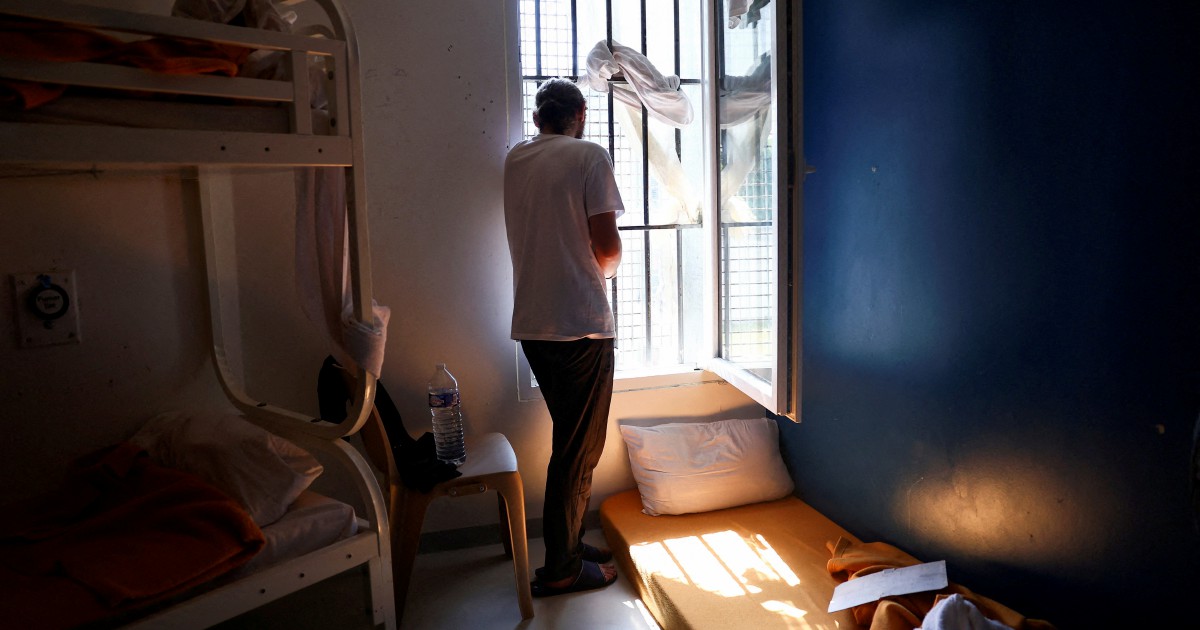
A prisoner in a sweltering French cell, desperately draping wet towels around his window bars as external temperatures climbed above 37 degrees Celsius, recently found himself in an unusual position: explaining his living conditions to a visiting politician. The scene encapsulates a broader crisis gripping European penal systems—one that intensifying heatwaves are bringing sharply into focus. Prison overcrowding, ageing facilities, and inadequate climate control have converged to create dangerous conditions during periods of extreme heat, forcing governments and prison authorities across the continent to grapple with systemic failures they have long overlooked.
The vulnerability of European prisons to temperature extremes reflects decades of underinvestment and poor planning. Many facilities, particularly in Western Europe, were constructed during earlier periods and have never undergone comprehensive modernisation. Their thick stone walls and limited ventilation systems, designed for cooler climates, become liabilities during extended heatwaves. The absence of air conditioning in most European prisons—a rarity compared to facilities in North America or Australia—means inmates experience conditions that healthcare experts consider potentially life-threatening, particularly for elderly prisoners and those with pre-existing medical conditions.
Officials across France, Italy, Spain, and other Mediterranean nations have reported alarming situations during recent summer months. Cells designed to hold one or two individuals frequently contain three or more prisoners, compounding the heat stress considerably. In some facilities, temperatures inside cells have been recorded at 45 degrees Celsius or higher, creating conditions where heat-related illnesses proliferate. Prison medical staff report surges in fainting spells, dehydration cases, and exacerbation of chronic health conditions during peak summer months. The psychological toll compounds physical suffering, as prisoners spend 22 to 24 hours daily in cells that become progressively more insufferable as afternoon temperatures peak.
For Malaysian observers, this European situation carries particular resonance given similar demographic and infrastructural trends visible regionally. Several Southeast Asian prison systems also contend with ageing facilities, overcrowding, and limited climate control resources. The Malaysian prison service, while operationally more recent than many European counterparts, nonetheless faces capacity pressures that climate stress could intensify. As regional temperatures rise and heatwave patterns become more frequent due to climate change, prison authorities across Southeast Asia should regard European experiences as cautionary tales warranting preventive action.
The overcrowding problem extends beyond discomfort into serious human rights territory. European prisons operate at significantly above design capacity, with some facilities housing 130 to 150 per cent of their intended populations. This means basic services—from sanitation to medical care to food distribution—become strained. During heatwaves, managing hygiene becomes nearly impossible in overcrowded conditions, raising disease transmission risks. Water availability, already constrained in many facilities, becomes critically inadequate when temperatures soar and inmate demand surges dramatically.
Politicians and human rights organisations are increasingly vocalising criticism following recent heatwave episodes. Civil rights groups have filed complaints alleging that detention under such conditions violates European human rights standards. Several judicial systems have begun examining whether extreme heat constitutes grounds for emergency release of certain prisoner categories. Some countries have experimented with temporary transfers of inmates to facilities in cooler regions, though logistical constraints make this solution limited in scope. Others have implemented basic interventions such as distributing additional water rations, providing cooling vests, and permitting extended outdoor time during evening hours—measures that represent Band-Aids on structural wounds.
The crisis illuminates deeper questions about prison philosophy and resource allocation across Europe. Many nations invest minimally in penal infrastructure relative to their overall criminal justice budgets, viewing prisons as utilitarian rather than requiring genuine modernisation. Political resistance to expanding prison capacity or improving conditions reflects public attitudes often dismissive of inmate welfare. However, professional prison administrators and medical authorities increasingly argue that basic environmental standards must apply regardless of inmates' criminal history. They contend that inhumane conditions undermine rehabilitation objectives, increase violence and mental illness within facilities, and create public health risks extending beyond prison walls.
Looking forward, European governments face difficult choices between costly facility upgrades, releasing lower-risk prisoners to reduce populations, or maintaining status quo conditions that human rights bodies consider increasingly untenable. Several nations have begun pilot programmes installing cooling systems in high-risk areas, particularly in healthcare units and segregation blocks where vulnerable inmates concentrate. However, retrofitting hundreds of facilities across Europe represents a multi-billion-euro undertaking that cash-strapped governments resist committing to, particularly amid competing budgetary pressures elsewhere.
The heatwave crisis also exposes inadequacies in planning for climate change impacts. Environmental scientists predict expanding heat zones across Europe, with previously temperate regions experiencing Mediterranean-style summers. This trajectory means current heatwave challenges will intensify and persist longer annually unless substantial adaptation occurs. Prison systems, like many public infrastructure categories, have been largely absent from national climate adaptation planning discussions, leaving facilities unprepared for emerging realities.
For regional policymakers and prison administrators beyond Europe, these developments offer instructive lessons about prioritising infrastructure investment before crises emerge. Building climate-resilient, adequately-sized prison facilities costs considerably less than managing human rights crises, public health emergencies, or judicial interventions in facilities operating under extreme duress. European experiences suggest that heatwaves transform prison management from an administrative challenge into an urgent humanitarian issue—one that societies ultimately cannot ignore without reputational and practical consequences.

