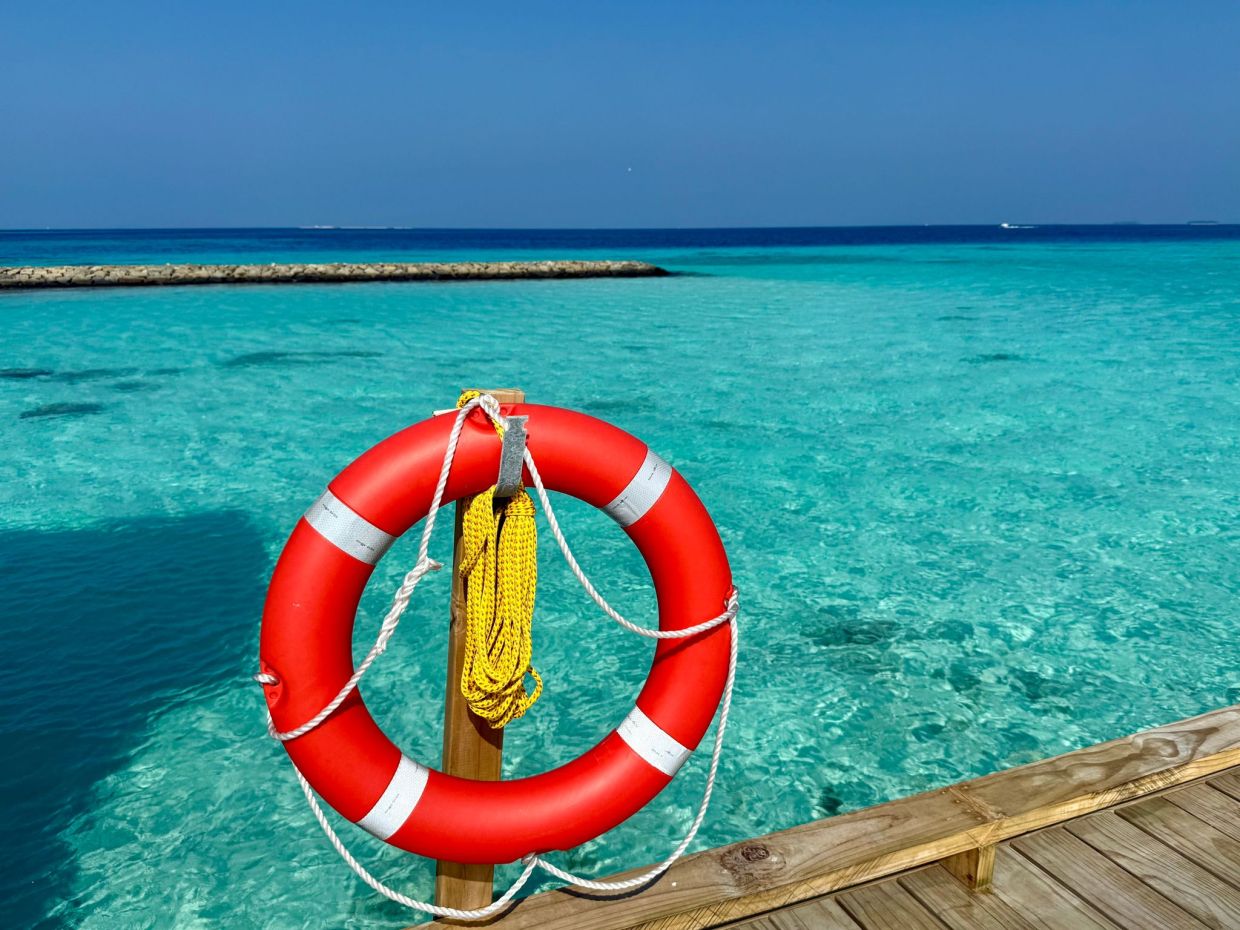
Whether planning a coastal holiday in Penang, diving into Kuching's rivers, or exploring mountain lakes in Cameron Highlands, open-water swimming attracts Malaysians and tourists year-round. Yet the apparent simplicity of swimming outdoors masks genuine physical dangers that claim lives annually across the region. Understanding these risks and adopting proper safety protocols transforms casual water recreation into a measured, enjoyable activity.
A fundamental mistake swimmers repeatedly make is overestimating their own capabilities while minimising environmental threats. According to Peter Dawes, general manager of lifeguard operations at the Royal National Lifeboat Institution (RNLI), this psychological gap between perceived and actual ability creates vulnerability. Tropical climates compound this challenge—warm air temperatures mislead swimmers into underestimating water coldness. Even in Malaysia's equatorial heat, water temperatures drop significantly with depth or during monsoon seasons, triggering cold-water shock that can paralyse muscles and disrupt breathing patterns within minutes. Swimmers accustomed to heated pools frequently fail to account for this physiological response in open water.
Prior reconnaissance substantially improves safety outcomes. Before entering any body of water, gather information about prevailing conditions and weather patterns. Coastal swimmers should identify tide times, since tidal changes dramatically alter water dynamics and can trap swimmers in dangerous positions. Lifeguarded beaches and supervised swimming areas offer immediate advantages—trained personnel can identify hazards invisible to casual visitors and provide real-time guidance. Engaging with lifeguards directly yields invaluable local knowledge about underwater obstacles, current patterns, and recent incidents that might otherwise go unnoticed.
Hazard identification requires systematic thinking rather than reactive assessment. Rip currents represent the most widespread beach danger, formed when water pushed ashore by waves channels back seaward through narrow gaps. Inland waterways present different threats—submerged roots, fallen branches, discarded debris, and sudden depth variations create injury risks particularly severe in low-visibility conditions. Weather volatility demands constant awareness. Southeast Asia's swift-changing atmospheric conditions mean that clear skies can deteriorate rapidly into dangerous wind and wave conditions. Temperature fluctuations, both air and water, require ongoing monitoring to prevent cold-water shock or heat exhaustion.
Group swimming provides psychological and practical protection unavailable to solo swimmers. Staying together ensures mutual observation and immediate assistance if someone encounters difficulty. This principle extends to established swimming boundaries—the red and yellow flags marking lifeguarded zones represent deliberately selected safe areas. Lifeguards position flags on sandbanks or safer sections specifically chosen for minimal hazard exposure. Critically, these flag boundaries also define the area where lifeguards concentrate their monitoring. Beyond these markers, dangerous rip currents or other hazards frequently occur, and supervision becomes unavailable. The flags effectively communicate both where to swim and where safety personnel can respond quickly.
Parental supervision requires active engagement rather than distant observation. Young children must remain within arm's reach, allowing immediate intervention if they slip underwater or become exhausted. This proximity standard applies regardless of a child's swimming ability. Bright, high-visibility clothing on children—fluorescent colours, patterned swimwear, or buoyancy aids—enables rapid visual location in chaotic water environments where attention becomes divided among multiple swimmers. This seemingly simple precaution reduces drowning response times from minutes to seconds, transforming outcomes.
Water entry technique significantly influences injury prevention. Entering slowly from safe locations allows physiological adjustment to temperature and pressure changes. Gradual immersion permits the body to accommodate cold-water shock rather than triggering panic responses. Wetsuits provide thermal protection and buoyancy assistance, particularly valuable for less experienced swimmers or those with body-composition variations affecting natural buoyancy. Conversely, rapid entry into cold water or jumping into unknown depths risks cold-water shock and impacts from submerged obstacles. Exit planning—identifying safe departure points before entering—prevents disorientation or entrapment during emergency situations.
Water visibility limitations create particular dangers in inland environments. Rivers, lakes, and some coastal areas suffer from turbidity that prevents underwater hazard detection. Silt, algae, and suspended materials obscure hazards that could injure or entangle swimmers. Slow water entry compensates partially for this limitation—reduced entry velocity decreases injury severity from contact with hidden objects. However, the fundamental principle remains unchanged: gradual immersion offers superior safety to rapid entry regardless of water clarity conditions.
Emergency survival technique knowledge proves lifesaving when swimmers face unexpected difficulty. The back-float survival position—achieved by leaning head backward with ears submerged and body horizontal—maintains the airway above water while conserving energy. Unlike active treading water, which exhausts swimmers within hours, back-floating permits indefinite maintenance of breathing capacity with minimal exertion. This technique requires prior practice in safe environments like swimming pools, where swimmers develop muscle memory and confidence before applying it under stress. The psychological benefit of knowing this technique reduces panic, the primary cause of drowning even among competent swimmers.
When witnessing someone in distress, immediate emergency response is critical. Calling appropriate rescue services—coastguard for beach situations, fire and rescue services for inland locations—initiates professional response chains. In Malaysia, these services maintain rapid-response capabilities but require accurate location identification. Providing specific information about location, number of persons in distress, and visible circumstances accelerates rescue deployment. Untrained bystanders should avoid water rescue attempts, as panic-stricken swimmers frequently pull rescuers underwater. Instead, throw flotation aids or extend reach poles from shore, allowing distressed swimmers to maintain breathing while rescue services arrive.
Southeast Asian swimmers face additional environmental considerations absent in temperate regions. Tropical waterborne diseases, including leptospirosis and schistosomiasis, present infection risks particularly in freshwater sources near agricultural areas or settlements. Saltwater ecosystems host marine hazards—venomous creatures, strong currents created by tidal interactions with reef formations, and undertow conditions unlike simple rip currents. Understanding location-specific biological and physical hazards requires research and local consultation. Tourist areas often provide hazard information, but remote or lesser-known swimming locations demand independent investigation.
Weather monitoring becomes essential given Southeast Asia's monsoon patterns and tropical storm systems. Coastal regions experience different hazards during northeast and southwest monsoon seasons, with wave heights, current strengths, and visibility varying dramatically. Mobile weather applications provide real-time updates, but local lifeguards and residents offer irreplaceable knowledge about typical seasonal conditions and exceptional danger periods. Combining technological weather tracking with expert local guidance creates comprehensive situational awareness.
Cultural practices and religious considerations influence water safety in Malaysian contexts. Some communities maintain traditional swimming locations that may lack formal lifeguard supervision but offer cultural significance. These sites deserve the same safety protocols as formal beaches. Additionally, dress codes and prayer times affect water usage patterns, potentially reducing supervision availability during certain periods. Planning water activities around these realities rather than ignoring them contributes to safer outcomes. Finally, communicating swimming intentions to others ensures accountability—if you fail to return as expected, someone will initiate search procedures sooner, improving rescue outcomes in genuine emergencies.

