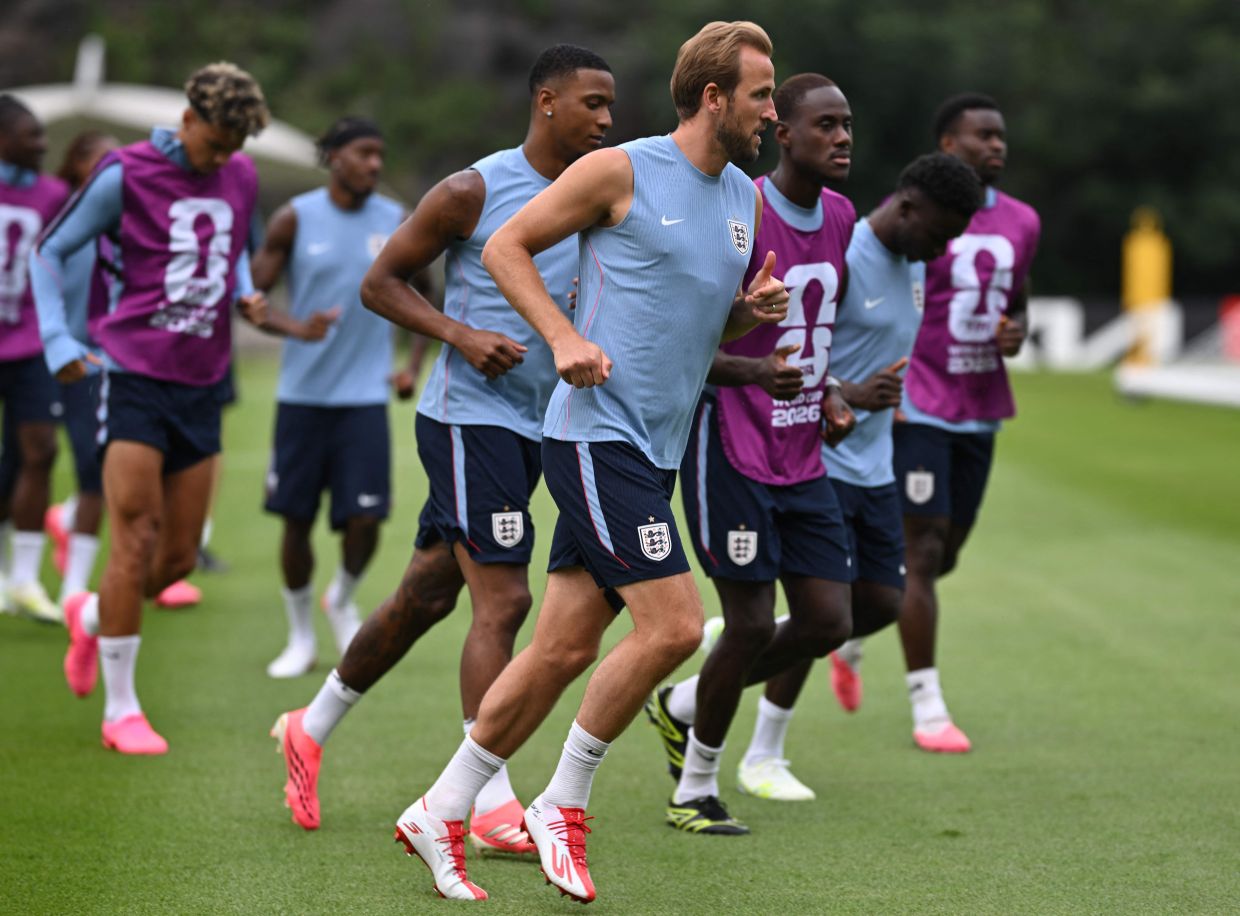
England will confront Mexico in one of the tournament's marquee fixtures on Sunday at the Estadio Azteca, the same storied venue where the English witnessed Diego Maradona's controversial 1986 World Cup victory 40 years prior. The meeting comes as defending champions France and Morocco have already secured their berths in the quarter-finals, leaving two remaining slots available through knockout encounters scheduled for Mexico City and New Jersey. For England's Thomas Tuchel and his squad, the clash represents a chance to salvage what has been an underwhelming group-stage campaign, whilst Mexico enters as a resurgent home force seeking to topple the fourth-ranked FIFA side and progress deeper into the competition.
England's pathway to this juncture has proven far more laborious than anticipated. The Three Lions arrived at the tournament with genuine aspirations of ending their 60-year drought without a major international triumph, yet their performances through the preliminary rounds failed to inspire confidence amongst supporters or analysts alike. A narrow 2-1 victory over the Democratic Republic of Congo, salvaged only through two late goals by captain Harry Kane, proved sufficient to advance but raised persistent questions about the team's ability to perform under pressure. Tuchel's outfit has demonstrated defensive frailties throughout their campaign, showing particular vulnerability to rapid counterattacks, especially along the problematic right flank where opposing teams have repeatedly found space to exploit.
The venue itself presents a formidable challenge beyond Mexico's footballing prowess. The Estadio Azteca's elevation of approximately 2,240 metres above sea level creates a significant physical disadvantage for visiting teams unaccustomed to such atmospheric conditions. Tuchel acknowledged this predicament candidly before departure for the Mexican capital, emphasising that physiological adaptation across a mere four-day window remains physiologically impractical. Upon arrival at the stadium, the England manager was visibly struck by the palpable atmosphere and acknowledged the occasion's magnitude, describing it as an archetypal World Cup showdown staged within an iconic setting that carries immense historical weight.
Mexico presents an altogether different proposition from England's group-stage opponents. El Tri have demonstrated remarkable domestic form throughout the tournament, maintaining an undefeated record across four home matches whilst maintaining a clean sheet throughout. Their 2-0 demolition of Ecuador secured the nation's first knockout-round victory at the World Cup in four decades, igniting considerable momentum heading into the England encounter. Coach Javier Aguirre has nonetheless expressed measured respect for his opponents, acknowledging England's superior FIFA ranking and the quality of players within their squad who operate at Europe's highest levels. The Mexican strategist insisted that victory would necessitate a near-flawless performance, underscoring that the fundamental contest would reduce itself to a battle of individual talent and collective organisation.
Aguirre's perspective on altitude proved somewhat dismissive of the environmental factors, suggesting the competition would ultimately remain an eleven-versus-eleven proposition decided by football rather than atmospheric conditions. This contrasts with Tuchel's more pragmatic acknowledgment of the physical toll such elevation imposes. The kickoff time of 6pm local time, confirmed after FIFA deliberated whether to advance the schedule to mitigate thunderstorm risks, means Malaysian viewers will witness the encounter at 4am on Monday, July 6. Meteorological forecasts continue predicting atmospheric disturbances during the fixture, though temperatures around 21 degrees Celsius remain significantly cooler than the near-record 38 degrees experienced during France's recent encounter against Paraguay in Philadelphia.
Simultaneously, Brazil faces an intriguing examination from Norway, with Manchester City's Erling Haaland posing an exceptional threat to the five-time World Cup champions. The Norwegian striker has delivered a extraordinary tournament contribution, accumulating five goals across three appearances and establishing himself as one of the competition's standout performers. Haaland's familiarity with Brazil's defensive contingent adds another layer of intrigue to the matchup. Gabriel Magalhaes, operating as Brazil's central defensive partner, confronts his Premier League rival regularly for Arsenal, whilst Marquinhos has repeatedly faced the prolific forward during his tenure at Paris Saint-Germain. Brazil coach Carlo Ancelotti appeared unflustered by the Norwegian threat, noting that his defenders have accumulated sufficient exposure to Haaland's tactical patterns and movement tendencies through their domestic competition experiences.
Norway coach Stale Solbakken has conversely urged his players to approach the encounter with pragmatic focus rather than becoming overwhelmed by the magnitude of facing a Brazilian side steeped in World Cup pedigree. Solbakker cautioned against psychological deference to reputation, arguing that contemporary Brazil no longer carries the aura of invincibility that characterised earlier eras of their dominance. The Norwegian tactician suggested that Brazil, whilst remaining tournament favourites, represents a beatable proposition for a confident and organised team capable of implementing a coherent game plan. The MetLife Stadium in New Jersey will host this encounter amidst severe weather warnings, with the National Weather Service issuing regional flood alerts that could potentially impact match conditions and contingency arrangements.
For Malaysian football enthusiasts, these fixtures present compelling viewing windows into how elite teams navigate pressure situations during tournament football's decisive phases. England's redemptive opportunity against Mexico offers a pivotal examination of whether Tuchel's squad possesses the mental fortitude and tactical flexibility required for tournament success. Mexico's emergence as formidable home performers suggests that international football remains unpredictable and that superior rankings alone provide insufficient guarantee of advancement. Similarly, Norway's David-versus-Goliath prospect against Brazil encapsulates the tournament's capacity to generate unexpected narratives and challenge established hierarchies. The outcomes of these Sunday encounters will determine which sides progress toward potentially career-defining quarter-final opportunities and reshape the competition's trajectory as it advances toward ultimate resolution.

