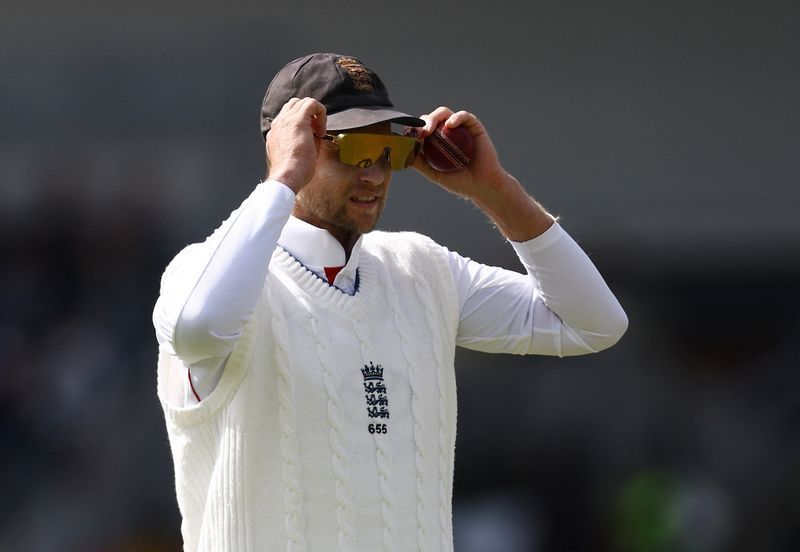
England cricket captain Joe Root has vented his exasperation over what he describes as a pattern of preventable lapses in judgment by his players, saying he feels "hacked off" and deeply disappointed following another nightclub incident involving one of his squad members. The latest controversy centres on fast bowler Brydon Carse, who appeared in social media videos seemingly engaged with police officers while in handcuffs during an incident that prompted the England and Wales Cricket Board to exclude the 31-year-old from the second test against Pakistan starting Thursday. Root's candid remarks underscore mounting concern within English cricket about the conduct of international players away from the field, a trend that threatens to overshadow the team's recent sporting achievements.
The Carse incident represents the fourth notable nightclub-related incident involving England cricketers in recent months, compounding what many observers have characterised as an emerging pattern of excessive drinking and poor decision-making among the squad. Earlier incidents involved batsman Harry Brook, opening batter Ben Duckett, Gus Atkinson, and former captain Ben Stokes, whose various encounters have sparked sustained scrutiny about the culture and discipline within English cricket. The frequency of these occurrences has prompted critics and administrators alike to question whether England's cricketing hierarchy has adequately emphasised professionalism and responsibility to its players. Root acknowledged that these repeated transgressions extend beyond isolated misjudgements, framing them instead as symptomatic of broader cultural issues the team must urgently address.
In his comments to journalists on Tuesday, Root distinguished between the immediate incident and the cumulative effect of habitual mistakes that he believes are undermining the team's collective standing. He stressed that such off-field controversies detract from the squad's performances and accomplishments on the pitch, where England demonstrated competitive strength by defeating Pakistan by an innings and 103 runs in the first test. Root's frustration is notably pointed at the repetitive nature of the lapses rather than any single transgression, suggesting that what troubles him most is the apparent failure of players to absorb lessons from previous incidents and adjust their behaviour accordingly. This perspective positions the issue as one of accountability and professional maturity rather than merely youthful exuberance.
Since taking the captaincy following Ben Stokes's retirement from international cricket, Root has inherited a team grappling with questions about identity and values. He indicated that the squad has held substantive discussions about expectations, representing a conscious attempt to establish stronger behavioural norms going forward. Root emphasised that players are well aware of what playing for England demands and the standards to which they must adhere, both in competition and away from the field. However, his evident frustration suggests that knowing these expectations intellectually has not yet translated into consistent behavioural change, pointing to a disconnect between understanding and implementation.
Regarding Carse specifically, Root revealed that he has already engaged directly with the cricketer, demonstrating a hands-on approach to addressing the situation. The captain noted that Carse demonstrated remorse and understanding of his actions, characterising the player's reaction as appropriately serious. Root's personal intervention reflects an attempt to balance accountability with pastoral concern, acknowledging that Carse's wellbeing as a person extends beyond his status as a squad member. This nuanced stance suggests Root recognises that blanket condemnation or purely punitive responses may not effectively address underlying issues or foster lasting behavioural change.
Carse's removal from the second test represents an immediate sporting consequence, with Sonny Baker being promoted to replace him in the squad for the Lord's match. This decision by the ECB seeks to restore some reputational equilibrium and send a clear message about the consequences of off-field misconduct. The regulatory response extends beyond immediate squad selection, as the independent Cricket Regulator has announced an investigation into whether Carse violated the ECB's code of conduct. Carse was briefly arrested following the incident but subsequently released without charge, leaving the regulatory investigation as the primary mechanism for determining any sporting penalties he may face.
The handling of these incidents carries significance for Southeast Asian cricket audiences, particularly in Malaysia and neighbouring countries where English cricket commands considerable attention and where disciplinary standards in domestic cricket organisations are themselves subject to scrutiny. The incidents raise broader questions about how major cricket nations establish and enforce standards of conduct, especially given cricket's positioning as a values-driven sport that emphasises respect and sportsmanship. The visibility of English players' misconduct risks affecting perceptions of international cricket's professionalism in the region.
Root's characterisation of the team's current state as one requiring cultural rebuilding suggests that England's cricket authorities recognise a systemic challenge rather than a series of disconnected events. The captain's emphasis on building a culture to be proud of indicates that structural changes in team culture, mentoring, and player welfare may be contemplated beyond immediate disciplinary responses. This constructive framing suggests Root views his captaincy partly as an opportunity to reset institutional expectations and establish stronger foundational values within the squad.
The timing of these incidents, occurring during an active test series against Pakistan, adds operational complexity to England's challenge. The team must simultaneously maintain competitive focus while managing reputational damage and institutional accountability. Sonny Baker's inclusion represents both a necessary replacement and a test of squad depth, placing an additional player in a spotlight partly defined by the circumstances of his predecessor's removal. How England performs in the second test at Lord's and subsequent encounters in Birmingham will partially determine whether Root's message about professional standards gains credibility through sporting performance.
Looking forward, the ECB's investigation into Carse's conduct will likely establish precedents for how England handles future off-field incidents and what constitutes breach of professional standards in its code of conduct. The regulatory process may generate findings that influence both immediate consequences for Carse and broader protocols for team management. Root's visible frustration, combined with the stated commitment to building stronger culture, suggests that English cricket leadership recognises the need for tangible measures beyond rhetoric to demonstrate that accountability and professionalism will be prioritised at the highest levels of the sport.

