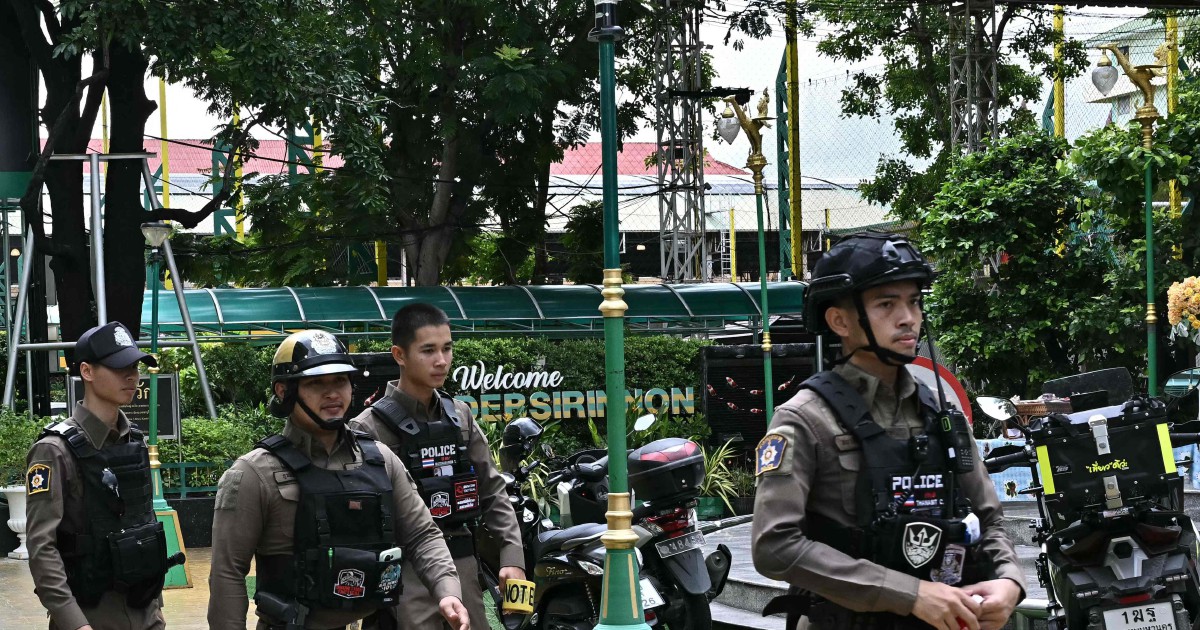
Thai authorities have arrested at least eleven French nationals since early summer in connection with a significant cannabis seizure, marking another chapter in the region's ongoing battle against drug smuggling networks that exploit tourism routes. A police source confirmed the detentions to AFP on Tuesday, revealing that the individuals were apprehended while carrying multiple kilogrammes of cannabis in their luggage, suggesting a coordinated operation rather than isolated incidents of personal use.
The timing of these arrests during the peak tourism season underscores a troubling pattern wherein criminal networks deliberately recruit holiday travellers to serve as unwitting or willing drug couriers. The "free holiday" scheme represents a sophisticated exploitation tactic, where individuals are often lured with promises of subsidised or complimentary travel in exchange for transporting narcotics through international borders. For many participants, particularly younger Europeans facing economic constraints, the proposition appears superficially attractive until the legal consequences materialise.
Thailand has emerged as a critical juncture in transnational drug trafficking, situated along major smuggling corridors connecting production zones in Southeast Asia with consumption markets in Europe and beyond. The Golden Triangle region, spanning Thailand, Laos, and Myanmar, remains a primary source of methamphetamine and heroin, while cannabis cultivation has expanded across the region in recent years. Bangkok's status as a major international aviation hub compounds the vulnerability, providing traffickers with multiple departure points and passenger flows that complicate detection efforts.
The detention of French nationals specifically points to organised networks with European connections and operational sophistication. French authorities have previously warned citizens about recruitment into courier roles, yet the frequency of such cases suggests these warnings have limited deterrent effect. The individuals detained may face lengthy Thai prison sentences, as Thailand maintains some of Asia's most stringent drug laws, with trafficking convictions carrying penalties ranging from years to life imprisonment depending on quantities involved.
For Malaysian and broader Southeast Asian readers, these arrests illustrate how regional security challenges extend beyond domestic borders. The movement of contraband through Thailand inevitably affects neighbouring countries, including Malaysia, which faces sustained pressure from drug trafficking organisations exploiting land and maritime routes. The detection of European nationals smuggling cannabis through Thailand indicates that trafficking networks are diversifying their operations and recruitment strategies, adapting to enforcement measures and pursuing opportunistic targets across multiple demographics.
The French government's response to these detentions will likely emphasise consular support and diplomatic engagement with Thai authorities, though legal outcomes typically reflect Thai law rather than foreign pressure. French citizens convicted in Thailand cannot automatically access shortened sentences or repatriation for serving time at home, a reality that distinguishes Southeast Asian jurisdictions from many European legal frameworks. This disparity between home-country expectations and regional judicial practices often catches offenders and their families unprepared.
These incidents expose vulnerabilities in international airport security and customs screening, despite technological advancement in detection equipment. While authorities apprehended the suspected couriers, the question of upstream sources remains critical: from which Thai locations was the cannabis sourced, and which networks orchestrated the operation? Incomplete prosecutorial success in targeting mid-level couriers leaves operational infrastructure largely intact, allowing trafficking organisations to replace arrested personnel and continue operations with minimal disruption.
The psychological profile of recruited couriers varies considerably, ranging from individuals facing genuine financial hardship to those motivated by adventure or peer pressure. Some may operate with full knowledge of their cargo, whilst others genuinely believed they were transporting legitimate goods. This variability complicates both law enforcement response and victim rehabilitation efforts, as distinguishing culpability requires detailed investigation beyond initial arrest.
Regional cooperation frameworks, including ASEAN mechanisms and bilateral treaties, theoretically enable information-sharing and coordinated enforcement. However, implementation frequently falls short of protocol, with resource constraints, differing enforcement priorities, and institutional barriers limiting effectiveness. The eleven detained French nationals represent a failure of prevention, suggesting that pre-departure intelligence gathering, courier profiling, and international police liaison require strengthening across the region.
For Southeast Asian governments including Malaysia, these arrests underscore the necessity of sustained investment in border security infrastructure, intelligence analysis, and regional partnership. The financial incentives driving recruitment remain powerful, particularly in economically depressed areas where criminal networks actively recruit. Addressing root causes requires complementary strategies spanning education, economic development, and community engagement, alongside enforcement measures that target organisational hierarchies rather than peripheral actors.
Longer-term implications for regional tourism and aviation security may emerge if authorities intensify screening procedures in response to these cases. Increased scrutiny, whilst potentially reducing contraband movement, carries opportunity costs for traveller experience and airport efficiency. Balancing security requirements against economic interests in tourism-dependent economies represents an ongoing policy tension throughout Southeast Asia, particularly as trafficking methods become increasingly sophisticated.

