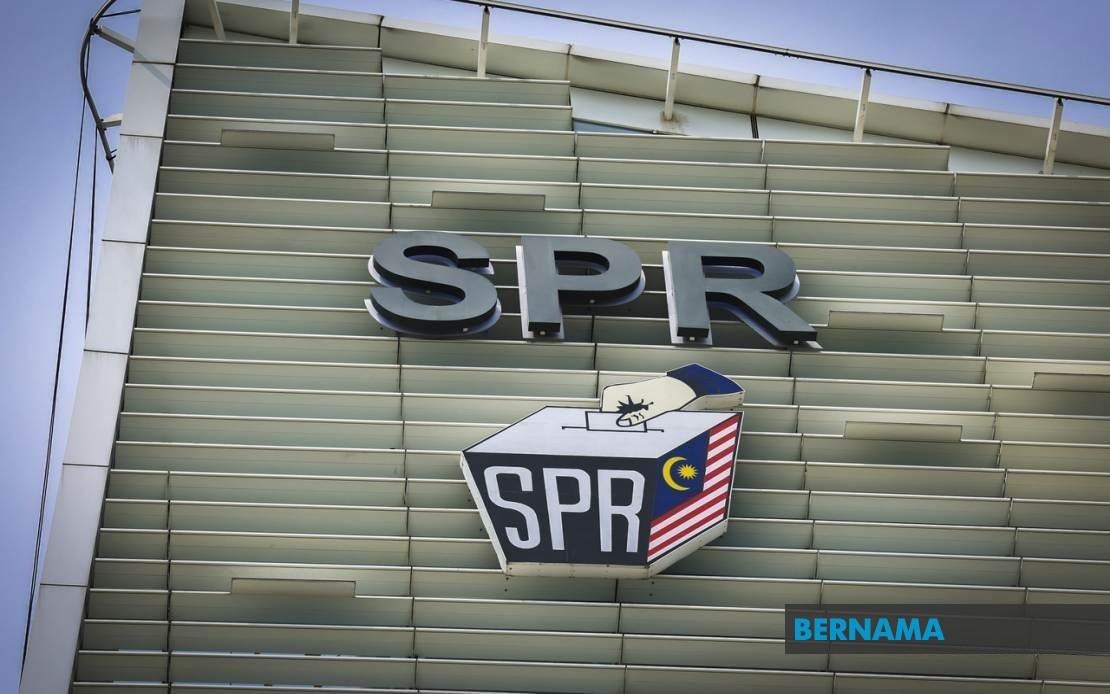
Malaysia's Election Commission has committed to examining a proposal that would grant postal voting rights to auxiliary police officers deployed across the country's strategic facilities and essential infrastructure. The undertaking was announced by M. Kulasegaran, Deputy Minister in the Prime Minister's Department (Law and Institutional Reform), in response to a parliamentary motion raised by Senator Datuk Salehuddin Saidin during the Dewan Negara's Adjournment Speech session. The examination will encompass operational feasibility, existing legal frameworks, and the practical implications for conducting elections smoothly whilst maintaining government continuity.
The proposal addresses a significant gap in electoral access. Approximately 27,000 auxiliary police officers operate across multiple sectors including federal and state government ministries, government-linked companies, public transport operators, airport and port authorities, energy providers, banking institutions, and the oil and gas industry. These personnel maintain security at locations deemed vital to national interests, yet unlike regular police and armed forces members, they currently lack access to early or postal voting arrangements.
The structural problem emerges during election periods when polling day coincides with their security duties. Auxiliary officers cannot simply leave their posts to vote without compromising security at the facilities they protect. While granting simultaneous leave to all auxiliary personnel might seem straightforward, the practical reality proves more complex. Simultaneous absences from critical infrastructure sites could create genuine security vulnerabilities that governments cannot ignore. Salehuddin highlighted this tension in his motion, arguing that the current regulatory framework inadvertently disenfranchises a significant workforce essential to national security.
Under existing regulations, postal voting remains available to three distinct voter categories. The first encompasses Election Commission members, election officials, military and police personnel on duty, and media workers covering elections. The second comprises Malaysian citizens residing abroad seeking to exercise voting rights from overseas. The third includes staff from selected government departments and agencies required to work on polling day. Auxiliary police have never been incorporated into any of these categories, leaving them without formal voting alternatives when duty rosters prevent attendance at polling stations.
Kulasegaran indicated that the Election Commission recognises the legitimacy of this concern and has already taken the proposal under consideration. The Commission's examination will necessarily balance competing interests: enabling vulnerable voter populations to participate in democracy whilst ensuring electoral integrity and operational security. The review process will demand collaboration across multiple government bodies, particularly the Home Ministry and agencies overseeing critical infrastructure sectors. This multi-agency approach reflects the complexity involved in restructuring voting access without creating administrative or security complications.
Beyond the formal examination, Kulasegaran offered interim guidance to auxiliary police and other concerned voters. The Election Commission actively encourages all citizens, including those in security roles, to apply for constituency transfers to their current residential addresses. This administrative option renders voting more accessible by eliminating the requirement to travel to original electoral constituencies during polling periods. Such transfers represent a practical immediate solution, though Salehuddin's proposal seeks more comprehensive permanent arrangements through regulatory amendments.
The motion explicitly proposed that authorities conduct thorough investigation into amending the Election (Registration of Electors) Regulations 1981 to formally include auxiliary police within postal voting eligibility criteria. This regulatory pathway would represent the most durable solution, embedding auxiliary police voting rights within the legal framework governing electoral administration rather than relying on temporary administrative workarounds. Such amendments would require coordinated action from the Election Commission, Home Ministry, and presumably cabinet approval to modify existing regulations.
The timing of this proposal reflects broader political attention to electoral inclusivity and institutional reform. The Dewan Negara session marked a notable procedural milestone: this represented the first government administrative matter debated during the Adjournment Speech session since the mechanism was introduced in 2022 under Senate Standing Order 16. This procedural development suggests growing parliamentary engagement with technocratic governance matters, moving beyond traditional legislative debates toward scrutinising administrative implementation and policy gaps.
For Malaysia's broader electoral landscape, this development carries wider implications. The auxiliary police case exemplifies how modern electoral systems must accommodate specialised occupational categories whose public service responsibilities conflict with traditional voting access. As critical infrastructure expands—particularly in technology, telecommunications, and energy sectors—regulatory frameworks must evolve correspondingly. The Election Commission's willingness to undertake this examination signals openness to modernising electoral regulations in response to demographic and occupational changes.
The auxiliary police situation also highlights tensions between voter participation rights and national security requirements. Malaysia shares these governance challenges with regional peers managing similar conflicts between democratic access and security imperatives. How the Election Commission and government resolve this particular case may establish precedents for addressing comparable situations involving other essential service personnel.
Regional context adds further significance. Several Southeast Asian democracies grapple with analogous voting access issues affecting security personnel, emergency responders, and critical infrastructure workers. Malaysia's approach to this question could inform broader regional discussions about modernising electoral administration in developing democracies balancing participation with operational security.
Kulasegaran's statement indicates no predetermined outcome from the examination. The Election Commission will weigh substantive operational challenges against electoral participation principles, requiring genuine analytical work rather than performative review. The process timeline remains unspecified, suggesting this investigation may require several months of inter-agency coordination and regulatory analysis before any formal recommendations emerge.

