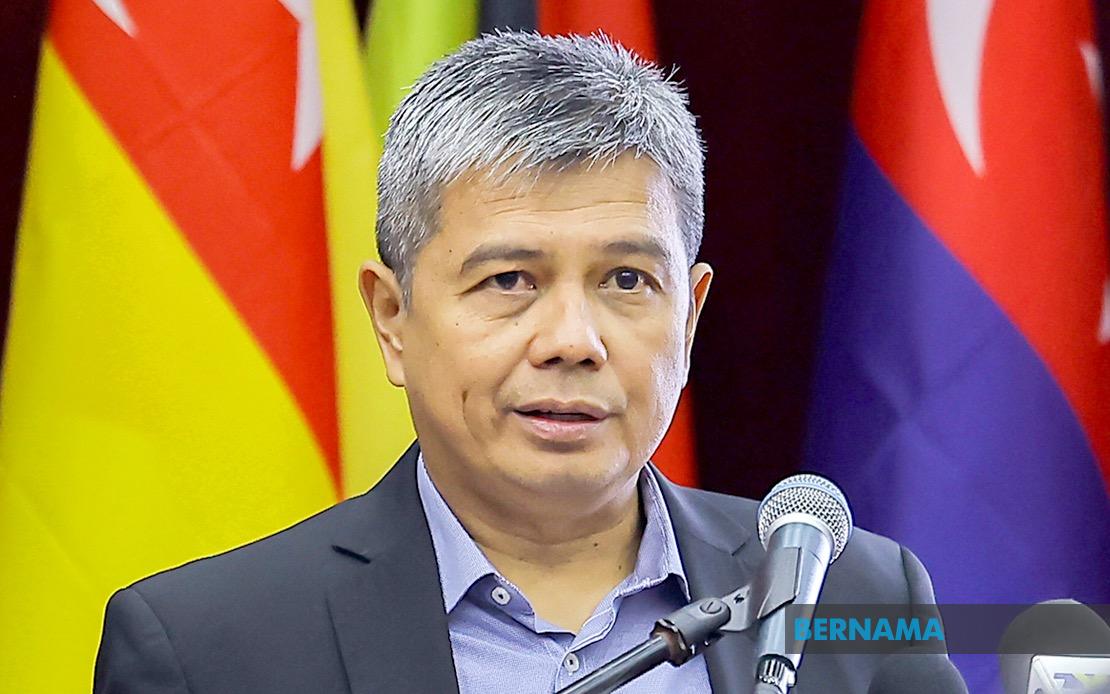
As Johor approaches its 16th State Election tomorrow, the Election Commission has issued a firm reminder that all campaigning must stop at the stroke of midnight tonight, marking the official end of the campaign period. The directive applies universally to every party and candidate contesting in the election, with enforcement extending across traditional and digital platforms alike. Election Commission secretary Datuk Khairul Shahril Idrus emphasised that the cessation of campaign activities is absolute, leaving no grey area for interpretation among political operators who might consider last-minute outreach efforts.
The commission's warning encompasses the full spectrum of modern electioneering tactics. Beyond the conventional methods of ground-level canvassing and public gatherings, parties are explicitly forbidden from continuing their digital presence on major social media platforms once the campaign window closes. Facebook, X, Instagram, TikTok, and Threads all fall within the regulatory scope, reflecting the election authority's acknowledgement that contemporary political messaging has moved substantially online. This comprehensive approach seeks to prevent parties from exploiting the gap between traditional and digital communication channels to extend their campaign reach beyond the designated period.
Pollsters and election observers across Southeast Asia have increasingly noted how digital platforms complicate campaign period enforcement, particularly in younger voter demographics. For Malaysian political parties, the midnight deadline creates practical challenges in managing content already scheduled or queued on automated posting systems. The Election Commission's clarity on this point suggests there will be no allowance for previously scheduled posts that happen to publish after the deadline, placing the onus on campaign teams to disable any automated content systems well before the cutoff.
Beyond the campaign silence rule, the commission has reiterated strict prohibitions against on-the-ground political activity at polling stations themselves. Parties and candidates are barred from establishing, operating, or maintaining campaign booths—locally known as "barung"—on voting day. This prohibition operates under the authority of the Election Offences Act 1954, making violations subject to legal consequences. The regulation reflects a longstanding principle in Malaysian electoral practice: the voting environment must remain politically neutral territory, free from last-minute persuasion or candidate presence that might pressure undecided voters in the final moments before they cast their ballots.
Voter conduct inside polling stations faces similarly strict regulation. The commission has explicitly prohibited the use of mobile phones within voting areas, recognising that such devices could facilitate various forms of election interference or documentation of ballots. Notices announcing this restriction will be positioned both outside and inside polling centres to ensure voter awareness. Registered voters who bring phones to their polling stations must deposit them in designated collection areas after receiving their ballot papers, retrieving them only after completing the voting process. This requirement addresses concerns about voters photographing their ballots or sharing voting information in real-time, practices that could potentially compromise ballot secrecy or enable vote-buying verification.
The practical implications of this mobile phone ban extend to Malaysia's growing cohort of young voters accustomed to documenting daily activities. For many Malaysians, particularly those under 30, the inability to take photographs at the voting station represents a notable departure from their usual social media habits. Election officials expect this rule to be one of the most frequently discussed aspects of polling day procedure, particularly on social media platforms in the hours before voting begins. The commission's proactive positioning of notices suggests an anticipation of public confusion or initial resistance to the requirement.
For voters seeking to navigate the election process efficiently, the Election Commission has recommended consulting the MySPR Semak application, which provides suggested voting times tailored to individual voter distributions across polling streams. This technology-enabled approach aims to reduce congestion and bottlenecks at individual polling centres, allowing the election to proceed smoothly across what is likely a geographically dispersed set of voting locations. However, the commission has clarified that these recommended times are precisely that—recommendations rather than binding requirements. Registered voters retain the flexibility to cast their ballots at any point between 8 am and 6 pm, subject to any variations in gazetted operating hours at their specific polling centres.
The Election Commission has placed particular emphasis on advance preparation, urging voters not to delay their voting until the final hours before polls close at 6 pm. This guidance reflects practical experience from previous elections, where last-minute rushes have occasionally created delays and voter frustration. By encouraging voters to consult their voting information beforehand through available digital platforms, the commission seeks to streamline the voting experience and reduce friction in the electoral process. Voters arriving informed and prepared can move through polling streams more rapidly, benefiting both their own experience and the efficiency of election administration.
Voter identification remains a critical component of Malaysia's electoral safeguards. All voters must bring their identity cards to their assigned polling stations, where election officials will verify their credentials before distributing ballot papers. The commission has explicitly cautioned voters against surrendering their identification documents to anyone other than authorised election officials, a warning that addresses concerns about document tampering or voter fraud. This straightforward guidance reinforces the principle that legitimate election officials maintain specific protocols and identification that distinguish them from other individuals who might approach voters at polling stations.
For Malaysia's employed voters, the Election Commission has reminded employers of their legal obligations under the Election Offences Act 1954 to provide reasonable time off for registered employees to exercise their voting rights. This provision recognises the tension between work commitments and civic participation, establishing a legal floor for employer accommodation of voting behaviour. The commission's public reminder serves as both an informational notice and an implicit enforcement signal that non-compliance will be monitored and potentially prosecuted.
Behind the scenes, the commission has completed comprehensive equipment verification across polling infrastructure. Ballot boxes, indelible ink supplies, ballot papers, and voting booths all underwent inspection on Thursday and Friday before distribution to Presiding Officers at each polling stream. These checks verified both completeness and condition, ensuring that administrative failures or equipment damage do not compromise voting day operations. The transparency of this pre-election maintenance work signals professional election administration to observers and builds public confidence in the electoral process.
For Malaysian voters and political observers, tomorrow's Johor election represents both a significant political contest and a test of electoral administration during a period of heightened digital connectivity. The Election Commission's detailed reminders and technical preparations reflect an institution adapting traditional electoral safeguards to contemporary challenges, where mobile technology and social media create unprecedented possibilities for both legitimate political engagement and potential election interference. As midnight approaches and campaigning ceases, the foundation for a credible, orderly election has been established through both rules and preparation.

