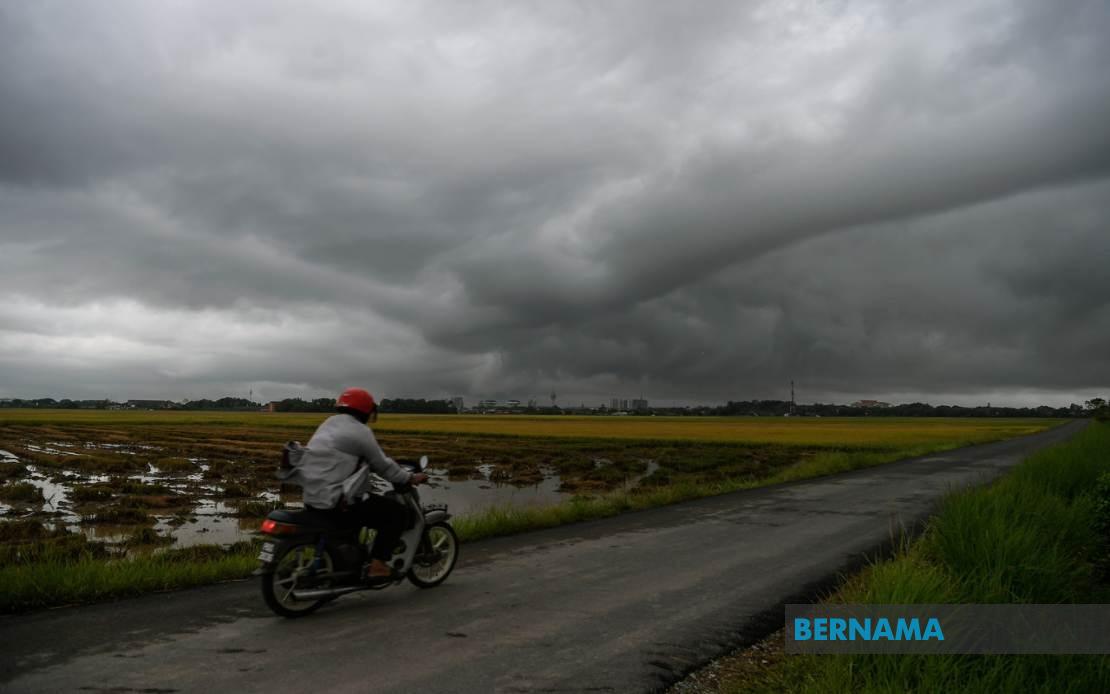
Residents across a broad swathe of Malaysia have been advised to take precautions against dangerous weather conditions, as the Malaysian Meteorological Department issued alerts for thunderstorms, heavy downpours, and strong gusts affecting eight states and multiple districts on July 4. The warning remains in effect until 6 pm, prompting authorities and residents to brace for potential disruptions to daily activities and heightened risks of flooding in vulnerable areas.
The northern region faces particular exposure, with several districts in Kedah placed under alert, including Kota Setar, Yan, Pendang, Kuala Muda, and Sik. The central region is similarly affected, with Manjung and Perak Tengah in Perak experiencing warnings alongside Kemaman in Terengganu. These areas, which often experience monsoonal influences and orographic rainfall patterns, represent traditional flood-prone zones during peak weather seasons.
On the east coast, Kuantan in Pahang has been flagged, while the Klang Valley region faces localized risks with Hulu Langat in Selangor included in the alert. Negeri Sembilan residents in Jelebu and Seremban should also prepare for adverse conditions. The concentration of warnings across multiple states reflects a coherent weather system moving through Peninsular Malaysia, likely associated with monsoon interactions or tropical convection patterns typical of the season.
East Malaysia has not been spared from the meteorological concerns. In Sarawak, authorities have alerted residents in Sarikei within the Sibu division, as well as Mukah encompassing the areas of Tanjung Manis and Daro. These communities, situated along the Rajang River basin and coastal plains respectively, face elevated vulnerability to flash flooding and landslides when intense rainfall occurs. The warning extends across significant population centres, potentially affecting economic activity in these regions.
Sabah's Interior Division bears inclusion in the alert, with Keningau and Tambunan expected to experience severe weather. The West Coast Division, comprising Papar and Penampang, likewise faces thunderstorm and downpour risks. Sandakan District, specifically the Kinabatangan area, completes the Sabah coverage. These divisions encompass both highland regions prone to sudden downpours and lower-lying areas susceptible to water accumulation and flooding.
Thunderstorm warnings carry significant implications beyond mere inconvenience. Strong winds accompanying such systems can damage structures, disrupt power supplies, and pose hazards to outdoor activities and transportation. Heavy rainfall threatens to overwhelm drainage systems, particularly in urban areas with inadequate infrastructure, while rural communities may face road accessibility issues and agricultural disruption.
The timing of the warning, issued on July 4, corresponds with Malaysia's southwest monsoon season, which typically brings variable weather patterns and occasional heavy precipitation to specific regions. Meteorological departments routinely issue such alerts during this period as atmospheric conditions favour convective development and localized intense rainfall events, which can occur with minimal warning and dissipate relatively quickly within hours.
For residents and businesses across the affected areas, the alert serves as a practical advisory to postpone unnecessary outdoor activities, secure loose outdoor items, monitor weather updates, and ensure drainage systems remain clear. Motorists should exercise heightened caution on roads vulnerable to flash flooding, particularly in low-lying sections and near river crossings. Emergency response teams in affected districts typically heighten readiness during such weather windows.
The geographic spread of the warning across Peninsular Malaysia and East Malaysia underscores how weather systems can simultaneously affect disparate regions during certain seasons. While some districts may experience severe impacts, others might receive only light to moderate rainfall, necessitating localized preparedness rather than nationwide disruption. Residents should consult the Malaysian Meteorological Department for updates, as warnings may be extended, modified, or lifted depending on actual atmospheric developments throughout the day.

