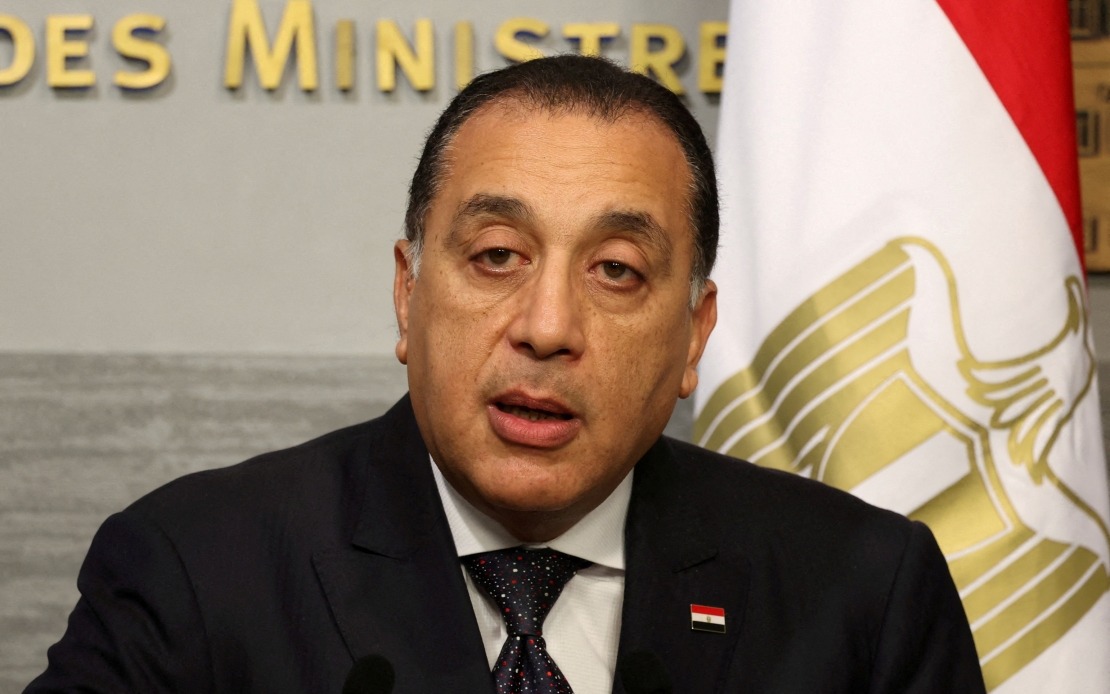
Egypt is pressing ahead with the development of its inaugural nuclear power facility, with government officials confirming that the El Dabaa Nuclear Power Plant is advancing according to schedule, with the first of four reactors anticipated to begin supplying electricity to the national grid in 2028. Prime Minister Mostafa Madbouly outlined the project's progress during discussions with Alexey Likhachev, the chief executive of Russia's Rosatom nuclear corporation, at a ceremony commemorating the installation of the reactor pressure vessel for the plant's second unit. The government has reaffirmed its dedication to adhering to the established construction timeline, viewing the facility as a transformational undertaking that has been realised through close collaboration between Cairo and Moscow.
The El Dabaa Nuclear Power Plant represents a landmark initiative for Egypt, which has long sought to diversify its energy generation methods amid escalating domestic electricity consumption. Rather than relying predominantly on conventional fossil fuels, the government recognises nuclear power as a crucial element of its broader energy strategy aimed at expanding the proportion of low-carbon sources within the national supply portfolio. This shift aligns with international commitments to environmental sustainability whilst simultaneously addressing the twin challenges of energy security and meeting the power requirements of a nation of over 100 million people. The project underscores Cairo's determination to modernise its infrastructure and position itself as a regional energy hub in the coming decades.
Located in the Mediterranean coastal city of El Dabaa, situated approximately 300 kilometres northwest of Cairo in Matrouh Province, the facility will eventually consist of four nuclear reactor units, each capable of generating 1,200 megawatts of electricity. Once fully operational, the plant is expected to produce roughly 4,800 megawatts of generating capacity, a substantial contribution to Egypt's total energy output. The timeline established by Rosatom indicates that following the initial unit's connection in 2028, the remaining three reactors should achieve operational status by 2030, enabling the plant to reach its complete capacity within a relatively condensed window. Such a phased approach allows for the systematic testing and validation of each unit before moving to subsequent installations.
The contractual framework governing this ambitious undertaking was established through bilateral agreements signed between the Egyptian and Russian governments that became operative in December 2017. Russia's involvement through Rosatom extends beyond mere financial investment, encompassing technical expertise, engineering support, and ongoing operational assistance that positions Moscow as a strategic partner in Egypt's energy transition. This partnership reflects broader geopolitical dynamics in the Middle East and North Africa, where Russia has expanded its influence through energy sector engagement. For Egypt, securing Russian technical capabilities and financing mechanisms has been instrumental in advancing a project that might otherwise have encountered significant hurdles in terms of capital availability and specialised expertise.
Madbouly's comments during the reactor pressure vessel installation ceremony highlighted the symbolic importance of the milestone, characterising the El Dabaa project as a long-deferred national aspiration that has finally materialised through sustained diplomatic and technical cooperation. The installation of reactor components represents tangible progress that demonstrates the project is transitioning from planning and preliminary construction phases toward the substantive assembly of critical infrastructure. Such visible advancement serves an important domestic political function, signalling governmental competence and commitment to major infrastructure goals that often command broad public support, particularly given Egypt's persistent energy challenges that have resulted in periodic electricity supply disruptions.
For the broader Southeast Asian and regional context, Egypt's nuclear expansion carries considerable implications. As nations across the region grapple with similar pressures to accommodate rising electricity demand whilst transitioning toward cleaner energy paradigms, Egypt's experience with nuclear development provides a case study in navigating the complex technical, financial, and geopolitical dimensions of such projects. Countries like Vietnam, Thailand, and Indonesia have all contemplated or actively pursued nuclear capabilities, making Egypt's progress particularly relevant to regional energy planners and policymakers assessing the viability of nuclear energy for their own circumstances. The involvement of Russia as a principal technology provider and financier also illustrates alternative pathways to energy development beyond traditional Western suppliers, a factor that influences regional decision-making regarding technology partnerships and supplier diversification.
The security and proliferation dimensions of Egypt's nuclear programme have received scrutiny from international observers, though the International Atomic Energy Agency maintains oversight mechanisms designed to ensure peaceful applications and adherence to non-proliferation standards. Egypt's extensive experience with Russian energy partnerships and its pivotal geopolitical position straddling Africa and the Middle East provide context for understanding how the country navigates the intersection of energy security, strategic autonomy, and international accountability. The El Dabaa project operates within established international frameworks governing nuclear technology transfer and operational safety, though the initiative underscores Cairo's broader effort to reduce its dependence on oil and gas imports whilst establishing itself as a technologically sophisticated actor capable of managing advanced infrastructure systems.
Likhachev's appreciation for Egyptian governmental support during the installation ceremony reflected Rosatom's perspective on the project as a flagship demonstration of Russian nuclear capabilities and commitment to international partnerships outside Western-dominated spheres of influence. For Russia, successful completion of the El Dabaa facility serves multiple strategic purposes: it generates substantial revenue through technology transfers and construction contracts, establishes long-term commercial relationships with a major regional power, and demonstrates the viability of Russian nuclear technology in competitive international markets. This commercial dimension intertwines with broader geopolitical considerations, as energy infrastructure projects often serve as vehicles for extending political influence and cementing bilateral relationships across multiple domains.
The financing architecture underlying the El Dabaa project merits consideration within Malaysia's own energy policy deliberations. Egypt secured funding through Russian state financing mechanisms rather than traditional multilateral development banks, reflecting how countries increasingly access capital from diverse sources and pursue energy partnerships that align with their strategic preferences. Malaysia, similarly positioned as a nation navigating energy transition whilst maintaining energy security, observes such arrangements with interest as it contemplates its own nuclear energy prospects and evaluates potential technology partners and financing models. The ability to mobilise foreign capital, technical expertise, and project management capabilities remains central to executing major energy infrastructure undertakings, particularly those involving emerging technologies that demand specialised knowledge and substantial upfront investment.
The El Dabaa project's advancement also reflects Egypt's determination to manage environmental and economic pressures through strategic infrastructure investment. The nation faces competing demands from rapid population growth, urbanisation pressures, and the imperative to reduce carbon emissions, creating complex policy challenges that nuclear energy is positioned to help address. By establishing a nuclear power facility, Egypt simultaneously pursues multiple policy objectives: augmenting electricity supply capacity, reducing dependency on hydrocarbon imports that strain foreign exchange reserves, positioning itself as an advanced technological nation, and contributing to climate change mitigation objectives that increasingly influence international economic relationships and development finance availability.
Looking forward, successful completion of the El Dabaa facility would represent a transformative achievement for Egypt and establish precedent for nuclear energy deployment across the broader Middle Eastern and North African region. The project's progression through construction milestones will be closely monitored by neighbouring countries, regional analysts, and international energy observers assessing the feasibility and desirability of similar initiatives. Should the facility achieve operational status according to the 2028-2030 timeline, it would validate the Russian-Egyptian partnership model and potentially catalyse additional nuclear projects within Egypt's energy sector. Conversely, any significant delays or technical complications would provide cautionary lessons regarding the complexities of establishing nuclear infrastructure in less industrialised contexts and the risks associated with concentrated reliance on single technology suppliers and financing sources.

