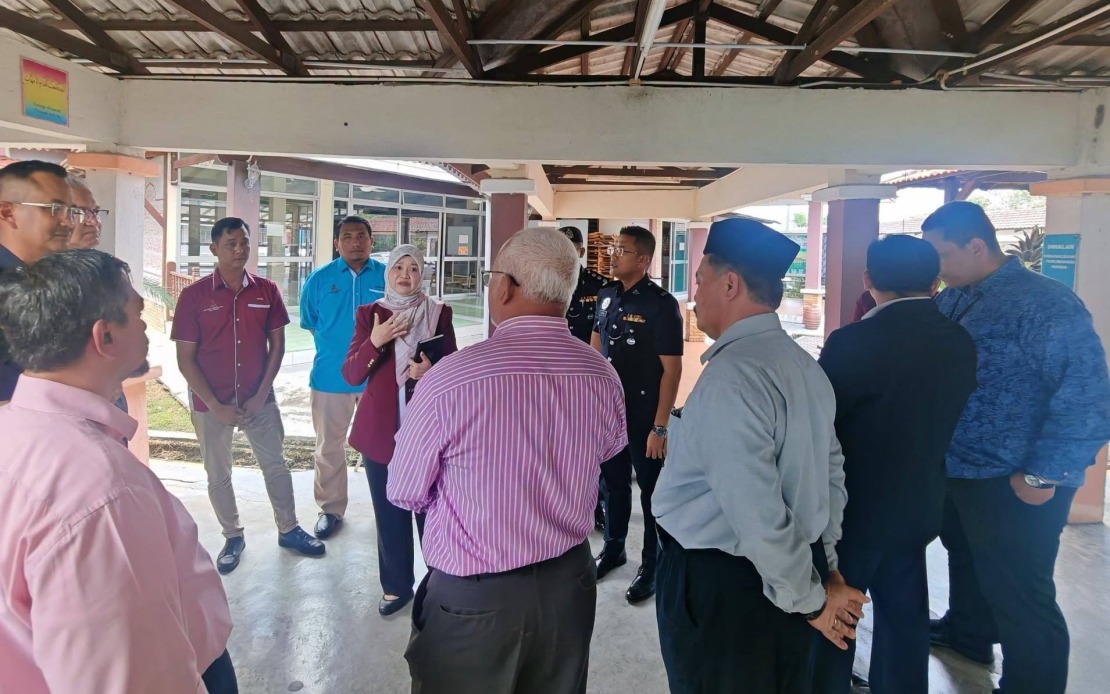
Education Minister Fadhlina Sidek made a direct visit to a secondary school in Banting, Kuala Langat on July 6 after a Form Three female student sustained stab wounds in an incident that occurred during school hours. The minister arrived at the institution at 1.20 pm to assess the situation and consult with school management about the unfolding developments. This high-level intervention underscores the gravity with which Malaysia's education authorities are treating campus safety incidents, particularly those involving violence among students.
The stabbing occurred in the morning, prompting an emergency police response at 9.50 am. According to findings released by Kuala Langat district police chief Supt Mohd Akmalrizal Radzi, the victim was wounded by another female student wielding a knife. The assailant was quickly apprehended, and authorities moved swiftly to secure the premises and control the situation. The injured student has been receiving treatment at Banting Hospital and was reported to be in stable condition when officials assessed her medical status.
Fadhlina's immediate focus centred on three critical areas: ensuring the stabbing victim receives comprehensive medical care, delivering psychological support to traumatised students and staff, and preventing the spread of misinformation during the police inquiry. In a social media statement released the same day, she appealed to the public to exercise restraint and avoid circulating unverified accounts or conjecture about the incident. Her measured response reflected official concern that sensationalised reporting could aggravate the emotional toll on the school community.
The minister also expressed appreciation for the coordinated response from multiple agencies involved in managing the crisis. Her emphasis on institutional support mechanisms highlights growing recognition within Malaysia's education sector that physical safety alone is insufficient following violent incidents. Psychological first aid and trauma counselling for witnesses and affected pupils have become standard protocol in such situations, acknowledging the lasting emotional impact that school violence can inflict on young people.
Banting assemblyman V. Paparaidu, who chairs the Selangor Human Resources and Poverty Eradication Committee, commended the State Education Department for deploying psychosocial support personnel to the school immediately after the stabbing. His statement acknowledged that the state apparatus mobilised counselling services for the victim, her family, and other students caught up in the distressing incident. This coordination between state agencies and educational institutions reflects established procedures for managing trauma in school settings.
However, Paparaidu's follow-up remarks shifted attention to systemic security deficiencies that may have enabled the incident. He stressed that security personnel must maintain heightened vigilance at all times, with particular emphasis on monitoring individuals entering and exiting school grounds during peak arrival and dismissal periods. His comments implied that gate security and visitor screening protocols require reinforcement, suggesting that current measures may have proven inadequate. This assessment raises questions about whether Malaysian schools possess sufficient resources and trained staff to implement comprehensive security frameworks.
The assemblyman underscored that unauthorised individuals must not be permitted to penetrate school perimeters, framing student safety as a foundational requirement rather than an optional enhancement. His insistence that educational institutions function as sanctuaries free from fear and intimidation reflects broader public anxiety about school security following recent violent incidents. The statement carries implicit criticism of security standards, signalling that political leaders expect demonstrable improvements in access control and monitoring systems.
The incident at the Banting school represents another data point in a concerning pattern of violence within Malaysian educational institutions. While stabbings remain statistically uncommon in schools, their occurrence generates disproportionate public concern because they violate the presumed safety of learning environments. For Malaysian parents and educators, such incidents trigger questions about whether schools have adequate protective infrastructure and trained crisis response teams. The visible engagement of national and state-level officials suggests official recognition that school safety demands sustained attention and resource allocation.
The fact that the perpetrator was another student rather than an intruder introduces additional dimensions to security discussions. Campus violence between pupils reflects complex factors including peer conflict, mental health challenges, bullying, and access to weapons, which cannot be entirely addressed through gate security alone. This reality complicates the policy response, requiring schools to balance secure perimeters with early identification of at-risk students and intervention programmes addressing underlying conflict drivers.
Moving forward, the incident will likely prompt reviews of security protocols across Selangor schools and potentially influence national education policy discussions. The involvement of Fadhlina and Paparaidu suggests that relevant authorities will examine whether current safety measures align with evolving threats. Questions about how a knife entered school premises, whether security checkpoints operate at the entry stage, and whether staff supervision of student movements proved sufficient will inform subsequent policy refinements.
The psychological dimension of the response, emphasised equally with physical security considerations, indicates that Malaysian education authorities recognise the long-term impact of campus violence on student wellbeing and academic outcomes. Effective trauma support may determine whether affected students can resume normal educational participation without lasting psychological consequences. Schools in Kuala Langat district and beyond will likely intensify counselling availability and teacher training in recognising signs of distress among pupils traumatised by witnessing violence.
As investigations continue under police direction, school administrators will confront difficult conversations with parents concerned about their children's safety. The incident reinforces that while schools provide nurturing educational environments, they remain vulnerable to sudden violence. Building community confidence will require transparency about what occurred, demonstrable improvements in safety protocols, and evidence that psychological support systems are functioning effectively. For Malaysian education stakeholders, the Banting incident serves as a stark reminder that proactive investment in comprehensive school safety and student wellbeing infrastructure remains essential to protecting Malaysia's young people.

