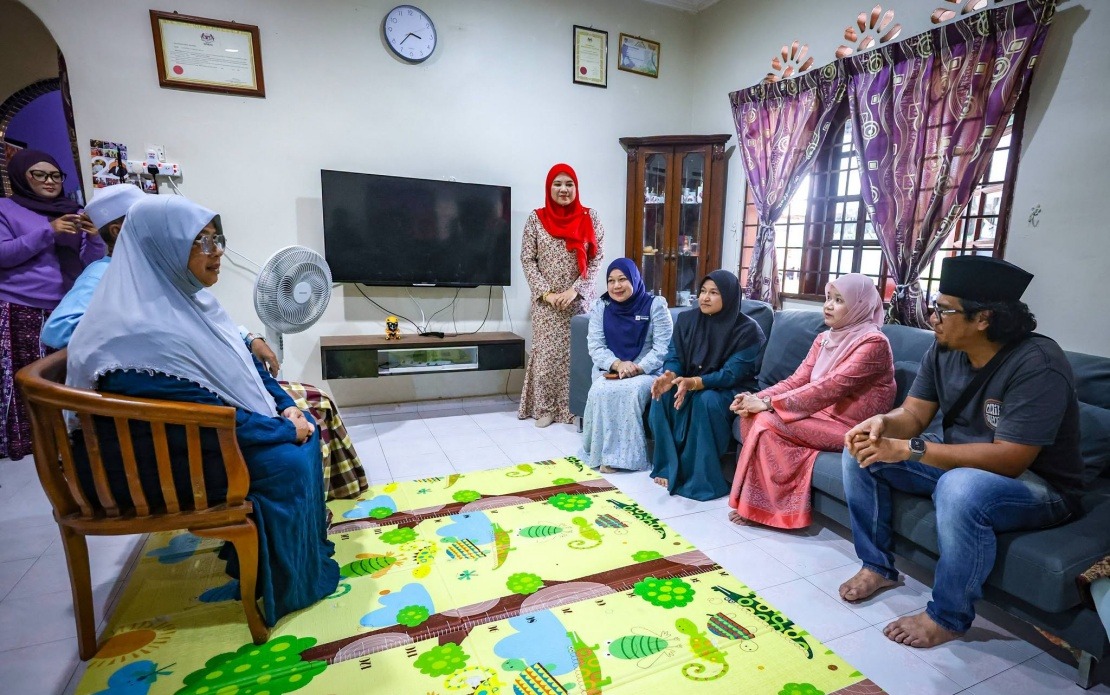
Education Minister Fadhlina Sidek travelled to Melaka on June 26 to pay her respects to the family of Muhammad Raiyan Nufael, a Form Two student whose death during a rugby training session has prompted fresh concerns about student safety in school sports programmes across the country. The minister's visit, conducted on behalf of the entire Ministry of Education apparatus, underscores the gravity of the incident and signals governmental attention to the circumstances surrounding the teenager's death.
Muhammad Raiyan Nufael, aged 14, collapsed at a school in Telok Mas during an organised rugby training session that concluded around 6 pm on Wednesday. According to initial reports, the young athlete had participated in only approximately 15 minutes of physical activity before the incident occurred. The collapse happened during what should have been a routine part of training—a coach's briefing delivered to players during a scheduled break. At this moment, the student suddenly experienced severe respiratory distress that rapidly deteriorated into a life-threatening emergency.
The timing of the collapse, occurring so early into the training session and during a stationary period, raises questions about the underlying medical factors at play. Witnesses present during the session noted that Muhammad Raiyan began struggling to breathe while standing among his teammates listening to coaching instructions. The brevity of physical exertion before the incident suggests the possibility of an underlying medical condition rather than exhaustion or overexertion, though such determinations would require comprehensive medical investigation and autopsy findings.
Fadhlina Sidek's Facebook post following the visit carried language acknowledging both the family's loss and the spiritual dimensions of grief in the Malaysian context. She invoked traditional Islamic expressions of condolence, praying that the late student's soul be granted peace and that his parents receive the emotional strength needed to endure their unexpected bereavement. This approach reflects the minister's sensitivity to the predominantly Muslim society in Malaysia and the religious frameworks through which many families process such tragedies.
The incident at Telok Mas raises broader questions about medical screening protocols for student athletes participating in contact and collision sports such as rugby. International sporting bodies have increasingly emphasised pre-participation cardiovascular assessments, particularly for young athletes, as sudden cardiac death remains one of the leading causes of unexpected death in adolescents during sporting activities. The circumstances of Muhammad Raiyan's collapse—occurring during minimal physical exertion and manifesting as acute respiratory distress—could indicate various underlying conditions that might have been detected through comprehensive pre-sport medical evaluation.
Schools across Malaysia operate rugby programmes as part of their extracurricular and competitive sporting infrastructure, with many institutions fielding teams at district and state levels. These programmes expose hundreds of young athletes annually to the physical demands of a sport classified as high-intensity and high-contact. The tragedy in Melaka will likely prompt school administrators nationwide to review their medical protocols, coaching certifications, and emergency response procedures for situations involving sudden athlete collapse during training and competition.
The availability of automated external defibrillators (AEDs) and trained personnel capable of administering cardiopulmonary resuscitation at school sports venues represents another critical dimension of athlete safety infrastructure. Many Malaysian schools, particularly those in rural or under-resourced areas, may lack ready access to such equipment or may have staff members without current first-aid and emergency response certification. The response time following Muhammad Raiyan's collapse would have been crucial in determining whether emergency interventions could have altered the outcome.
Coaching standards and player welfare policies also merit examination in light of this incident. Qualified rugby coaches should receive training in recognising signs of medical distress, understanding heat illness, managing hydration protocols, and implementing appropriate intensity progression for young athletes. The role of the coach in the immediate aftermath of collapse—whether emergency services were activated promptly and whether any resuscitation attempts were made—will form part of any subsequent investigation into the circumstances surrounding Muhammad Raiyan's death.
The Ministry of Education's response through the minister's personal visit signals an institutional acknowledgment of the tragedy and an implicit commitment to understanding how such incidents can be prevented in the future. Whether this translates into concrete policy changes, enhanced medical screening requirements, or improved emergency preparedness across all schools remains to be seen. Similar incidents in other countries have often catalysed significant reforms in how schools approach athlete health and safety, and Malaysian authorities may draw lessons from international best practices.
For the broader Malaysian sporting community, this incident serves as a sobering reminder of the inherent risks embedded in youth sports participation, even when activities are undertaken in ostensibly controlled school environments. The tragedy of Muhammad Raiyan Nufael's death extends beyond his family to encompass every parent whose child participates in school sports, every educator involved in administering such programmes, and every young athlete who takes to the field trusting that their safety has been adequately prioritised and protected.

