Selangor stands to gain substantial employment opportunities through the ongoing East Coast Rail Link (ECRL) megaproject, with state officials projecting approximately 2,000 job openings in the region's locomotive industry as the national infrastructure initiative progresses. The RM50.27 billion development is emerging as a significant driver of economic activity within the state, particularly as construction and manufacturing phases advance, bringing tangible employment prospects for Selangor's workforce.
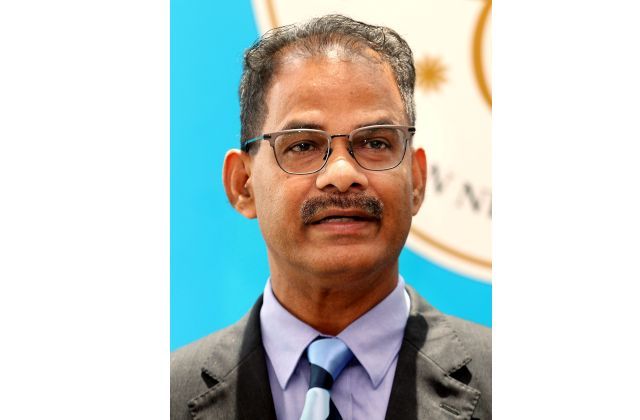
State human resources and poverty eradication committee chairman V. Papparaidu highlighted the locality focus embedded within the ECRL's employment strategy during state assembly proceedings on Tuesday, August 11. Notably, around 80 percent of the positions generated by this major infrastructure undertaking will be filled by local workers, signalling a deliberate commitment to maximizing benefits for Selangor residents rather than relying on external labor sources. This emphasis on domestic workforce utilization reflects broader policy objectives to strengthen opportunities for citizens within their home state.
The ECRL's manpower demand creates immediate relevance for Malaysia's vocational and technical education landscape. Papparaidu articulated the state government's determination to bridge the gap between job requirements and worker readiness through targeted educational pathways. Multiple initiatives have been activated to ensure that young Selangor residents possess the competencies demanded by advanced manufacturing and rail engineering roles, positioning the state's youth as competitive candidates for these high-value opportunities.
The Kerjaya Selangor platform, developed in partnership with the Social Security Organisation (PERKESO), represents a strategic intervention designed to facilitate connections between job-seekers and employers. Operating through the MyFuture Jobs portal, this initiative moves beyond traditional recruitment by conducting comprehensive assessments of applicant qualifications and skills before matching them to specific positions. This data-driven approach addresses the persistent mismatch between graduate capabilities and employer expectations that has challenged Southeast Asian labor markets.
JobCare Selangor exemplifies the state's proactive stance on employment facilitation, organizing job fairs that combine recruitment activities with immediate interview opportunities for technical and vocational education and training (TVET) graduates. Between January and July 2024, Selangor's TVET institutions produced 10,111 graduates, providing a substantial pipeline of skilled candidates equipped for technical roles in emerging industries. These figures underscore the region's capacity to supply qualified personnel for infrastructure projects like the ECRL.
The employment landscape within Selangor encompasses diverse opportunities extending beyond rail-related sectors. During the same January-July period, 78,030 job vacancies across the state required diploma-level qualifications or higher, demonstrating robust demand for skilled labor across multiple industries. Within high-technology sectors including automotive, semiconductors, and advanced manufacturing, 3,965 vacancies emerged for specialized positions such as automotive engineers, data scientists, and software developers—roles that fundamentally depend on technical expertise acquired through TVET pathways.
The alignment between TVET curricula and industry requirements has become increasingly critical as Malaysia pursues advanced manufacturing and technology-driven economic development. Papparaidu emphasized that positions in these elevated-skill sectors demand technical competencies distinctly within the scope of vocational and technical training programs. This recognition validates TVET as a viable pathway to middle and upper-middle income employment, challenging historical perceptions that relegated vocational education to lower-status career tracks.
However, geographic and sectoral misalignment between graduate production and employer location remains an unresolved challenge within Selangor's labor dynamics. Assemblyman Nushi Mahfodz raised concerns about the necessity for comprehensive skills mapping exercises across Selangor's diverse districts, recognizing that Shah Alam, Pelabuhan Klang, and other areas maintain distinct economic structures and industrial compositions. This astute observation highlights how blanket approaches to workforce development may inadvertently create bottlenecks in specific locations while simultaneously producing surplus talent in others.
Papparaidu acknowledged this limitation, noting that effective geographic skills mapping requires collaborative data collection from universities and technical colleges to establish baseline understanding of graduate outputs across different specializations and locations. The complexity of this undertaking—involving coordination across multiple educational institutions, industry bodies, and local governments—illustrates why workforce alignment has historically struggled within Malaysian economic planning. Without systematic district-level analysis, government interventions risk inefficiency despite genuine commitment to employment matching.
The ECRL's employment stimulus arrives during a period of heightened focus on vocational education quality and relevance. Malaysia's broader aspirations toward high-income economy status fundamentally depend on ensuring that technical workforces possess skills aligned with global standards. Infrastructure megaprojects offer tangible mechanisms through which government can validate TVET pathways while simultaneously strengthening industrial capacity within strategic sectors.
For Malaysian policymakers monitoring labor market trends, the ECRL phenomenon demonstrates how major capital investments can catalyze employment if complementary human capital development strategies operate in parallel. Selangor's multi-pronged approach—combining job fairs, digital matching platforms, and targeted TVET curriculum development—provides a replicable model for other states grappling with skills gaps and employment mismatches.
Moving forward, the success of ECRL-related employment generation will partially depend on whether Selangor's government successfully executes the district-level skills mapping that Papparaidu identified as necessary. Strategic workforce placement requires understanding not merely total job counts but rather precise geographic distribution of opportunities and the specific technical requirements of employers in each locality. As the ECRL accelerates toward fuller operational capacity, this granular approach to labor market planning will determine whether the projected 2,000 Selangor jobs materialize equitably across the state's communities.

