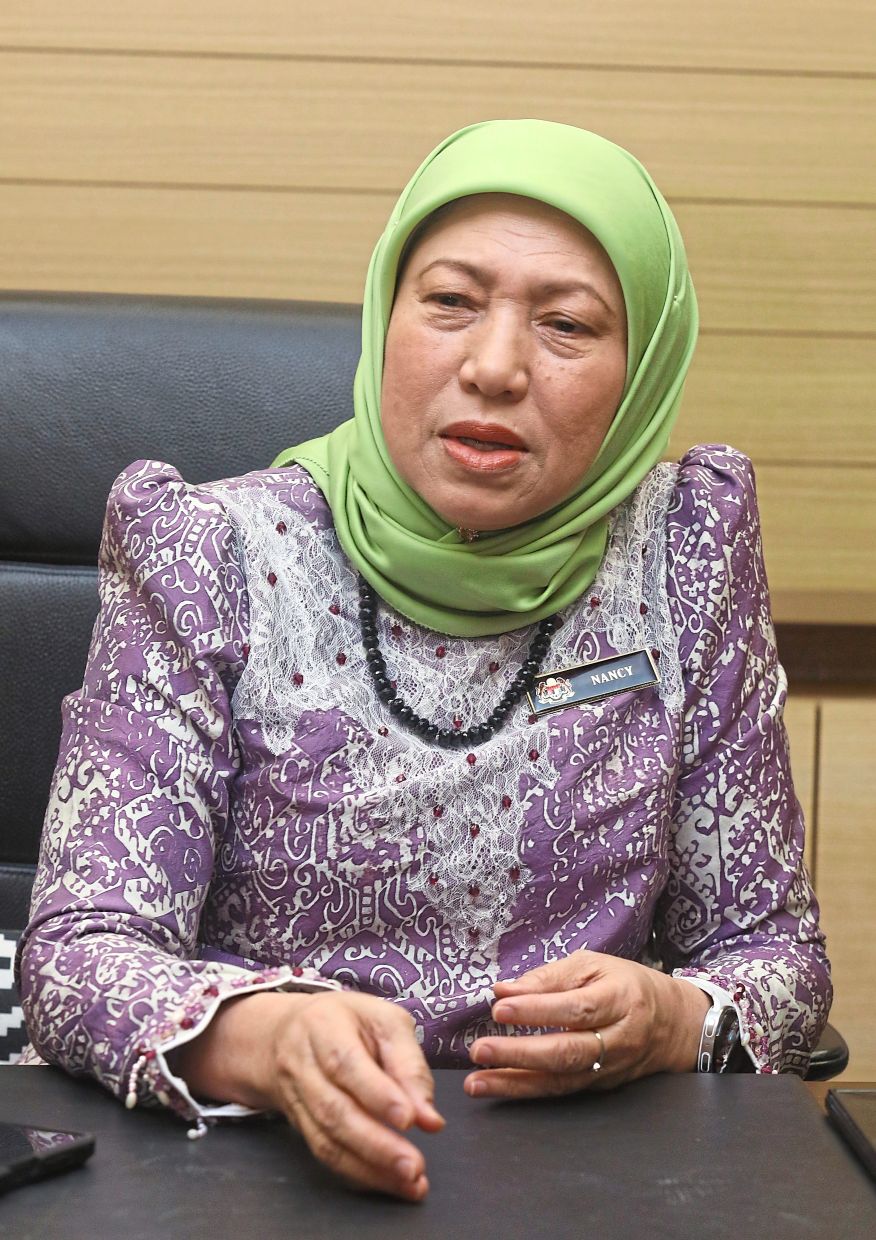
Families with children who have disabilities should prioritise early registration as persons with disabilities, or OKU, as this single administrative step unlocks a comprehensive network of government support spanning healthcare, education, welfare and employment. Women, Family and Community Development Minister Datuk Seri Nancy Shukri underscores that timely registration provides the official recognition necessary for children to access the full spectrum of services designed to support their growth and development, beginning from the earliest years when intervention proves most effective.
The registration process itself, managed by the Social Welfare Department (JKM), follows a straightforward procedure that parents can initiate by submitting their child's birth certificate or identification documents alongside medical certification of the disability and any additional documentation requested by the department. Upon approval, families receive an OKU card serving as formal documentation of the child's disability status. This credential functions as a gateway to multiple forms of assistance that can substantially ease the financial and emotional burden on families navigating the challenges of raising children with special needs.
The scope of available support extends across numerous areas that directly impact a child's quality of life and future prospects. Registered OKU children and their families become eligible for financial assistance programmes, rehabilitation services, early intervention initiatives, access to special education facilities, and various incentives and concessions tailored to their specific circumstances. Healthcare services become more accessible, educational institutions can provide appropriate accommodations, and social development programmes designed specifically for children with disabilities become available. This integrated approach ensures that families receive holistic support rather than fragmented assistance from individual agencies.
Minister Shukri emphasises that delaying registration squanders critical developmental windows, as the early years prove foundational for a child's learning trajectory and overall well-being. Early intervention programmes, when accessed promptly, can significantly improve outcomes for children with disabilities, helping them develop essential skills and capabilities that support greater independence later in life. The minister notes that families themselves benefit substantially from early registration, gaining access to support services and assistance mechanisms that reduce stress and provide practical help during demanding periods of child development.
What distinguishes Malaysia's current policy approach is the recognition that support requirements do not terminate when children complete schooling or reach adulthood. Instead, the government has begun implementing systems acknowledging that individuals' needs, aspirations and circumstances evolve throughout their lives. This represents a conceptual shift from viewing disability support as purely an educational or childhood concern toward understanding it as a lifelong continuum requiring ongoing attention and resource allocation across multiple life stages and sectors.
Employment represents a critical focus area within this expanded framework. The government has introduced job coach services providing on-the-job support that helps individuals with disabilities secure and maintain employment. These specially trained coaches work alongside employees and employers, offering practical guidance while simultaneously fostering more inclusive workplace cultures. By positioning job coaches as bridges between employers and disabled workers, the system addresses both the practical support needs of employees and the institutional barriers that often exclude people with disabilities from meaningful employment opportunities.
Complementing employment initiatives, the government has launched Disability Equality Training (DET) programmes targeting employers, human resource practitioners and employees. Rather than merely raising awareness about disability-related issues, DET aims to catalyse fundamental shifts in how society perceives and relates to disability. Minister Shukri characterises this as a step toward removing systemic barriers and adopting approaches centred on individual needs and abilities rather than deficit-focused perspectives. Such cultural transformation proves essential for creating genuinely inclusive employment environments where disabled workers can flourish rather than merely survive.
Collaboration across sectors amplifies these efforts. The Social Security Organisation (PERKESO) contributes through rehabilitation programmes, skills training initiatives and employment placement services. Digital platforms such as MyFutureJobs connect job seekers including those with OKU status to employers offering suitable positions, expanding access to opportunities that might otherwise remain invisible to disabled workers. This ecosystem approach recognises that no single government agency can comprehensively address the complex needs of persons with disabilities, necessitating coordinated engagement among government bodies, statutory organisations, private sector employers and non-governmental organisations.
Beyond employment, the government is expanding support for lifelong learning, vocational training, entrepreneurship initiatives and independent living arrangements. These diverse pathways recognise that disabled individuals possess varied aspirations and capabilities requiring flexible, diversified support mechanisms. Some may pursue traditional employment, others entrepreneurship, and still others specialised vocational roles. The expansion of options reflects growing understanding that persons with disabilities represent heterogeneous populations with distinct strengths, interests and potential contributions to society.
For parents and guardians, registering a child as OKU represents far more than completing bureaucratic paperwork. This decision fundamentally shapes the child's trajectory by ensuring formal recognition of their disability, facilitating access to tailored support services, and securing entitlements spanning childhood through adulthood. Early registration initiates a process whereby a child's developmental needs receive systematic attention, their emerging capabilities receive nurturing, and their pathways to fuller participation in society become visible and actionable.
The broader significance of emphasising early OKU registration extends beyond individual families to reflect Malaysia's growing commitment to building genuinely inclusive systems. Successive policy initiatives—from job coach services to disability equality training to multi-sectoral collaboration—demonstrate conceptual maturation regarding disability support. Rather than viewing disability as primarily a welfare or charity concern, these measures position persons with disabilities as potential contributors to society requiring appropriate accommodations and support to realise their capacities.
For Malaysian families navigating the complex landscape of disability support, the message is clear: early action generates compounding benefits. Registration delays mean forgone opportunities during critical developmental periods and postponed access to support mechanisms that could ease family burdens. Conversely, timely registration positions children to benefit from a progressively more comprehensive and thoughtfully designed support ecosystem throughout their lives, one increasingly focused on enabling participation, dignity and independence rather than mere institutional care.

