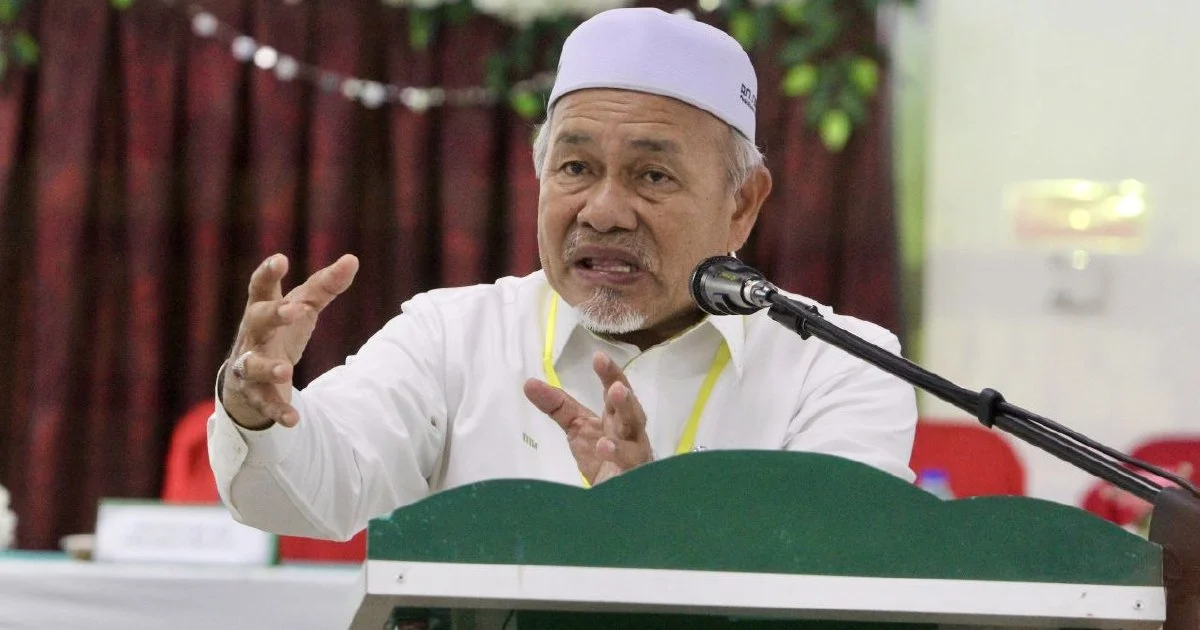
The prospect of Malaysia holding its next general election ahead of schedule has receded significantly following Barisan Nasional's commanding performance in the Johor state assembly elections, according to Pas deputy president Datuk Seri Tuan Ibrahim Tuan Man. In an assessment from Kuala Lumpur, the senior Islamic party leader indicated that Prime Minister Datuk Seri Anwar Ibrahim's government would likely shelve any plans for an early national poll, preferring instead to allow the current parliamentary term to proceed toward its natural conclusion.
Barisan Nasional's resounding victory in Johor, traditionally one of the country's most politically significant states, has altered the calculus for Malaysia's national political establishment. The coalition's performance demonstrated substantial voter confidence and provided its leadership with considerable momentum heading into the national scene. For the Pakatan Harapan-led federal administration, the results presented a mixed signal: while they indicated public engagement with democratic processes, they also underscored the electoral strength of the traditional ruling coalition that still wields considerable grassroots machinery and political infrastructure.
Tuan Ibrahim's remarks carry particular weight given PAS's position within Malaysia's political ecosystem. As the deputy president of the Islamic party, which governs Terengganu and Kelantan, his interpretation of electoral dynamics reflects the perspectives of a party that operates both within and outside the federal coalition framework. His statement suggests that opposition and coalition figures alike perceive little immediate advantage in pursuing the constitutional option of dissolving parliament before the current term expires.
The calculus surrounding early elections in Malaysia has historically centered on multiple factors: the governing coalition's confidence in maintaining parliamentary numbers, public sentiment as reflected in recent polling and electoral results, economic conditions, and the political durability of key leaders. An early election requires the Prime Minister to advise the Yang di-Pertuan Agong to dissolve parliament, a decision typically made when a government believes it commands sufficient public support to strengthen its parliamentary position or when political circumstances make continued governance difficult.
Anwar Ibrahim's coalition government, formed in November 2022 following the general election held in the same month, has navigated numerous parliamentary challenges while managing a diverse group of coalition partners. The stability of this arrangement has remained subject to ongoing scrutiny, with analysts frequently examining whether the government possessed sufficient numbers to govern comfortably. An early election would reset this clock entirely, potentially providing a fresh mandate and addressing any numerical uncertainties that might constrain legislative agendas.
Johor's electoral results, however, appear to have shifted these calculations. The state election served as a significant barometer of public sentiment, and Barisan Nasional's strong showing suggests that the traditional coalition retains substantial electoral appeal across Malaysia's diverse communities. For the federal government, this outcome diminishes the immediate political case for calling voters to the polls, as there exists no clear evidence that an early election would substantially improve Pakatan Harapan's position or provide the government with enhanced parliamentary security.
The timing of elections in Malaysia carries significant implications for regional political stability and investor confidence. Early elections, while constitutionally permissible, can disrupt government continuity and distract from economic and policy priorities. The Anwar administration has pursued several ambitious policy initiatives, including economic reform measures and efforts to strengthen Malaysia's position within regional frameworks. Maintaining political focus on these objectives likely holds greater appeal than engaging in the intensive campaign activities that a national election would necessitate.
From a regional perspective, Malaysia's electoral stability matters significantly for Southeast Asian geopolitics and economic cooperation. The country's role within ASEAN and broader regional arrangements benefits from governmental continuity and clear strategic direction. An unexpected early election could potentially introduce uncertainties in Malaysia's diplomatic positioning and economic policy coordination with neighboring countries, particularly as the region navigates complex trade relationships and security challenges.
Tuan Ibrahim's assessment also reflects the pragmatic view held across Malaysia's political establishment that the current parliamentary term, scheduled to conclude in 2028, provides adequate runway for the government to pursue its agenda. For Barisan Nasional, meanwhile, the Johor victory provides momentum heading toward that eventual national contest without requiring the party machinery to immediately gird for another intense campaign cycle.
The absence of early election momentum also suits PAS, which must balance its roles in federal coalition politics while maintaining its strongholds in the northeast. The party's assessment that Anwar Ibrahim will not call early polls aligns with a broader stabilization of Malaysia's political system following years of significant institutional turbulence. This relative predictability may facilitate longer-term planning among political actors and allow space for policy implementation rather than perpetual campaign mode.
Looking ahead, the political calendar now appears set for Malaysia to proceed toward the constitutional endpoint for parliament's current term. This trajectory suggests that any significant electoral reshuffling at the national level remains several years distant, barring dramatic political developments or the government facing a loss of parliamentary confidence. For now, Johor's result appears to have offered enough reassurance to Barisan Nasional and sufficient pause to Pakatan Harapan that the current parliamentary arrangement will continue functioning without the disruption of an early election.
The stability this represents carries implications extending beyond Malaysia's borders. A country navigating significant economic transitions and maintaining important regional partnerships benefits from political predictability. With early elections apparently off the table for now, Malaysia's government can focus sustained attention on implementing its policy priorities while opposition and coalition partners alike adjust their strategies toward the expected 2028 general election.

