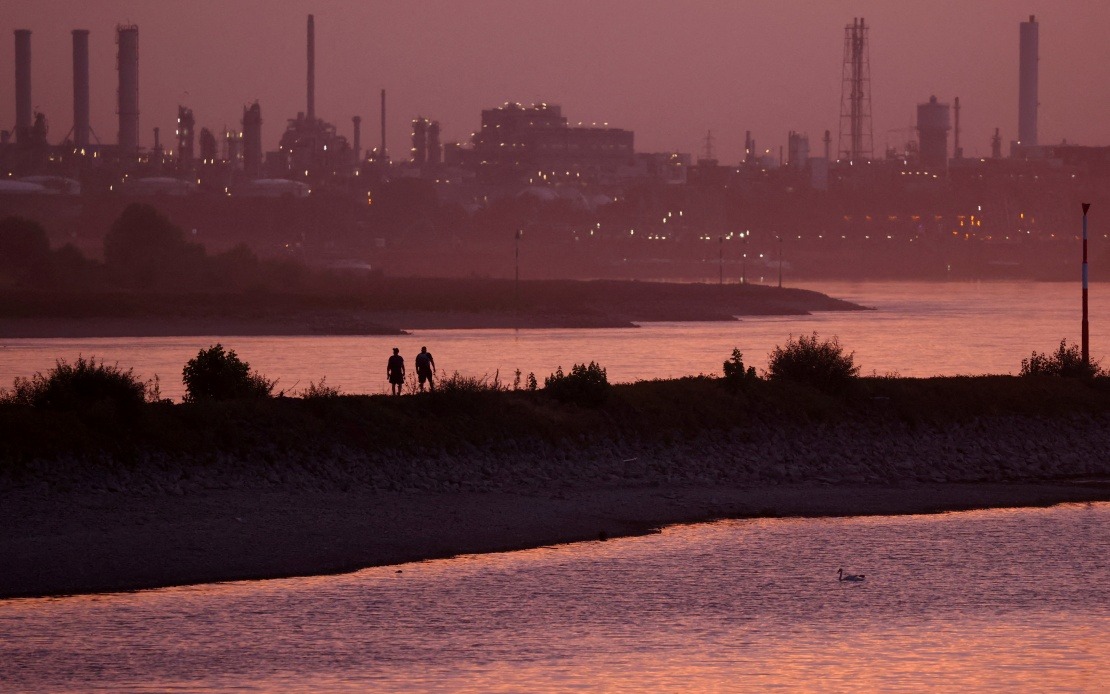
A 500-kilogramme United States aerial bomb discovered in the Rhine river near Cologne is being prepared for defusal by German explosives experts, following its exposure by exceptionally low water levels that have plagued Europe's most critical inland waterway. The ordnance, located at Rheinpark and identified on Wednesday evening, represents one of thousands of unexploded devices still buried across Germany and neighbouring countries more than 70 years after the conclusion of World War II in Europe. The find underscores both the lingering physical legacy of wartime bombing campaigns and the dramatic climatic challenges now facing the region.
The defusal operation has prompted substantial disruptions to life in the surrounding area. City authorities have ordered the evacuation of approximately 360 people residing or employed within a 400-metre safety perimeter around the discovery site. This zone encompasses residents of a retirement facility as well as personnel at the nearby RTL television studios, a major German broadcaster. Officials have not yet disclosed the precise timing of the defusal procedure, suggesting that preparations are still ongoing and that authorities are proceeding with appropriate caution given the bomb's size and the density of civilian occupation in the surrounding district.
The exposure of this dangerous relic reflects the extraordinary climatic stress affecting the Rhine, which serves as the commercial and industrial backbone of German freight transport. On Thursday, the water level at Cologne's gauge station descended to just 67 centimetres, matching a record low achieved mere days previously. Forecasts suggested further deterioration, with predictions of a decline to 66 centimetres by later in the day, indicating that the drought conditions driving these historic lows remain unabated. The combination of prolonged heat and severely deficient rainfall has created conditions reminiscent of previous drought years, though the current crisis appears particularly acute.
Shipping along the Rhine faces mounting economic pressure as a result of these shallow conditions. Barge operators and freight companies have been compelled to substantially reduce cargo loads, as vessels drawing deeper water cannot navigate safely through sections where the riverbed lies perilously close to the surface. This constraint cascades through German and broader European supply chains, forcing expensive rerouting or delays for goods that would ordinarily move swiftly by water. The Rhine's role in connecting industrial regions from Switzerland through the Netherlands means that disruptions here reverberate across multiple national economies and affect manufacturers dependent on just-in-time supply systems.
The broader implications of sustained low water levels extend beyond immediate commercial disruption. Hydrological forecasts offer little comfort to those depending on river transport or water-dependent industries. Authorities have indicated that water levels are expected to rise only marginally over the coming days, with no indication of a sustained recovery emerging from meteorological projections. This suggests that the region faces a prolonged period of constrained river navigation and continued exposure of submerged objects, with the possibility of further discoveries of wartime ordnance or other hazardous debris.
The discovery also highlights a phenomenon that becomes more visible during low-water periods: the extensive contamination of European rivers and waterways by unexploded ordnance from both world wars. The Rhine, having been the site of sustained bombing campaigns by Allied forces targeting German industrial and transportation infrastructure, contains numerous bombs that sank or were deposited along its bed decades ago. As water levels recede, these dangerous relics gradually reappear, creating public safety challenges for the communities situated along the riverbank. Each discovery requires expensive and disruptive emergency responses, including evacuations, expert assessments, and carefully controlled defusal or demolition procedures.
For Malaysian and Southeast Asian observers, the Rhine situation illustrates vulnerabilities that extend beyond military history. The incident demonstrates how critical infrastructure can become simultaneously stressed by climate-driven water scarcity and by the persistent consequences of historical conflict. Southeast Asia's own river systems, particularly the Mekong, face comparable pressures from drought, upstream dam construction, and water demand, though without the added layer of unexploded ordnance risk. The economic impact of the Rhine disruption serves as a cautionary example of how environmental constraints can undermine logistics networks and supply chains, a concern increasingly relevant as climate patterns become more erratic across the region.
The discovery near Cologne is neither unprecedented nor likely to be the last such find. German authorities maintain specialized teams trained specifically in dealing with unexploded wartime ordnance, reflecting the reality that such discoveries occur regularly across the country. However, the clustering of several discoveries during the current drought, and the scale of the bomb now requiring defusal, suggest that the combination of historical contamination and contemporary climate extremes presents a growing challenge. Communities in affected areas must contend with sudden evacuation orders and the attendant economic disruption that accompanies bomb defusal operations.
The incident also raises questions about future resilience as climate change intensifies drought conditions across Europe. If low-water periods become more frequent and severe, the exposure of additional wartime ordnance will accelerate, placing greater demand on already-stretched specialist resources and forcing more communities to undergo evacuation procedures. The costs of managing these historical hazards in a context of environmental stress will likely increase substantially, representing a form of indirect expense imposed by both historical conflict and contemporary climate pressures. For river-dependent economies and communities, this convergence of challenges presents a compound risk that extends well beyond the immediate crisis at Cologne.

