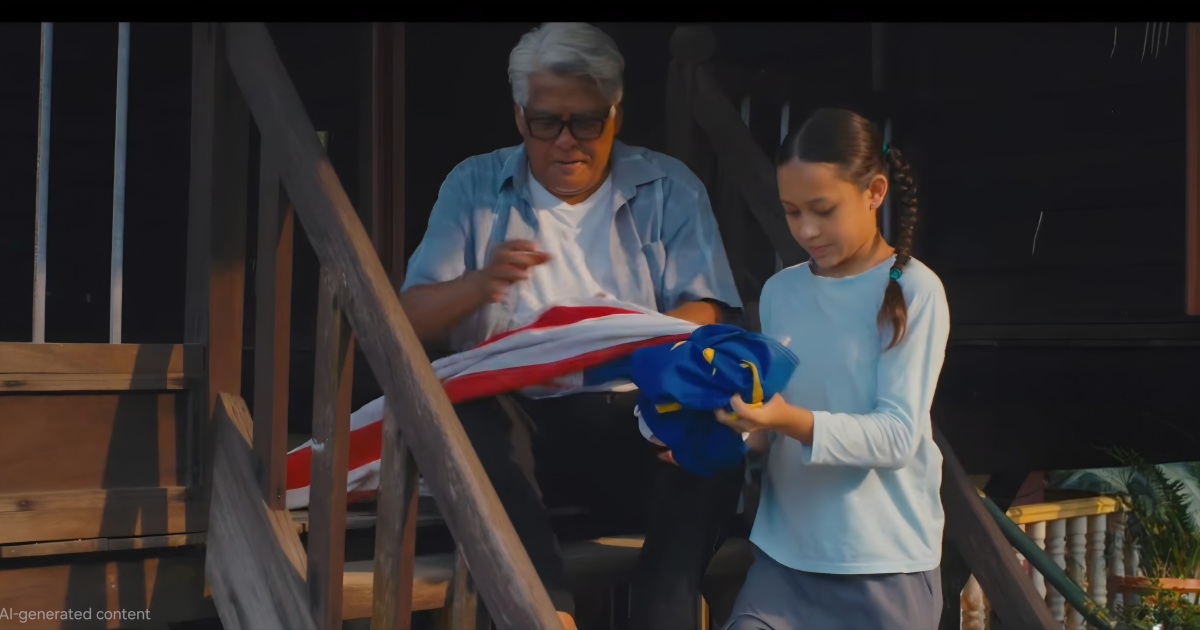
Deputy Prime Minister Datuk Seri Fadillah Yusof has released an eight-minute video that speaks to a fundamental question at the heart of Malaysian nationhood: who does this country truly belong to? The message, shared on his official Facebook page during the Hari Kebangsaan season, underscores a vision of Malaysia as a shared home for all its citizens, transcending the divisions that frequently dominate public discourse.
The timing of the video carries particular significance as Malaysia prepares to commemorate its independence, a moment when the nation traditionally takes stock of its journey and contemplates its future direction. Independence Day celebrations often become focal points for discussions about national identity, social cohesion, and the values that bind Malaysians together. By releasing such a message during this period, Fadillah is positioning himself within a broader conversation about what it means to be Malaysian in the contemporary landscape.
The response from online audiences suggests that the video has touched something resonant in the collective consciousness. In an era marked by polarised social media discourse and frequently contentious debates about citizenship, belonging, and communal rights, the Deputy Prime Minister's emphasis on inclusivity appears to have found an appreciative audience. The organic engagement the video has generated indicates that many Malaysians are hungry for leadership messaging that prioritises unity rather than division.
This particular appeal carries weight given Malaysia's complex demographic composition and the historical tensions that have occasionally emerged around questions of national belonging. The constitutional framework that established the nation at independence in 1957 represented a delicate bargain among communities, codifying specific provisions while also enshrining principles of shared citizenship. More than six decades later, navigating these dynamics remains central to governance and social cohesion. Messages that emphasise the inclusive dimensions of this founding compact thus address ongoing debates with direct relevance to contemporary politics.
The video format itself merits consideration as a strategic communication choice. Rather than issuing a statement or delivering remarks through traditional channels, Fadillah opted for a medium that allows for emotional resonance and visual storytelling. This approach reflects evolving expectations about how political leaders communicate with citizens, particularly younger and more digitally engaged populations who increasingly consume news and political messaging through social platforms rather than conventional media.
The content of Fadillah's message—that Malaysia fundamentally belongs to all of us—represents a straightforward articulation that nonetheless carries interpretive weight depending on political context. In recent years, Malaysian political discourse has occasionally featured rhetoric that emphasises communal or religious particularism, sometimes implicitly questioning the equal belonging of certain citizen groups. Against this backdrop, an unambiguous statement of universal Malaysian belonging from a senior government figure assumes heightened significance and addresses anxieties that segments of the population may harbour.
For Southeast Asian observers, Malaysia's approach to managing diversity within a single nation-state holds broader regional significance. The region encompasses numerous countries grappling with their own questions about national integration, the relationship between majority and minority communities, and the role of religion and ethnicity in defining citizenship. Malaysia's success or struggles in navigating these issues thus carries implications beyond its own borders, offering lessons—both positive and cautionary—to neighbouring states confronting similar challenges.
The reception the video has garnered also reflects public appetite for positive messaging during a period when news cycles frequently emphasise division, conflict, or dysfunction. Whether regarding economic challenges, political conflicts, or social tensions, Malaysian media coverage often gravitates toward conflict narratives. Content that articulates aspirational visions of the nation and calls for unity can therefore serve an important counterbalance, offering citizens an alternative framework through which to understand their country and its possibilities.
For the Deputy Prime Minister's own political positioning, the video represents a calculated intervention in ongoing conversations about leadership values and national direction. As the number two figure in government, Fadillah occupies a position where his messaging carries particular weight, serving simultaneously to reflect and shape government policy and values. A video centring unity and inclusive belonging thus functions not merely as seasonal messaging but as a statement about governing priorities and the vision driving the administration.
The broader implications for Malaysian politics warrant consideration as well. Elections and political campaigns frequently activate communal identities and leverage divisions as mobilising forces. Against this landscape, political leaders who articulate inclusive nationalist messages position themselves within a distinct rhetorical camp, signalling commitments to a particular vision of politics and governance. The success of such messaging in generating genuine public resonance—rather than being dismissed as opportunistic or insincere—depends on perceptions of authenticity and whether such words align with observable political actions.
Looking ahead, the video's reception may influence how political leaders across the Malaysian spectrum approach messaging around national identity and unity. If inclusive messaging genuinely resonates with substantial portions of the electorate, it creates incentives for other political figures to adopt similar rhetorical frameworks. Conversely, if such messaging is perceived as merely cosmetic or disconnected from substantive policy, it may lose traction and credibility.

