The Department of Occupational Safety and Health (DOSH) has commenced a forensic investigation into the roller coaster incident at Sunway Lagoon, marking an escalation in the regulatory response to what appears to be a significant safety concern at one of Malaysia's premier leisure destinations. The move signals that authorities are treating the matter with considerable gravity, deploying specialist investigative techniques typically reserved for complex industrial accidents or serious workplace incidents.
Forensic investigations in occupational safety contexts differ markedly from routine inspections, involving detailed technical analysis, material examination, and reconstruction of events leading to the incident. Such probes demand expertise spanning mechanical engineering, safety systems analysis, and human factors assessment. The decision by DOSH to undertake this level of investigation suggests the incident raised troubling questions about asset maintenance, operational procedures, or systemic safety management that cannot be resolved through standard compliance reviews.
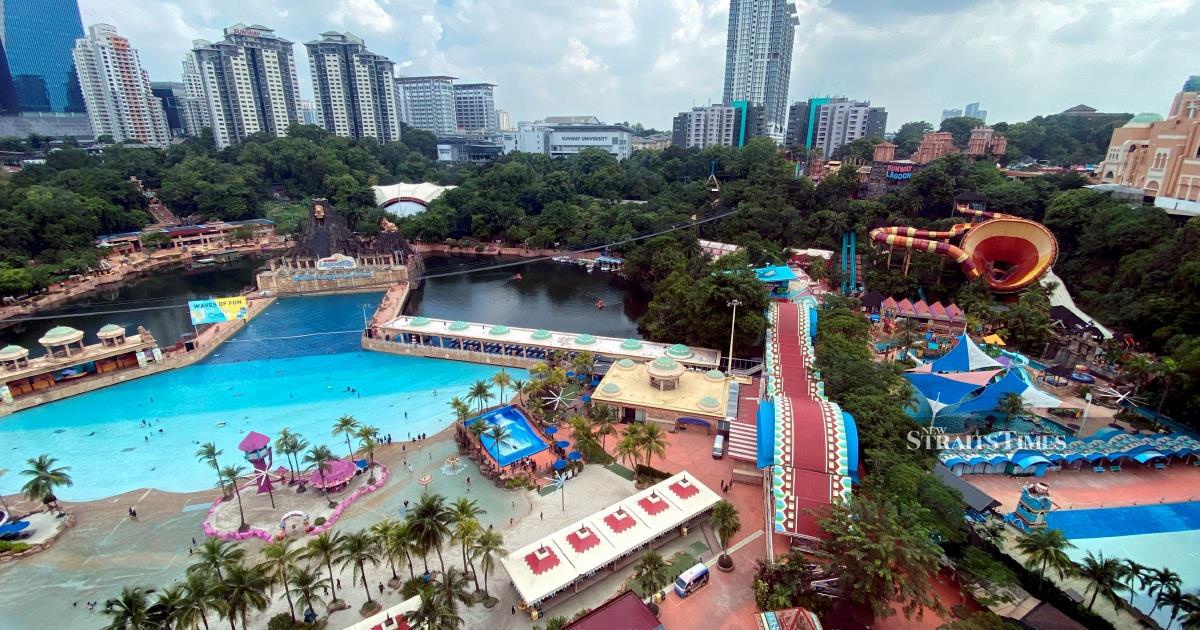
Sunway Lagoon, situated in the Petaling Jaya region, remains among Malaysia's most visited theme parks, attracting both domestic tourists and international visitors seeking entertainment experiences. The roller coaster in question represents a significant attraction within the park's infrastructure portfolio. Incidents at such high-profile venues carry implications extending beyond the immediate safety concerns, affecting public confidence in Malaysia's leisure and hospitality sectors and potentially influencing consumer behaviour in the broader regional tourism market.
The forensic approach employed by DOSH typically involves comprehensive documentation of all physical evidence, interviews with operators and witnesses, examination of maintenance records, and assessment of design specifications against operational reality. Investigators will scrutinise whether established safety protocols were followed, identify any mechanical or structural anomalies, and determine whether human error, equipment failure, or systemic deficiencies contributed to the incident. This multifaceted examination provides authorities with detailed understanding necessary for implementing targeted corrective measures.
Theme park safety represents a critical dimension of occupational health and safety regulation, given the combination of mechanical complexity, high-velocity motion, human variability, and the vulnerability of diverse visitor populations including children and elderly individuals. Malaysia's regulatory framework requires park operators to maintain equipment to exacting standards, conduct regular inspections, train staff rigorously, and implement comprehensive safety management systems. Any breach in these requirements can expose both visitors and operators to serious harm, justifying intensive regulatory investigation.
The timing and scope of DOSH's forensic probe will likely influence broader industry practices across Malaysia's theme park and amusement venue sector. Other operators managing similar attractions will monitor the investigation's findings closely, recognising that conclusions drawn may establish precedents affecting their own compliance obligations. The thoroughness of this investigation may also shape international perceptions of Malaysia's commitment to visitor safety, an important consideration for a nation competing in the regional tourism marketplace against Thailand, Singapore, and other Southeast Asian destinations.
Industry observers note that forensic investigations typically conclude with detailed technical reports outlining root causes and recommending specific remedial actions. Such findings often trigger equipment modifications, operational procedure changes, staff retraining initiatives, or accelerated maintenance schedules. In some cases, investigations have led to temporary closure of problematic attractions pending implementation of engineering corrections. The eventual publication of investigation findings—whether through formal regulatory channels or via media disclosure—will provide crucial information to the public regarding the incident's nature and the measures implemented to prevent recurrence.
The incident occurs within a broader global context of heightened attention to amusement park safety, with regulatory bodies worldwide strengthening oversight mechanisms and operators investing substantially in advanced monitoring systems, predictive maintenance technologies, and safety infrastructure upgrades. Malaysia's DOSH investigation aligns with contemporary international best practices in occupational safety investigation, employing methodologies that have proven effective in identifying latent system failures and preventing future incidents.
Beyond immediate safety considerations, this investigation underscores the evolving expectations placed upon Malaysia's leisure industry to maintain international safety standards. As regional economies compete aggressively for tourism dollars, visitor confidence in personal safety becomes an increasingly important competitive factor. Transparent, rigorous investigation processes and demonstrable commitment to safety improvements enhance rather than diminish market confidence, signalling to potential visitors that Malaysia takes their wellbeing seriously.
The investigation's outcome will also carry implications for regulatory strategy across Malaysia's occupational safety apparatus. Success in identifying and remedying the underlying causes will reinforce DOSH's investigative capabilities and resource allocation priorities, while also informing broader policy discussions regarding preventive safety measures, inspection frequency standards, and enforcement protocols within the leisure and entertainment sector. Stakeholders throughout Malaysia's tourism and hospitality industries will closely track this investigation's progression and conclusions.

