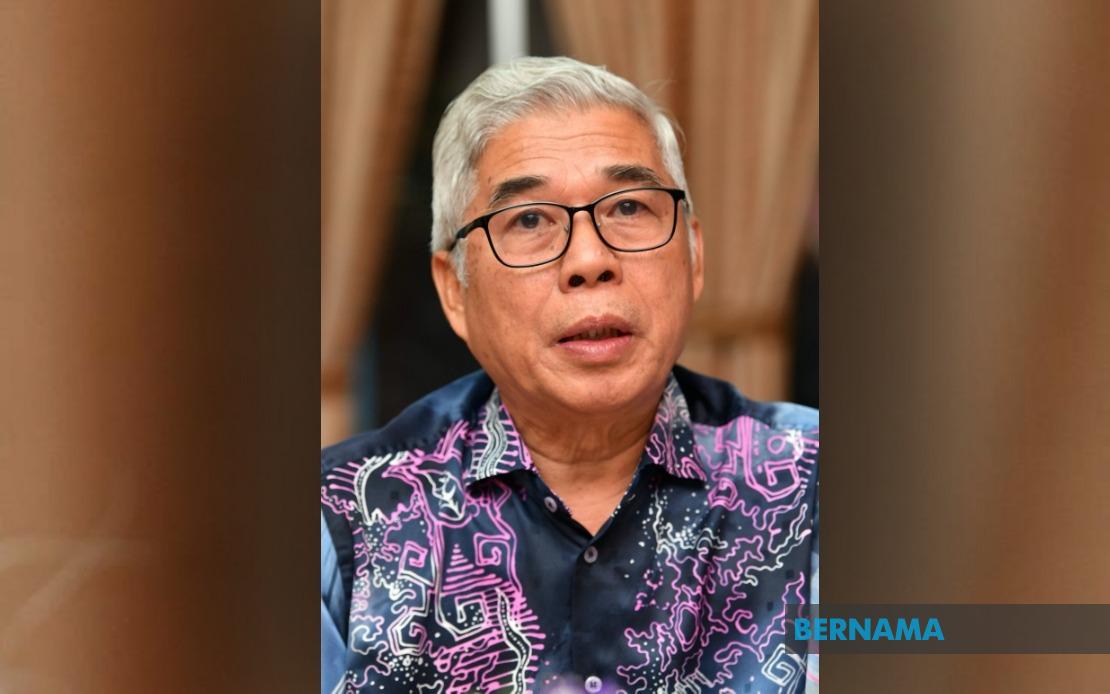
Pasir Gudang Member of Parliament Hassan Abdul Karim has counselled the MADANI administration against triggering an early poll, arguing instead that the government should serve out its full mandate to demonstrate the effectiveness of its policy agenda. His intervention comes in the wake of mounting speculation about when Prime Minister Datuk Seri Anwar Ibrahim might dissolve Parliament to trigger the 16th General Election (GE16), particularly following PKR's mixed performances in recent state elections across Sabah, Johor and Negeri Sembilan.
In a Facebook statement published in Johor Bahru, Hassan suggested that the ruling coalition—Pakatan Harapan—risks squandering a strategic opportunity if it opts for an expedited election cycle driven by recent electoral setbacks rather than allowing its governance record to mature. He specifically urged Anwar not to act on impulse following PKR's disappointing showings, warning that such a decision would mirror the very emotions of defeat that the party's grassroots supporters were currently processing. The timing of Hassan's remarks reflects broader anxieties within the coalition about whether an immediate election call would play to its advantage or expose organisational weaknesses.
The Pasir Gudang MP framed the argument in terms of economic delivery and public perception management. He contended that allowing the government to operate through to late 2027 or early 2028—the natural expiration of the current parliamentary term—would grant sufficient runway for the MADANI administration's economic initiatives to bear measurable fruit. This reasoning suggests that Hassan believes current voter sentiment remains unsettled regarding the government's capacity to improve living standards and economic competitiveness, a concern that resonates across much of Southeast Asia as middle-income nations grapple with inflation, currency volatility, and slowing growth momentum.
Hassan's proposal to invest the next 12 to 18 months in strengthening economic fundamentals carries particular weight given Malaysia's current economic position. The country faces headwinds from global trade uncertainties and regional competitive pressures, making the attraction of foreign direct investment a critical policy objective. His emphasis on using this interim period to bolster FDI inflows and rebuild public confidence in government economic stewardship reflects a pragmatic assessment that electoral victory ultimately depends on voters perceiving tangible improvements in their material circumstances. The implicit acknowledgment here is that recent PKR election losses stem partly from concerns about whether the coalition can deliver on promises of inclusive growth and improved prosperity.
The psychological dimension of Hassan's intervention warrants attention, particularly his appeal to PKR members and supporters to resist discouragement following recent setbacks. His invocation of PKR as a "reform party" composed of fighters willing to face defeat suggests recognition that a demoralised party machinery heading into a snap election would likely underperform. This perspective aligns with established political science insights about how organisational morale and volunteer engagement directly influence ground-level campaign effectiveness. By advocating for a longer consolidation period, Hassan implicitly argues that the coalition requires time not merely to refine policies but to rebuild internal cohesion and electoral confidence.
For Malaysian voters and political analysts, Hassan's position articulates a faction within the MADANI coalition that favours consolidation over opportunism. This reflects tensions inherent in coalition politics, where coalition partners operate according to different risk calculations and strategic timelines. PKR's junior partners in the ruling arrangement may view an early election differently, particularly if recent state election results have altered their assessments of the coalition's electoral strength. Hassan's intervention thus serves as a barometer for intra-coalition dynamics and the degree to which the MADANI government has genuinely unified its diverse members around a shared vision.
The emphasis on allowing economic policies time to demonstrate results also carries implications for how the government prioritises immediate short-term versus longer-term structural reforms. If Hassan's logic prevails, it suggests the coalition would be more inclined to pursue measures with delayed but substantial impacts rather than quick-fix announcements designed primarily for electoral messaging. Conversely, if the government opts for an early election regardless of such counsel, it signals a judgement that economic conditions are unlikely to improve sufficiently by late 2027 to boost electoral prospects, or that political opportunities for the coalition are narrowing rather than expanding.
Regionally, Hassan's argument reflects broader Southeast Asian debates about the relationship between electoral timing and economic governance. Countries across the region regularly confront choices between consolidating policy gains and capitalising on perceived windows of electoral advantage. Malaysia's experience under the MADANI government, which took office amid high expectations for reform and economic renewal, offers instructive lessons about how quickly such goodwill can erode if tangible benefits fail to materialise for ordinary citizens. The Pasir Gudang MP's plea for patience implicitly acknowledges that this administration's legitimacy rests heavily on its ability to outperform its predecessors in delivering measurable improvements.
Hassan's invocation of the MADANI government's "full mandate" also touches on important questions about democratic accountability and electoral cycles. While his suggestion to defer elections until late 2027 or early 2028 respects constitutional requirements, it nonetheless reflects a judgment about when voters can best assess government performance. This temporal framing becomes particularly significant in a Malaysian context where recent elections have been characterised by sharp swings in voter sentiment, indicating that public opinion remains volatile and responsive to perceived shifts in government effectiveness or competence.
The intervention ultimately positions Hassan as a voice for strategic patience within PKR and the broader MADANI coalition. Whether Prime Minister Anwar and the coalition leadership heed such counsel will significantly shape the political calendar and domestic policy priorities for coming years. The stakes extend beyond mere electoral calculus; they encompass fundamental questions about whether Malaysia's government can maintain focus on medium-term economic restructuring or whether it will succumb to pressures for premature electoral contests that might sacrifice long-term transformation for short-term political advantage.

