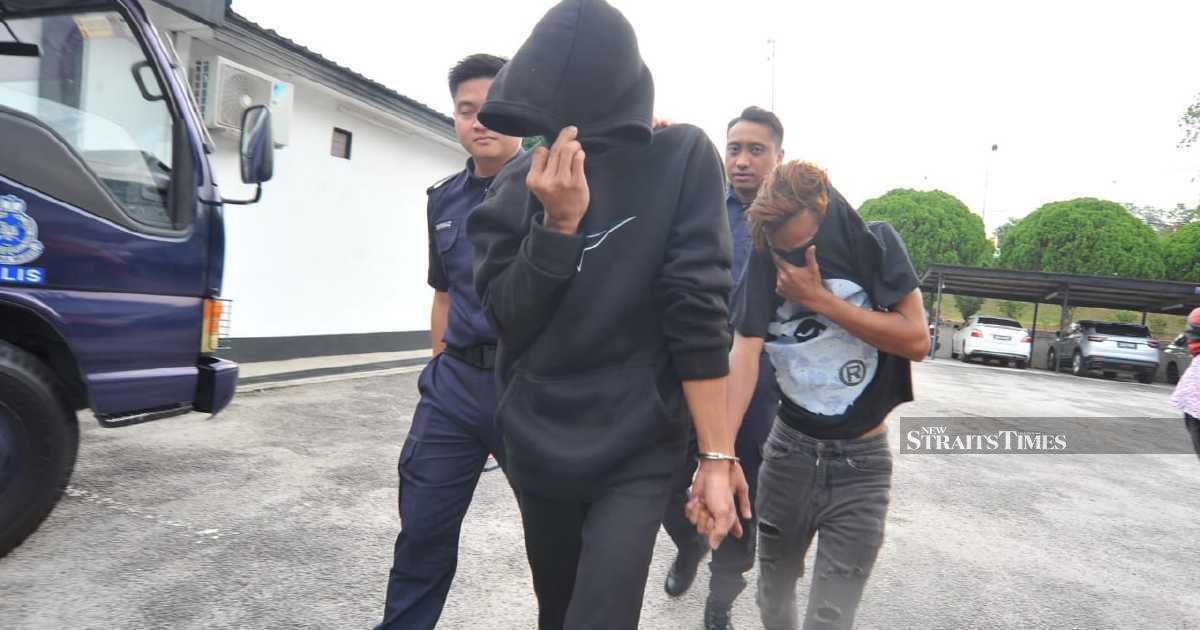
Two mechanics appeared before the Kulai magistrate's court to face charges stemming from what authorities allege was an unlawful racing incident on the Johor Second Link expressway. The case marks another enforcement action against illegal street racing, an ongoing concern for traffic authorities across Malaysia's expressway network. One of the accused is a man with a disability, raising questions about vehicle modification standards and road safety protocols that affect drivers with physical limitations.
The alleged incident occurred last Saturday on the Second Link, the major toll expressway connecting Johor Bahru to Singapore. The authorities have characterised the conduct as reckless and dangerous driving, suggesting that both vehicles were being operated in a manner that posed immediate risks to other road users. The specifics of how the race unfolded, including the speeds involved and whether other vehicles were endangered, remain part of the court proceedings.
Street racing and unauthorised high-speed driving competitions have become a persistent law enforcement challenge in Malaysia. The Second Link, a critical transport artery handling substantial daily traffic volumes, is particularly vulnerable to such incidents. These expressways carry commercial vehicles, commuters, and families travelling between states and across the Singapore border, making them unsuitable venues for dangerous driving. The involvement of professional mechanics in this case is noteworthy, as individuals with automotive expertise might be expected to understand vehicle safety principles more thoroughly than average drivers.
The case of the disabled mechanic adds a layer of complexity to the proceedings. Individuals with disabilities who work in technical fields often demonstrate considerable skill and independence. However, this incident raises broader questions about whether vehicles are properly modified and maintained when operated by drivers with physical limitations, and whether such modifications comply with safety standards. Authorities must balance employment rights and inclusion with road safety imperatives, ensuring that accommodations do not compromise vehicle integrity or other road users' security.
Malaysia's approach to traffic enforcement on expressways has intensified in recent years, with increased deployment of traffic units and deployment of speed cameras. The Johor Second Link, connecting to Singapore's Straits and serving high-volume cross-border traffic, faces particular scrutiny from enforcement agencies. When illegal racing occurs on such roads, it endangers not only the participants but also hundreds of innocent commuters who use the expressway daily for legitimate purposes.
The charges of reckless and dangerous driving carry significant legal weight. Under Malaysian traffic law, such offences can result in substantial fines, driving bans, and potential custodial sentences depending on the severity and circumstances. These penalties reflect the seriousness with which authorities treat endangering public safety. The court proceedings will examine evidence including witness statements, traffic camera footage, and vehicle examination reports to establish the facts surrounding the alleged race.
The incident reflects broader patterns of vehicle-related offences in the region. Street racing culture, while attracting enthusiasts who argue they are exercising skill and passion, poses genuine risks to innocent parties. The expressway environment particularly amplifies these dangers; at high speeds with heavy traffic volumes and multiple entry and exit points, any dangerous driving creates hazardous cascading effects that can cause accidents affecting numerous vehicles.
For the mechanics involved, the consequences extend beyond potential legal penalties. Professional reputation, employment prospects, and insurance considerations all come into play. If convicted, particularly on dangerous driving charges, their ability to continue automotive work may be compromised, and insurance costs would increase substantially. These personal consequences underscore the distinction between controlled competitive driving in sanctioned venues and illegal racing on public expressways.
Malaysian authorities have emphasised road safety as a priority, particularly on expressways where speeds are higher and accident consequences more severe. The Second Link specifically has seen various enforcement campaigns targeting speeding, dangerous lane changes, and inadequate vehicle maintenance. Regular prosecutions are necessary to establish deterrence; drivers must understand that such behaviour will face legal consequences. Public awareness about the dangers of street racing remains an important complement to enforcement actions.
The broader context involves Singapore's proximity and cross-border traffic patterns. The expressway serves thousands of daily commuters and commercial vehicles, many of whom are unfamiliar with Malaysian road conditions or regulatory standards. When local drivers engage in dangerous activities on these routes, it contributes to a perception of safety concerns that affects cross-border traffic flows and regional commerce. Authorities recognising this context often take particular interest in high-profile safety violations on strategic routes.
The magistrate's court in Kulai will determine the guilt or innocence of both accused and, if convicted, impose appropriate sentences. The outcome will be watched closely by traffic enforcement agencies and automotive communities alike. Cases involving professional mechanics particularly attract attention, as they raise expectations about expertise and safety awareness among those whose profession centres on vehicle operation and maintenance.
The investigation and charging of these two individuals demonstrates that Malaysian authorities are actively addressing dangerous driving behaviours on critical expressway infrastructure. Regardless of the defendants' personal circumstances or professional backgrounds, the legal system will apply established traffic safety standards uniformly. For the motoring public, such enforcement actions reinforce the fundamental principle that expressways are shared spaces requiring responsible, lawful conduct from all users.

