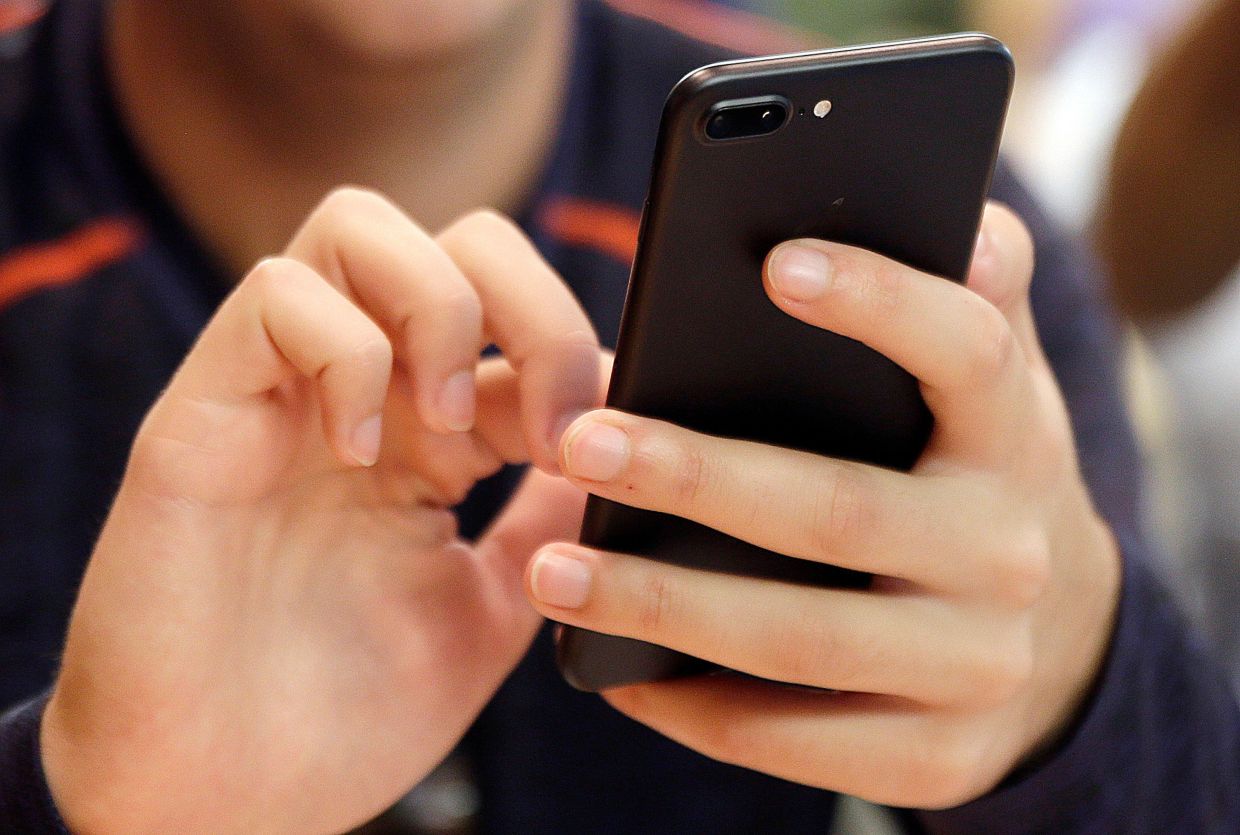
Millions of Malaysians experience soreness, stiffness and clicking sensations in their thumbs and hands from intensive smartphone use, a phenomenon that encompasses far more than simple discomfort. The condition, broadly termed texting thumb, reflects a constellation of pain points arising from overworked tendons and inflamed joints. When ignored, the damage compounds: repetitive texting, scrolling and swiping can progress into debilitating conditions such as carpal tunnel syndrome and premature arthritis, conditions that are becoming increasingly common among working-age adults across Southeast Asia.
The evolution of mobile technology has fundamentally altered how this injury manifests. During the BlackBerry era, pain was concentrated in the thumbs of those who typed furiously on small keyboards. Modern smartphones, however, have become larger and substantially heavier, while simultaneously expanding far beyond their original communication purpose. Today's users spend hours doomscrolling through social media feeds, managing financial transactions, streaming entertainment and engaging with work applications – activities that demand sustained, awkward positioning of the hand and wrist. This shift has distributed strain across multiple points in the hand rather than concentrating it in a single location.
Dr Maureen O'Shaughnessy, a specialist at the University of Kentucky HealthCare Hand Center, frames the challenge pragmatically for the modern era. Rather than advocating for wholesale abandonment of devices – an unrealistic prescription in 2024 – medical professionals now focus on adaptation strategies that allow devices to coexist with hand health. The goal is not elimination but intelligent integration into daily routines, particularly relevant for Malaysia's digital-forward workforce and younger demographics who have never known life without smartphones.
Physical positioning during phone use creates cumulative damage that often goes unnoticed until a break in routine occurs. When the wrist and elbow remain locked in identical positions for extended periods, soreness develops at vulnerable points including the thumb base and wrist joint. Similarly, holding phones upright continuously fatigues the fingers supporting the device's weight. Interestingly, many people only recognise the extent of phone-related pain during vacations or reduced-use periods, when the absence of strain dramatically alleviates previously normalised aches and irritation.
The most direct intervention remains the most challenging: reducing screen time or introducing deliberate breaks between scrolling sessions. For those struggling with device dependence – an increasingly recognised issue in Malaysia's always-connected culture – a practical alternative involves varying hand positions throughout the day. Alternating which hand operates the phone, consciously switching between thumb and index finger for typing, and shifting posture every thirty minutes can meaningfully reduce cumulative strain without requiring complete detoxification from digital connectivity.
Smartphone manufacturers have embedded accessibility features specifically designed to minimise thumb overuse, yet many users remain unaware of these built-in tools. Voice-to-text functionality transfers the mechanical burden from thumbs to the vocal apparatus, while enlarging text size eliminates the need to hold devices uncomfortably close to the eyes. These features were originally conceived for users with disabilities but offer universal ergonomic benefits for anyone experiencing thumb discomfort. Additionally, circular grip accessories that clip to phone backs distribute weight more evenly across the palm and simultaneously function as video stands, reducing the sustained grip strength required during entertainment consumption.
Daily stretching routines provide tangible pain relief and build resilience in stressed tissues. Simple wrist flexes – tilting the palm toward and away from the body while applying gentle counter-pressure with the other hand – address tension throughout the forearm. Individual finger extensions and gentle circular movements of the thumbs enhance flexibility and reduce stiffness. For base-of-thumb pain specifically, placing the hand flat and drawing the thumb away from adjacent fingers while holding for thirty seconds directly stretches the stressed tendon and connective tissue.
When self-care approaches prove insufficient, more serious underlying conditions may require medical intervention. Constant phone use can trigger De Quervain's tenosynovitis, characterised by sharp pain and swelling at the thumb base, or exacerbate existing thumb arthritis in those genetically predisposed. Carpal tunnel syndrome, caused by compression of a major nerve passing through the wrist, produces numbness and tingling extending into the fingers. Trigger thumb, another phone-use-related condition, manifests as a painful catching or locking sensation when bending the affected digit, resulting from tendon inflammation. Persistent aching, numbness or tingling that continues despite screen-time reduction and ice application warrants professional medical evaluation.
Dr Eugene Tsai, a surgeon at Cedars-Sinai Orthopaedics and Sports Medicine, articulates a fundamental reality: human hands simply were not evolved to sustain the repetitive micro-motions and sustained gripping required by all-day smartphone use. This biological mismatch between our anatomy and modern technology demands conscious intervention. Taking brief, intentional pauses to readjust posture and reposition the device represents a straightforward yet often overlooked mechanism for breaking destructive patterns. The strategy is not revolutionary – rather it acknowledges that treating hands with deliberate kindness throughout the day prevents the cascade of injuries that develop from benign-seeming daily habits.
For Malaysia's young professionals, students and digital workers, implementing these strategies offers protection against cumulative hand injuries that could compromise career longevity and quality of life. The smartphone will remain central to work and social existence, but conscious ergonomic practices and regular self-care stretches can transform it from a source of chronic pain into a functional tool. Recognition of thumb pain as an early warning signal, rather than an inevitable consequence of modern life, empowers users to intervene before conditions become serious. Small adjustments today – varied hand positioning, accessibility features, brief stretches, intentional breaks – accumulate into significant long-term protection for the hands that increasingly define our professional and personal lives.

