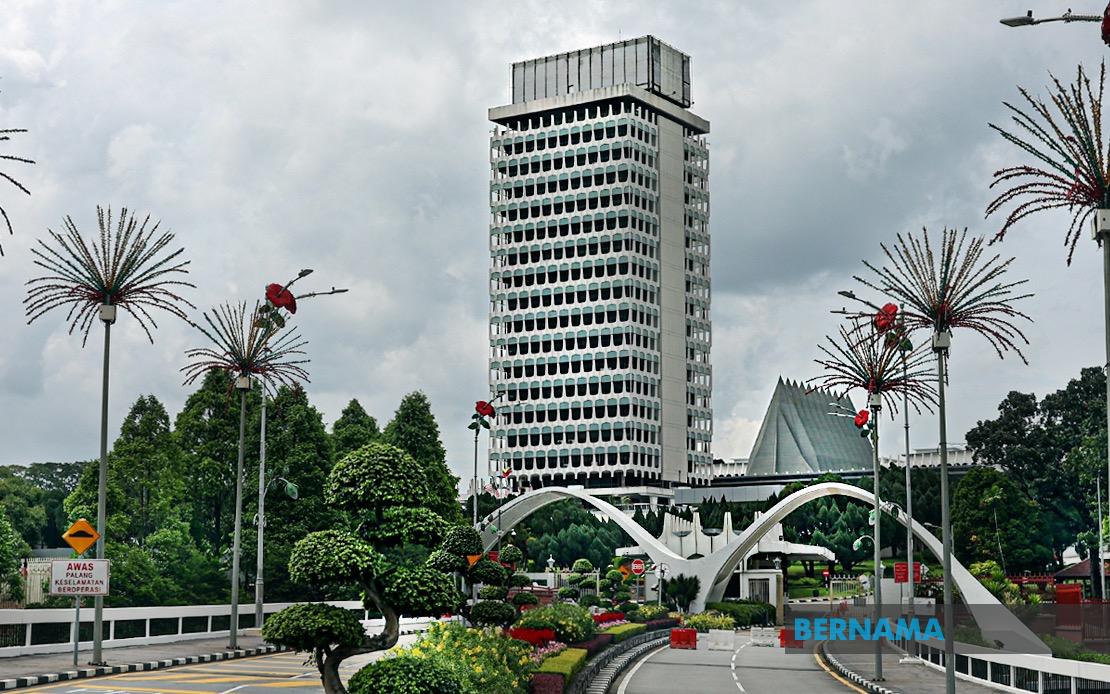
The Dewan Rakyat is set to tackle three pressing governance and economic concerns during parliamentary sittings that begin today, with lawmakers pressing ministers for concrete action on digital regulation, educational security, and emergency relief for struggling businesses. The 16-day session, running until July 16, will see detailed scrutiny of how quickly the government can translate the newly enacted Online Safety Act 2025 into workable rules that protect Malaysians without stifling legitimate online activity—a critical test of whether legislative ambition translates into effective implementation.
The Online Safety Act 2025 represents a significant step in Malaysia's digital governance framework, but its success depends entirely on subsidiary instruments—the detailed regulations and guidelines that flesh out statutory intent. Rodziah Ismail, representing the Pakatan Harapan constituency of Ampang, will press the Communications Minister to disclose the status of ten such instruments under development. These rules will determine how content moderation actually functions, what platforms must disclose about their algorithms, and what penalties apply when operators fail to comply. The regulatory objectives, scope and timeline remain opaque to the public, creating uncertainty for technology companies, civil society groups, and users who need clarity about what conduct violates the law. Without transparent subsidiary rules, even well-intentioned legislation risks becoming a blunt instrument wielded inconsistently.
Parallel concerns about child welfare in educational settings reflect mounting anxiety among Malaysian parents and educators about the adequacy of existing safeguards. Roslan Hashim from Perikatan Nasional's Kulim Bandar Baharu division will demand answers from the Education Minister about systemic approaches to preventing accidents, bullying and other threats within school compounds nationwide. This inquiry goes beyond isolated incidents to probe whether the ministry possesses comprehensive data on safety trends, whether prevention protocols are uniformly enforced across urban and rural schools, and what remedial steps follow documented failures. The question suggests that piecemeal responses to individual tragedies are insufficient—policymakers need evidence-based strategies that address root causes rather than reactive damage control.
The economic distress afflicting Malaysian traders and small enterprises has become impossible to ignore as prolonged tensions in West Asia continue rippling through global supply chains. Datuk Andi Muhammad Suryady Bandy will ask the Finance Minister for immediate measures to assist micro, small and medium enterprises struggling under mounting logistics costs and supply disruptions. This question carries particular weight in a region where hawkers, street vendors and family-run shops form the backbone of neighborhood economies. Rising freight costs, container shortages and unpredictable delivery times disproportionately burden operators who lack the scale to absorb losses or negotiate preferential rates with logistics providers. For Malaysia's broader economic resilience, allowing this segment to collapse represents a cascade failure that reverberates through employment, local consumption and community cohesion.
The Johor Elevated Autonomous Rapid Transit project merits scrutiny as a marquee infrastructure initiative under development. Datuk Seri Dr Wee Ka Siong will seek a comprehensive implementation update from the Transport Minister, reflecting legitimate concerns about project momentum, budget tracking and delivery timelines. Large-scale transportation infrastructure projects frequently encounter delays and cost overruns that erode public confidence in government capability. A transparent status report, complete with identified bottlenecks and remedial strategies, would demonstrate professional management and help stakeholders understand realistic completion horizons.
Social media age restrictions present novel governance challenges that demand careful analysis of cybersecurity implications alongside child protection benefits. Riduan Rubin, representing Tenom as an Independent member, will ask the Home Affairs Minister to assess what national cybersecurity risks might emerge if a minimum age requirement of 16 for social media use were introduced. This question reflects sophisticated thinking about unintended consequences—enforcement mechanisms, identity verification systems, and potential creation of black-market platforms or unsafe workarounds could generate security vulnerabilities that offset benefits. Policymakers must understand the full ecosystem impact before implementing restrictions that may prove counterproductive.
Healthcare sustainability in Sabah requires sustained attention given the state's geographic dispersal, infrastructure constraints and demographic patterns. Datuk Shahelmey Yahya will seek reassurance from the Health Minister that fiscal adjustment policies will not compromise the delivery of public healthcare or the development of essential facilities. In a state where rural populations often face hours-long travel to reach major medical centers, budget constraints that defer facility upgrades or reduce service capacity translate directly into diminished access for vulnerable populations. The question implicitly raises concerns about whether federal budgeting adequately accounts for Sabah's particular healthcare challenges or whether the state bears disproportionate burden when national austerity measures take effect.
The Competition (Amendment) Bill 2026, scheduled for second reading by the Minister of Domestic Trade and Cost of Living, suggests the government remains focused on refining market regulation and consumer protection frameworks. Competitive market dynamics matter enormously for price stability, consumer choice and business innovation—areas that directly affect Malaysian household budgets and entrepreneurial opportunities. Amendment bills typically signal government recognition that existing competition law requires adjustment to address identified gaps or emerging market practices that previous legislation did not anticipate.
Collectively, today's parliamentary agenda reflects acute tensions between competing imperatives: protecting citizens and businesses through appropriate regulation while avoiding overreach that stifles innovation and economic dynamism. The Online Safety Act, school safety measures, business assistance programs and infrastructure projects all require regulatory apparatus and financial commitment. The questions raised suggest Parliament recognizes that passing legislation represents only the beginning—genuine policy success requires meticulous attention to implementation detail, adequate resourcing, sustained monitoring and willingness to adjust course when evidence warrants. How effectively the government addresses these parliamentary concerns will test its administrative capacity and determine whether good intentions translate into tangible improvements in digital safety, educational security, economic resilience and infrastructure delivery.

