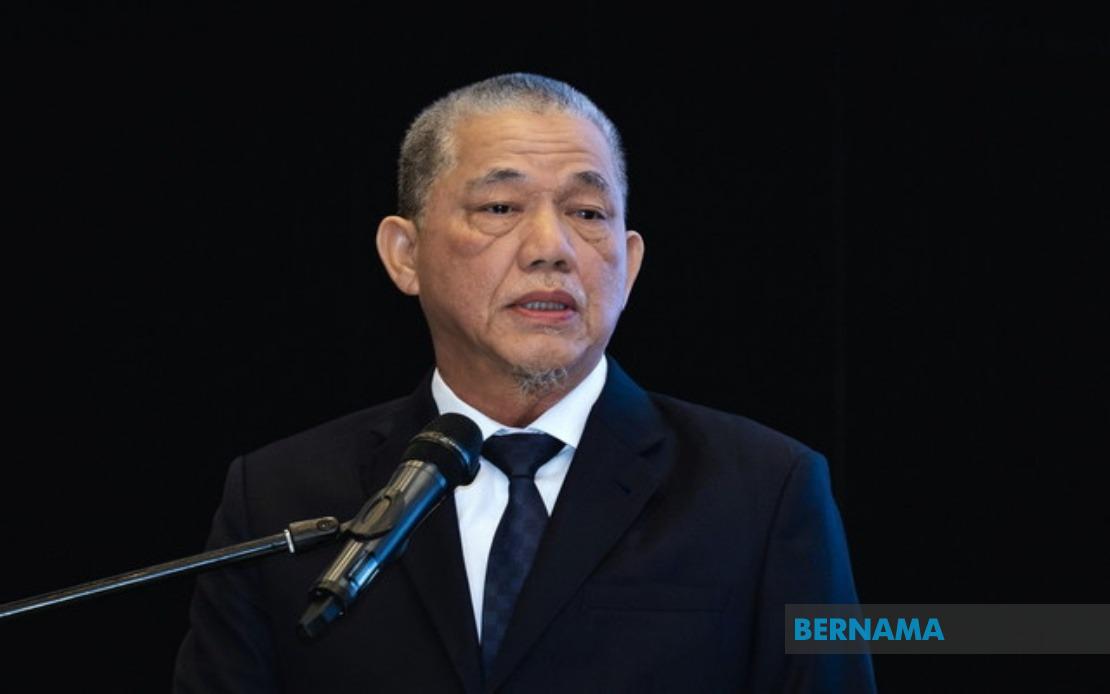
Malaysia's Deputy Prime Minister, Datuk Seri Fadillah Yusof, will undergo coronary artery bypass grafting at the National Heart Institute (IJN) following recommendations from his medical team, according to an announcement made by his press secretary Datuk Misiah Taib on August 3.
The procedure represents a significant moment for Malaysia's political leadership, as Fadillah holds dual responsibilities as both Deputy Prime Minister and Minister of Energy Transition and Water Transformation (PETRA). His temporary absence during recovery will require careful management of ministerial duties at a time when energy policy remains central to the government's agenda in Southeast Asia.
Cardiovascular conditions necessitating bypass surgery typically develop over extended periods, involving the narrowing of coronary arteries that restrict blood flow to the heart muscle. The decision to proceed with surgical intervention, rather than less invasive alternatives, suggests that Fadillah's condition warrants immediate action to prevent potential cardiac complications. The choice of the National Heart Institute, Malaysia's leading cardiac facility, underscores the seriousness with which his medical team has approached the matter.
According to his office, Fadillah remains in a stable condition, a detail that provides some reassurance regarding his overall health status ahead of the procedure. His medical team has advised him to maintain complete rest and avoid receiving visitors during this period, measures designed to minimise stress and allow his body to prepare optimally for surgery. Such precautions are standard practice in pre-operative care, particularly for senior government figures whose schedules are typically demanding and high-pressure.
The family's request for public prayers and support reflects the personal and political significance of Fadillah's health situation within Malaysian society. His recovery trajectory will be closely monitored not only by medical professionals but also by the public and political observers, given his prominence in navigating Malaysia's energy transition and water resource challenges. These portfolios carry substantial weight in policy discussions across the Southeast Asian region, where energy security remains contested terrain.
Fadillah, whose tenure has encompassed navigating complex energy policy decisions and water management issues affecting millions of Malaysians, has built a political career characterised by involvement in critical infrastructure matters. His temporary incapacity for official duties will necessitate delegation and coordination among ministerial colleagues and civil service leadership. The smooth transition of responsibilities during his recovery period will test the institutional resilience of Malaysia's government machinery.
Bypass surgery, while routinely performed at modern cardiac centres like IJN, remains a significant surgical undertaking that typically requires hospitalisation of several days followed by weeks of supervised recovery. The timeline for Fadillah's return to full ministerial responsibilities remains uncertain at this stage, though his office has emphasised expectations of complete recovery and resumption of duties. Such optimistic framing is common in official statements surrounding senior leaders' health matters, intended to maintain confidence in governance continuity.
The timing of this announcement comes amid ongoing deliberations on Malaysia's energy landscape, where policy decisions under Fadillah's purview directly influence regional markets and international energy partnerships. His ministry's focus on transitioning toward renewable energy sources while managing water resources has positioned Malaysia as a participant in broader Southeast Asian sustainability discussions. Any prolonged absence from policy-making forums could affect the momentum of ongoing initiatives.
National Heart Institute, established to serve as Malaysia's premier cardiac healthcare provider, has developed considerable expertise in treating coronary artery disease through surgical and interventional means. The facility's selection reflects confidence in its capabilities among Malaysia's medical and political leadership. IJN's track record in managing high-profile patients and delivering successful cardiac outcomes has made it the institutional choice for senior government figures requiring specialist cardiac care.
Public expressions of support from citizens and political colleagues are expected to accompany Fadillah's recovery period. Such gestures, while partly ceremonial, also reflect genuine concern within Malaysian society for the wellbeing of senior leaders responsible for national governance. The broader implications of his temporary absence extend to parliamentary proceedings and government coordination, areas where the Deputy Prime Minister typically plays a coordinating role.
Fadillah's surgery and recovery process will unfold against the backdrop of Malaysia's broader health system capabilities and international standing in medical care. His experience at a leading cardiac institute will serve as a public demonstration of Malaysian healthcare quality, potentially influencing perceptions of the nation's medical infrastructure among both domestic audiences and international observers.
The family's appreciation for public concern and prayers, as conveyed through official channels, acknowledges the intersection of personal health matters with public interest in senior leadership. This balance between privacy and public accountability characterises how Malaysia's political establishment manages health-related announcements affecting key government figures, ensuring both transparency and respect for personal dignity during vulnerable periods.

