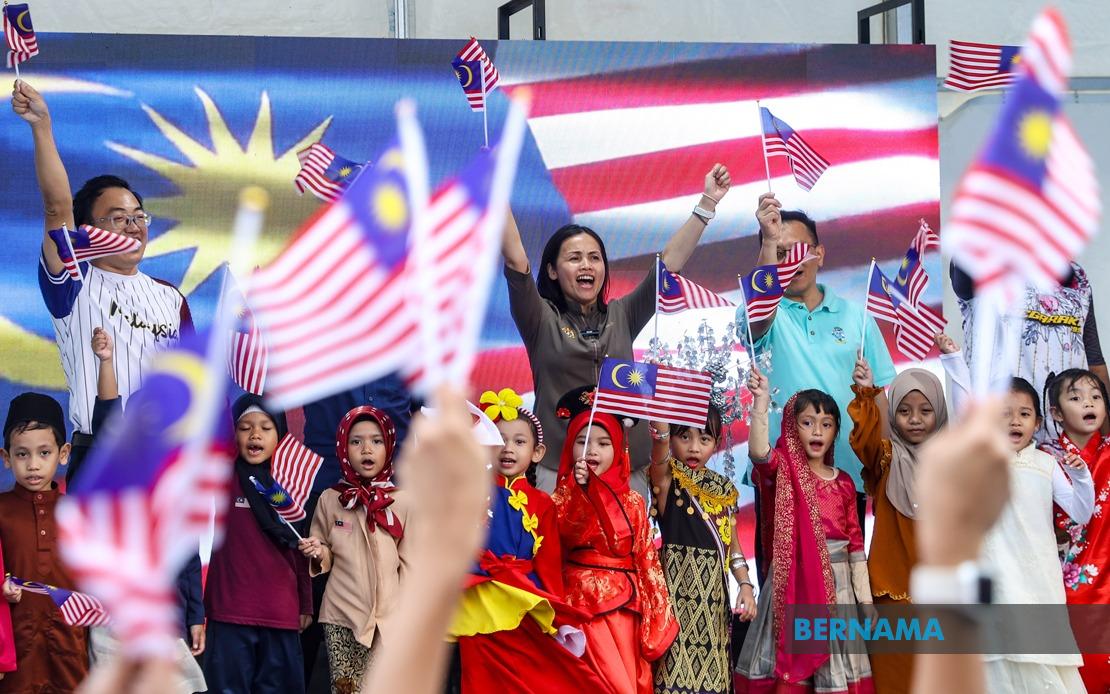
Deputy Communications Minister Teo Nie Ching has firmly rejected a wave of social media allegations attempting to link her to gang-related activities and a road accident currently under police scrutiny. Speaking at the Safe Internet Campaign Community Carnival in Kulai on August 28, the DAP national vice-chairman characterised the accusations as wholly false and designed to damage her reputation through coordinated digital campaigns.
The allegations, which proliferated across multiple newly created social media accounts, represent what Teo described as a calculated effort to exploit the interconnected nature of digital platforms. She highlighted that the strategy appeared deliberate, with accounts seemingly established solely for the purpose of making unfounded claims against her. This tactic illustrates how modern political opposition can weaponise social media infrastructure, creating throwaway digital identities to amplify accusations while maintaining a veneer of anonymity that complicates accountability.
Drawing on her extensive political career, Teo stressed that her 18 years in politics and 13 years of service as a Member of Parliament have naturally resulted in countless social interactions and public engagements. She pointed out that photographs taken during ordinary social settings or chance encounters had been selectively repackaged and recontextualised to suggest inappropriate associations. This distinction between innocent socialisation and alleged criminal involvement underscores a broader challenge facing public figures in the digital age: the vulnerability of documented social moments to reinterpretation and weaponisation.
The Johor DAP chairman welcomed the police investigation into the underlying matters, noting that authorities had already detained 13 suspects and conducted a public briefing on their findings. This intervention by law enforcement provides an institutional counterweight to unverified allegations circulating online. The Johor police chief's involvement signals official recognition that the matter extends beyond social media gossip into territory requiring formal investigation, though it remains unclear whether Teo herself is the focus of criminal inquiry or simply mentioned in connection with wider investigations.
Recognising the systemic challenge posed by misinformation, Teo has taken protective measures by lodging formal complaints with both the Malaysian Communications and Multimedia Commission and the police. However, she candidly acknowledged the limitations of these institutional responses. She noted that the actual power to remove or suppress false content ultimately rests with Meta, the parent company of Facebook and Instagram, rather than with Malaysian authorities. This asymmetry of power—where platforms headquartered abroad exercise decisive control over the information environment within Malaysia—presents a structural vulnerability that regulation struggles to address.
Teo's emphasis on media literacy and rational public engagement reflects a pragmatic response to the viral nature of online accusations. She urged citizens to resist the impulse to share unverified claims and instead adopt a more discerning approach to information consumption. This appeal targets the psychological and social mechanisms that enable misinformation to spread: the speed of emotional reaction, the appeal of scandal, and the network effects that amplify sensational content regardless of its accuracy. In contexts where digital literacy remains unevenly distributed across demographics, such individual appeals must work alongside systemic safeguards.
The situation gained institutional attention when Senai assemblyman Wong Bor Yang filed a police report at Kulai District Police Headquarters specifically addressing the defamatory posts. This action elevated the matter from an individual complaint to a formal intervention by elected representatives, suggesting that colleagues within the DAP political ecosystem view the allegations as sufficiently serious and coordinated to warrant official redress. The decision to file through police channels rather than pursue civil defamation suits reflects both the difficulty of establishing damages in online environments and the preference for criminal pathways when misinformation touches on organised crime allegations.
The case illustrates the particular vulnerability of female politicians to coordinated online harassment campaigns. Research across multiple democracies demonstrates that women in public office face disproportionate volumes of personal attacks, defamatory claims, and character assassination attempts compared to male counterparts. Allegations involving criminality, gang associations, or impropriety appear calibrated to generate maximum reputational damage while remaining difficult to immediately disprove through conventional channels. The gendered dimension of this campaign, while not explicitly discussed by Teo, forms part of the broader context in which such allegations gain traction.
From a Malaysian political perspective, the incident reflects ongoing tensions surrounding the role of social media in democratic discourse. As constituencies become more digitally connected and political mobilisation increasingly occurs through WhatsApp groups, Facebook pages, and TikTok networks, the capacity of platforms to shape electoral narratives and public perception of political figures has grown exponentially. Teo's experience demonstrates both the vulnerability of public figures to coordinated disinformation and the limitations of institutional responses when private corporations control the technical infrastructure of public communication.
The incident also intersects with broader concerns about cybersecurity and election integrity in Malaysia and the Southeast Asian region. As political parties and candidates become more sophisticated in their digital campaigns, so too do actors willing to deploy disinformation as a tactical weapon. The distinction between legitimate political criticism and fabricated accusations designed to exploit social media algorithms for maximum viral impact remains contested terrain, particularly when authorities struggle to rapidly distinguish between the two.
Moving forward, Teo's appeal for public vigilance suggests that addressing the misinformation challenge requires not only institutional measures and platform accountability but also cultivation of critical media consumption habits among Malaysian citizens. The role of community leaders, educators, and civil society organisations in promoting digital literacy becomes increasingly central to protecting democratic integrity and individual reputation in an environment where allegations can propagate globally within hours and persist indefinitely through screenshots and shares.

